
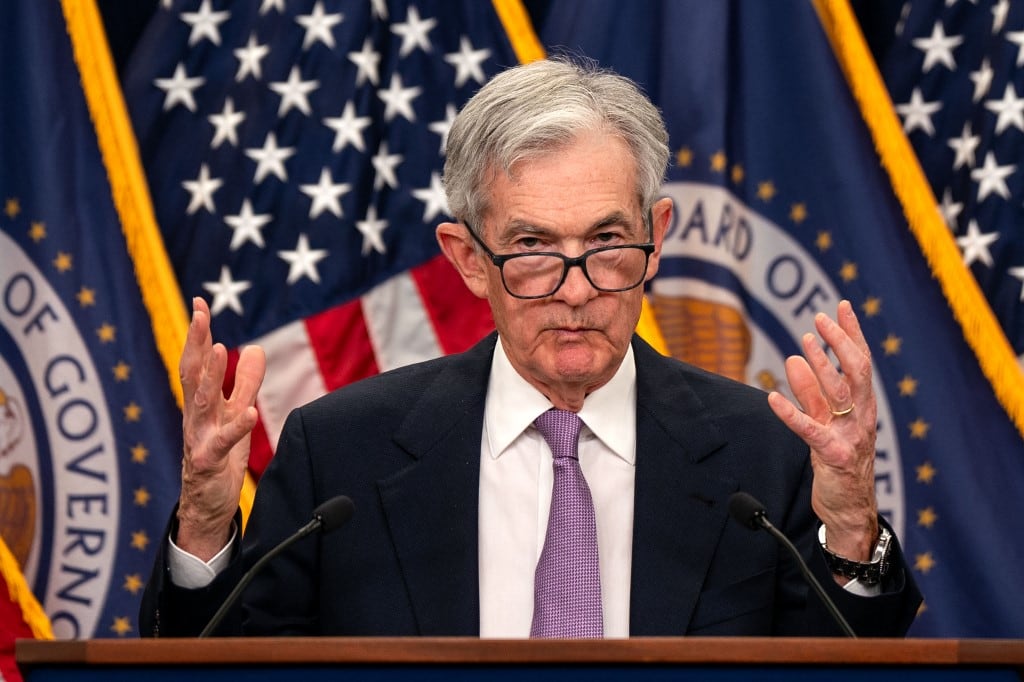
The conflict engulfing Iran and the broader Middle East is no longer just a security crisis — it is rapidly becoming the defining economic variable of 2026. This week, U.S. Federal Reserve Chair Jerome Powell acknowledged that the magnitude and duration of the Iran conflict will be the key indicators of how energy market fluctuations ultimately affect overall inflation. The Fed opted to keep interest rates unchanged, with Powell noting that the oil crisis “has not yet affected the Fed’s decision-making” but cautioning that its full economic impact “takes time.”
Half a world away, New Zealand underscored just how fast the conflict is outpacing economic data. The country posted 0.2% GDP growth in its latest figures — but as Stuff reported, the data is already “very outdated,” having been compiled before the economic fallout from the Middle East conflict and the subsequent rise in oil prices. The war, it seems, is casting “a huge shadow over the economy.”
The geopolitical picture grew darker still. In Iraq, the pro-Iran paramilitary group Kata’ib Hezbollah conditioned any suspension of attacks on the U.S. Embassy on an end to Israeli bombardment of Lebanon — a development reported alongside the striking detail that Iran’s Supreme Leader Ali Khamenei was killed in a joint U.S.-Israeli airstrike. Meanwhile, Cuba’s leader Miguel Díaz-Canel warned that any U.S. aggression would meet “impregnable resistance,” as the Trump administration reportedly pushes for his departure while negotiating with Havana.
The conflict’s reach extends even to electoral logistics: Peru announced it will not hold its 2026 elections in Israel, Saudi Arabia, or Gulf states due to ongoing hostilities — a small but telling indicator of how deeply the war is disrupting ordinary governance worldwide.