
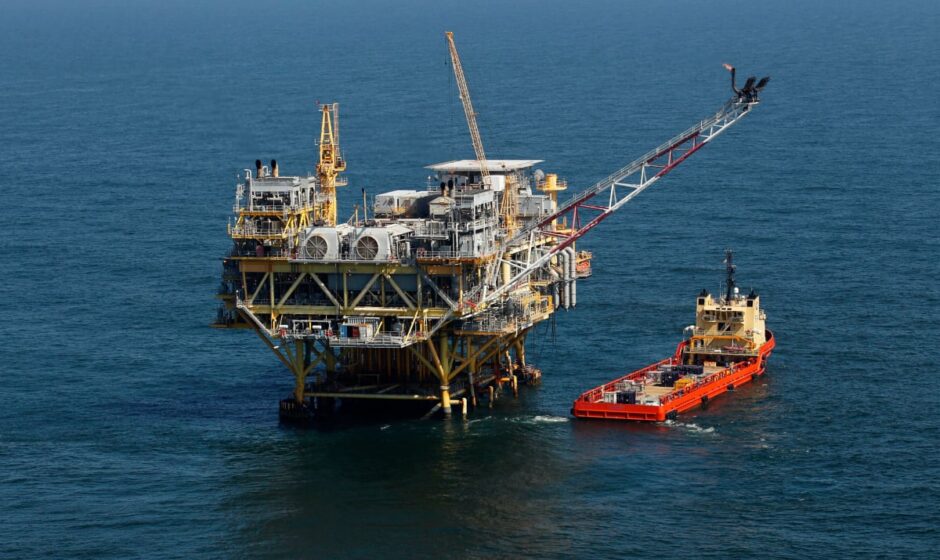
In a development with potentially sweeping consequences for global energy prices, the United Arab Emirates has announced its departure from OPEC and the broader OPEC+ alliance. Greek outlet Ethnos describes the move as a significant “victory” for Trump, who has long pressured oil-producing nations to increase supply and lower prices.
The UAE’s exit raises the central question: what happens to oil prices now? The Emirates is one of the world’s largest crude producers with significant spare capacity. Its departure from a cartel designed to coordinate production limits could unleash additional supply onto world markets — or, conversely, could destabilize the fragile balance that OPEC has spent years trying to maintain.