
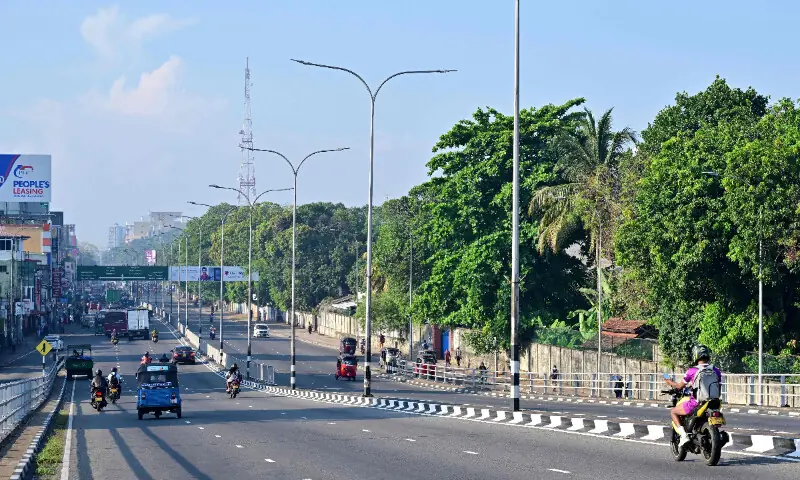
On Wednesday, millions of Sri Lankans found themselves with an unexpected midweek holiday — not for celebration, but out of necessity. The island nation has shifted most state institutions, schools, and universities to a four-day working week in a desperate bid to curb energy consumption.
Rail and bus stations sat largely deserted. Banks operated on shortened hours. Private firms scrambled to implement work-from-home arrangements, with industry bodies urging members to slash energy use wherever possible.
“I am really enjoying the mid-week break because it is a fully paid holiday,” said Prarthana Perera, a 40-year-old housing ministry official, though the cheerful tone belies the gravity of the situation.
The cause: the Middle East war has sent global fuel prices spiraling. Sri Lanka has already raised fuel prices by a third since the United States and Israel escalated their military campaign in the region. For a country still scarred by its devastating 2022 economic collapse — triggered in part by fuel shortages — the current crisis carries an eerie sense of déjà vu.
