
Perhaps the most quietly devastating dimension of the US-Iran war is its cascading impact on ordinary people thousands of miles from any battlefield.
In India’s Punjab state, 52-year-old farmer Gurvinder Singh told The Guardian that anxiety over the conflict is “crippling.” Fertilizer shortages driven by disrupted supply chains have left farmers across India and Sri Lanka panicking about the coming rice season. Despite government assurances that stockpiles are sufficient, farmers on the ground are not convinced. “India is going to face a food crisis,” the report warns — a scenario with potentially catastrophic consequences for the world’s most populous nation.
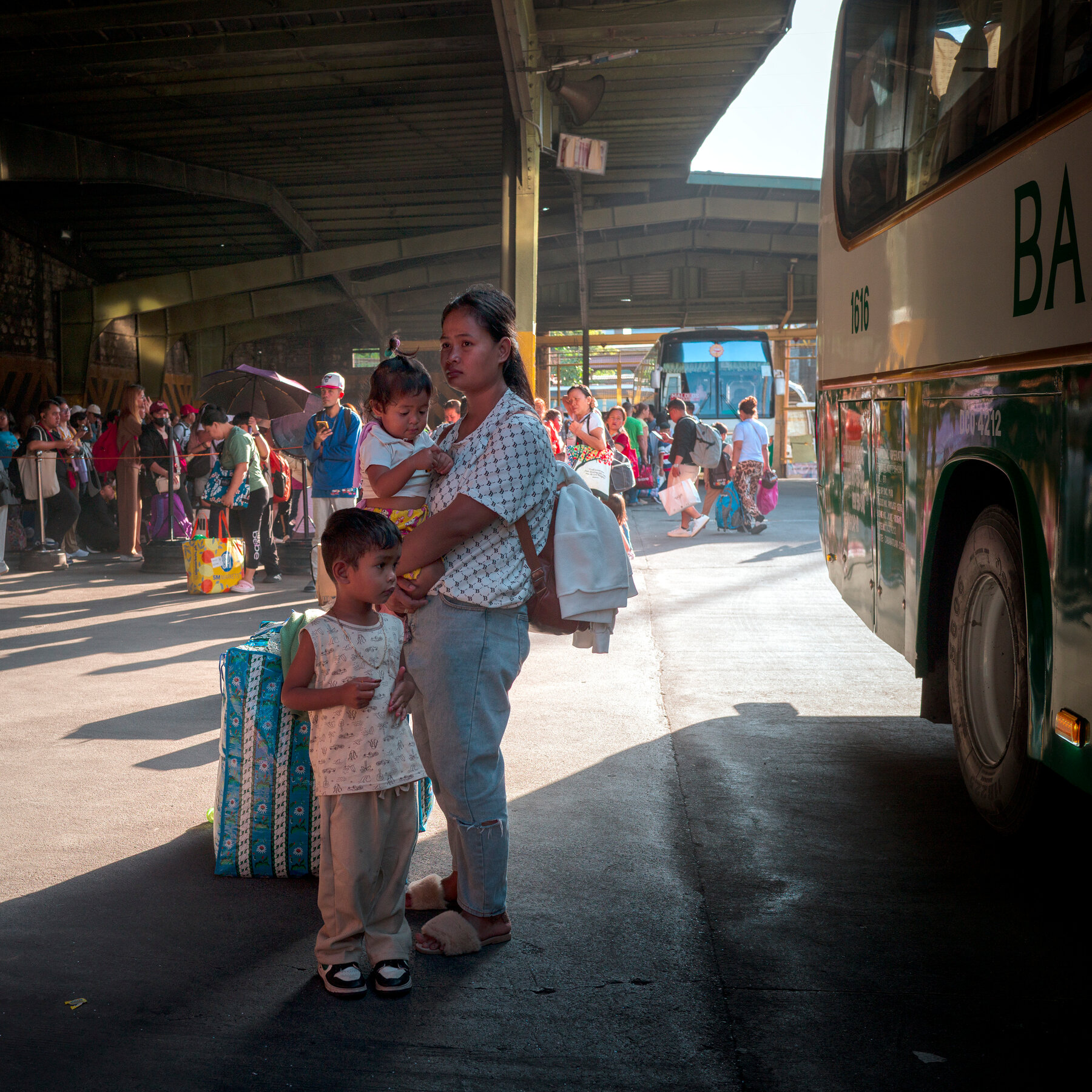
In the Philippines, soaring fuel prices — a direct consequence of the war’s disruption of Middle Eastern oil supplies — forced many Filipinos to cancel their traditional Holy Week journeys to provincial hometowns. Long lines at bus terminals in Quezon City told the story of a country where even a religious holiday cannot escape the economics of conflict.