Executive Summary
The US-Israeli military campaign against Iran intensified as Israel announced it killed the commander of Iran’s Revolutionary Guard Navy, the officer responsible for the Strait of Hormuz — a chokepoint for global oil. President Trump escalated rhetoric against NATO allies for inaction, while BlackRock’s CEO warned of a global recession if the conflict persists. Russia launched one of its most massive aerial attacks on Ukraine since the war began, striking Lviv with nearly 1,000 aircraft. The EU moved forward on a trade deal with the US as Europe grapples with divergent positions on the Iran conflict and its economic fallout.
Top Stories
Israel Claims Killing of Iran’s Revolutionary Guard Navy Commander
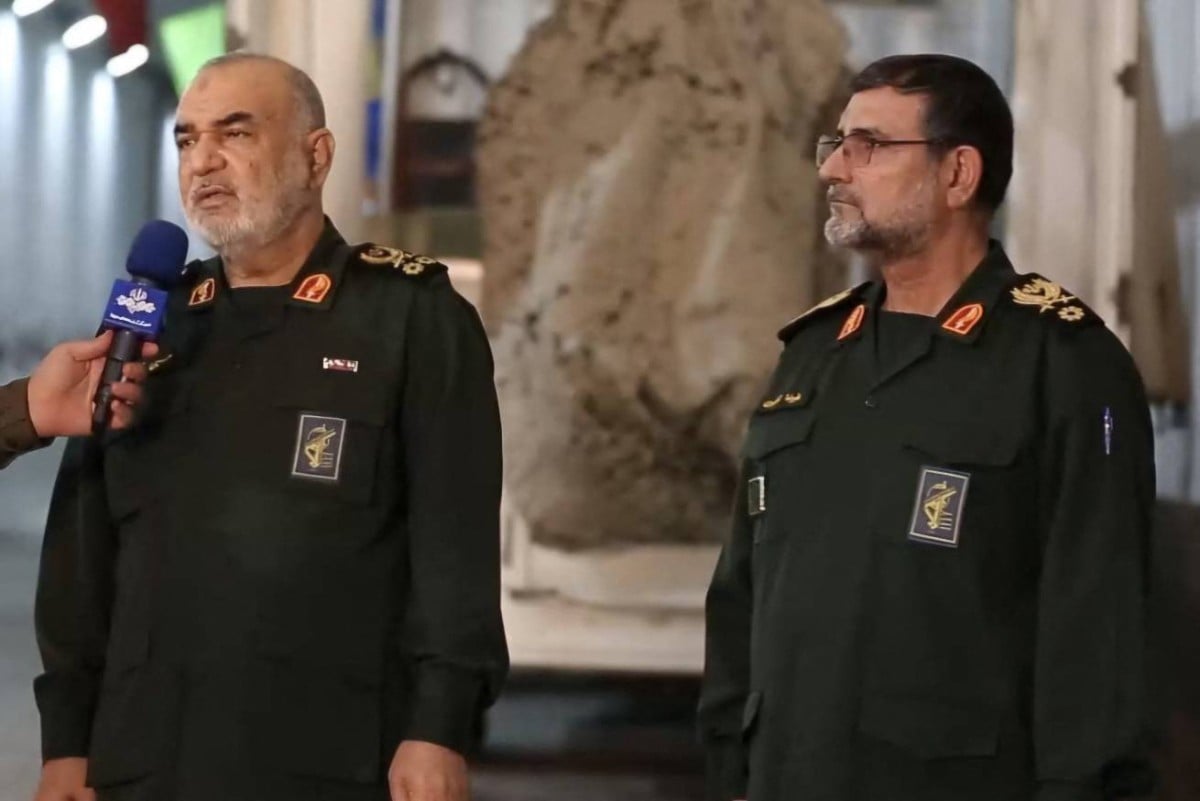 |
Sources: Carta Capital, El País, The Hindu, Ethnos, Tanea Summary: Israel’s defence minister announced that an overnight airstrike killed Alireza Tangsiri, the Iranian Revolutionary Guard’s naval commander who oversaw Iran’s control of the Strait of Hormuz. Meanwhile, Iran’s parliament is advancing a bill to impose transit fees on ships passing through the strait, formalising Tehran’s grip on the waterway through which roughly a fifth of global oil flows. Iran’s Foreign Minister Abbas Araghchi rejected diplomatic efforts to wind down the conflict. Why It Matters: The targeted killing of the Hormuz commander signals a direct escalation aimed at Iran’s ability to disrupt global energy flows. Combined with Tehran’s legislative moves and Washington’s reported build-up of ground-capable forces in the region, the path toward a broader confrontation is narrowing. |

Trump Lashes Out at NATO Over Iran Campaign
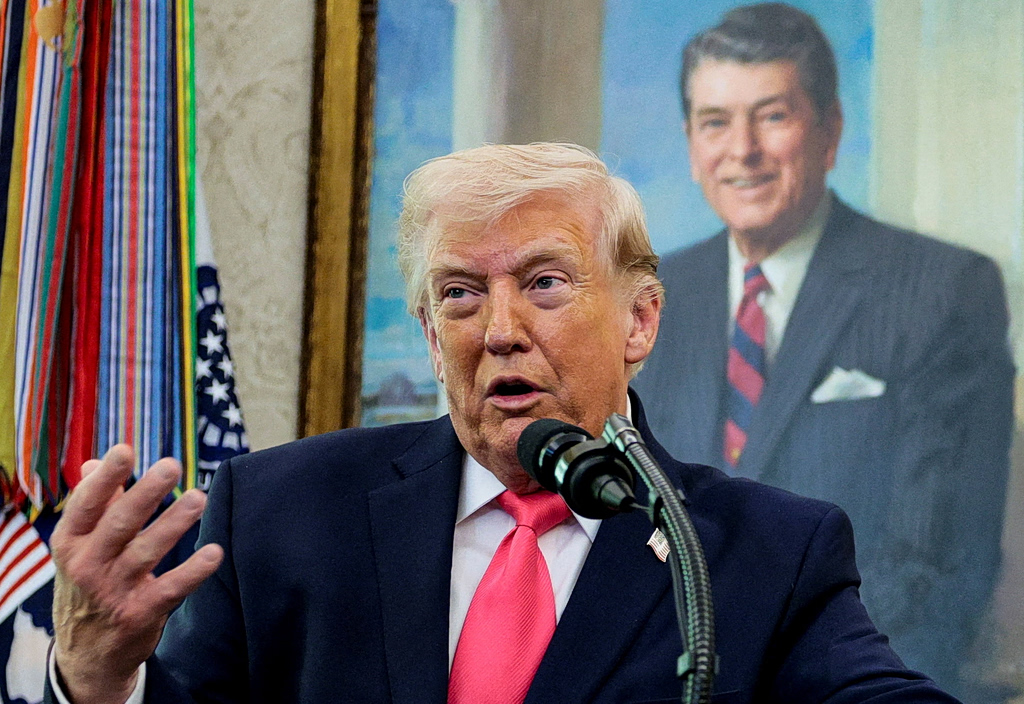 |
Sources: The Guardian, Dagbladet, Tanea, Ethnos Summary: President Trump posted on Truth Social that NATO nations “have done absolutely nothing to help” with the Iran campaign, calling Iran a “lunatic nation” that has been “militarily decimated.” He warned that the US “needs nothing from NATO” but that allies should “never forget” this moment. The tirade comes as Russian President Putin simultaneously attempts to pressure Washington. Why It Matters: Trump’s public NATO bashing during an active Middle East campaign deepens transatlantic strains at a time when European unity is already fracturing over how to respond to the Iran war without jeopardising US support for Ukraine. |

Russia Launches One of Its Most Massive Aerial Attacks on Ukraine
 |
Sources: L’Espresso, Le Monde Summary: Russia deployed nearly 1,000 aircraft — including drones — in one of its largest bombardments since the start of the conflict. A drone struck one of Lviv’s most prominent churches, prompting President Zelensky to accuse Moscow of “absolute depravity.” At least five people were killed across the country, including one in Kherson pulled from the rubble. Separately, the Kremlin confirmed Russian parliamentarians are visiting the US to help “revive” bilateral relations. Why It Matters: The scale of the attack underscores Russia’s undiminished capacity for mass strikes, even as diplomatic overtures to Washington suggest Moscow is seeking leverage in any potential negotiations. |

Iran War Tests European Unity and Global Markets
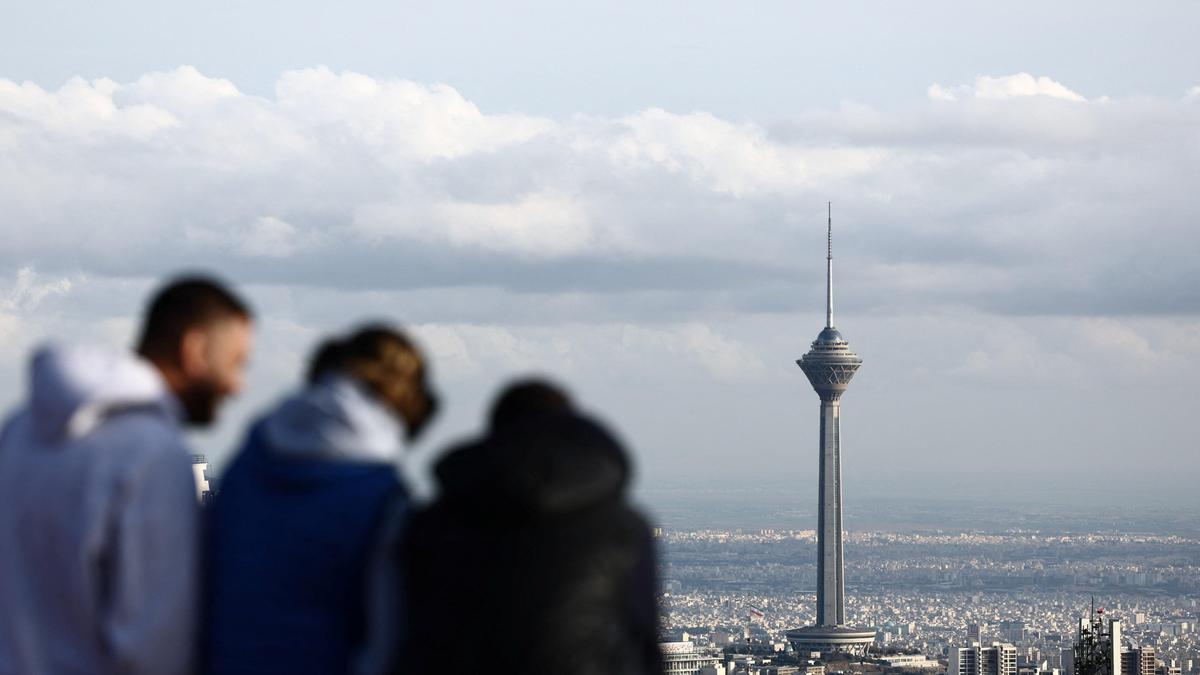 |
Sources: The Hindu, RT, The Guardian Summary: BlackRock CEO Larry Fink warned of a global recession if oil prices remain above $100 per barrel — a reversal from his earlier framing of the conflict as an investment opportunity. In Europe, Germany fears that opposing the US-Israel campaign could prompt Washington to withdraw Ukraine support, while the war’s impact on energy prices deepens Europe’s economic slowdown. The EU nonetheless advanced a trade deal with the US that includes safeguards against Trump’s tariff policies. Why It Matters: The convergence of energy-price inflation, transatlantic trade uncertainty, and security dependence on the US is creating an unprecedented policy dilemma for European governments trying to balance multiple crises simultaneously. |

Pakistan Emerges as Key Mediator in Middle East De-escalation
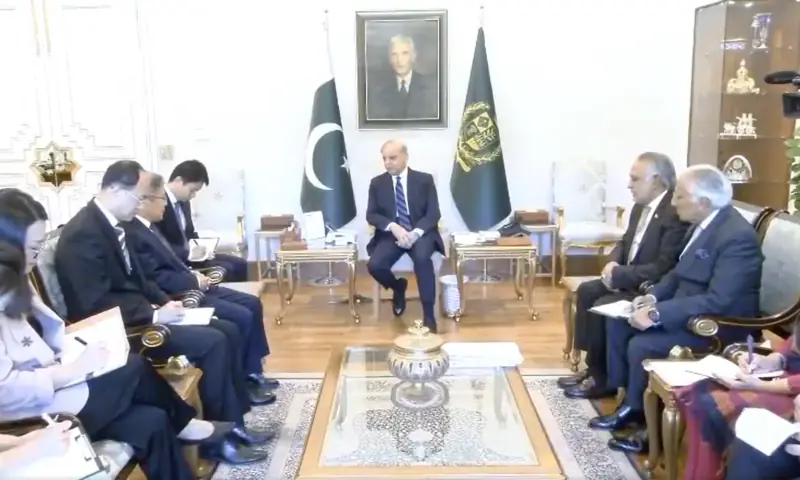 |
Sources: Dawn, The Hindu Summary: PM Shehbaz Sharif highlighted Pakistan’s constructive role in promoting de-escalation during a meeting with China’s ambassador, after Pakistan — alongside Turkey and Egypt — was instrumental in securing a five-day pause of planned US strikes on Iranian energy infrastructure. India’s FM Jaishankar drew cross-border criticism for disparaging Pakistan’s mediation role, calling it unbecoming of a serious diplomatic actor. Why It Matters: Pakistan’s diplomatic positioning as a credible Middle East interlocutor represents a significant shift, and the India-Pakistan diplomatic sparring over it reveals how the Iran conflict is reshaping South Asian geopolitical dynamics. |

Regional Roundup
Americas
- The UN General Assembly adopted a Ghana-led resolution declaring the transatlantic slave trade the “gravest crime against humanity.” The US opposed it, stating it does not recognise a legal right to reparations for historical wrongs. (RT)
Europe
-
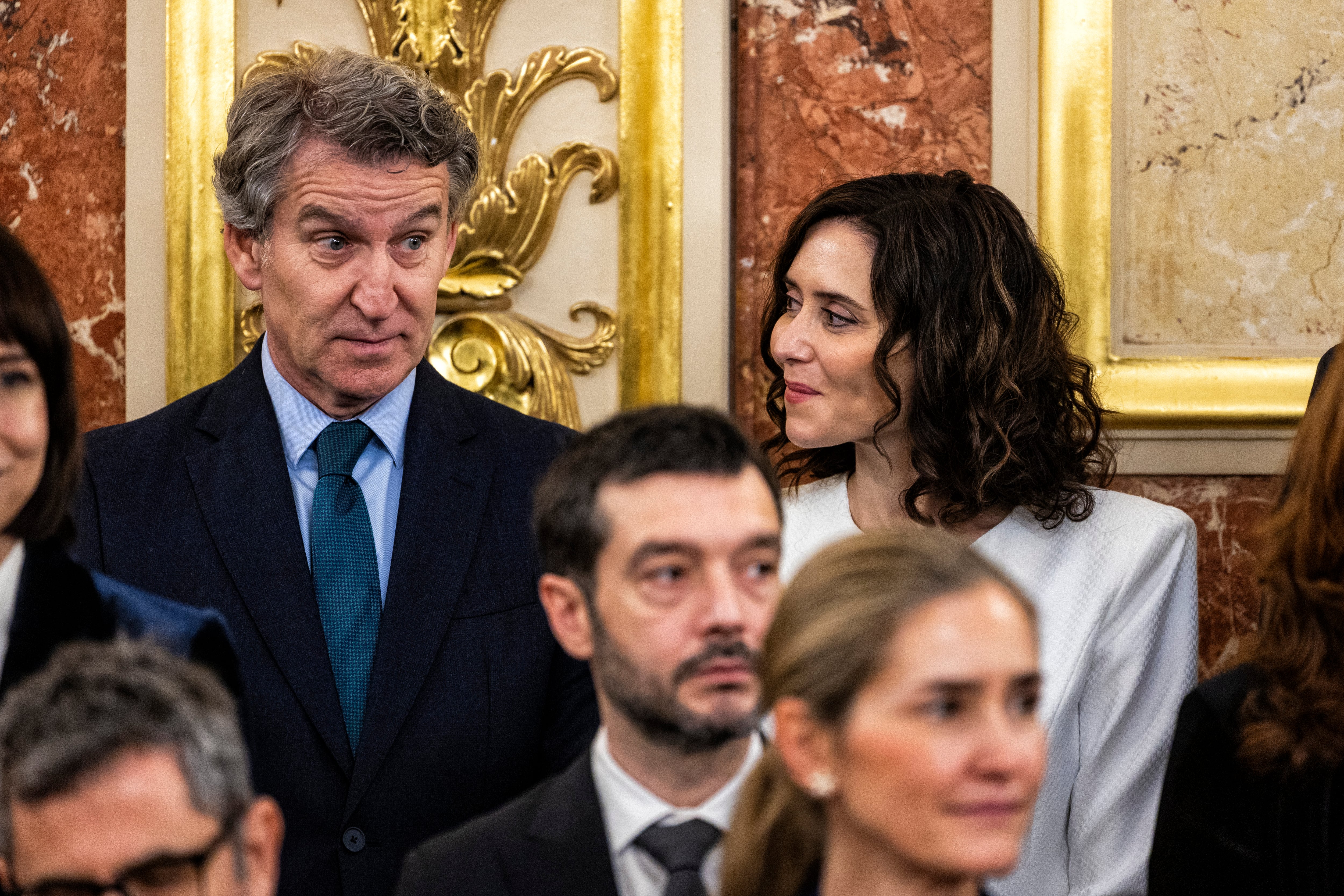
Spain’s PP party backed Madrid regional president Ayuso’s call to suspend the use of digital national ID in electoral processes, raising concerns about e-voting integrity. (El País) - In Greece, diesel prices surpassed unleaded gasoline for the first time, reflecting prolonged global oil-price pressures from the Iran conflict. (Ta Nea)
- A study found only one in eight managing directors of German GmbHs (limited liability companies) is female; the first woman’s name appears at rank 64 in the leadership name ranking. (Der Spiegel)
Middle East & Africa
- Iran’s parliament is working on a bill to impose transit fees on vessels passing through the Strait of Hormuz, formalising Tehran’s leverage over global shipping. (The Hindu)
- Diplomatic efforts by Pakistan, Turkey, and Egypt helped secure a five-day pause in planned US strikes on Iranian energy infrastructure. (Dawn)
Asia-Pacific
-
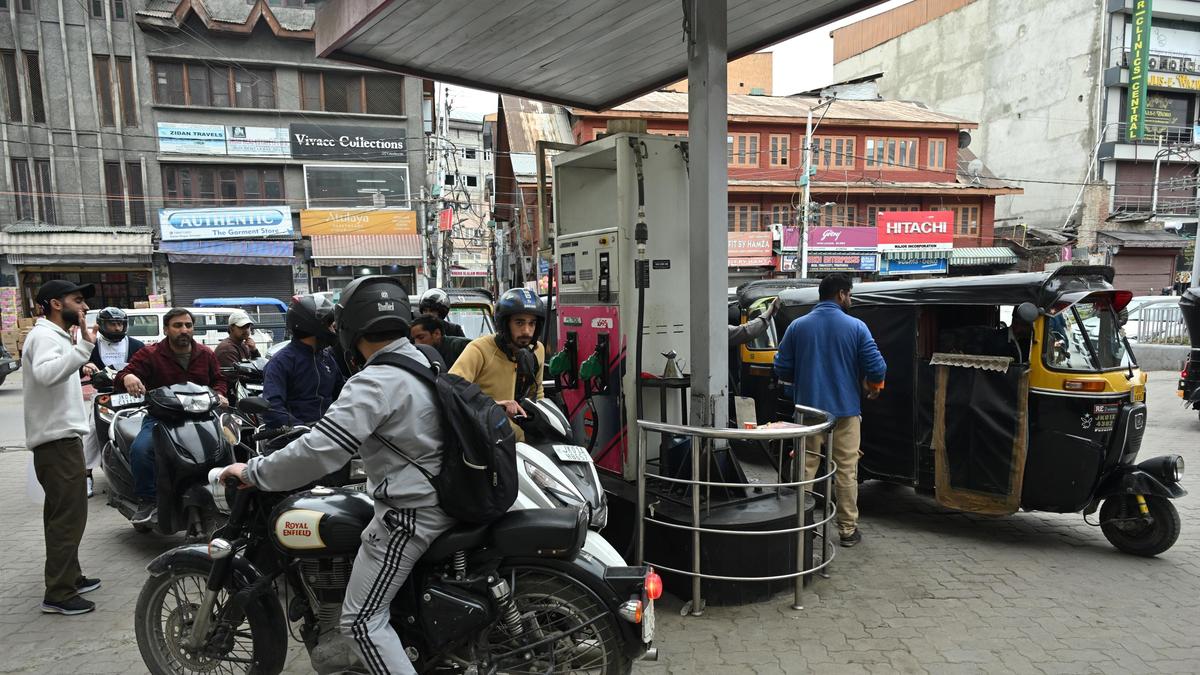
India’s petroleum ministry said the country holds 60 days of fuel stocks and dismissed shortage reports as misinformation; private refiner Nayara Energy nonetheless raised petrol prices by ₹5/litre and diesel by ₹3/litre. (The Hindu) - A bus-truck collision near Markapuram in Andhra Pradesh killed multiple people; PM Modi announced ₹2 lakh ex-gratia to next of kin. (The Hindu)
- Scientists warned that the Nipah virus could escalate beyond a regional epidemic if South and Southeast Asian countries do not strengthen their response. (The Hindu)
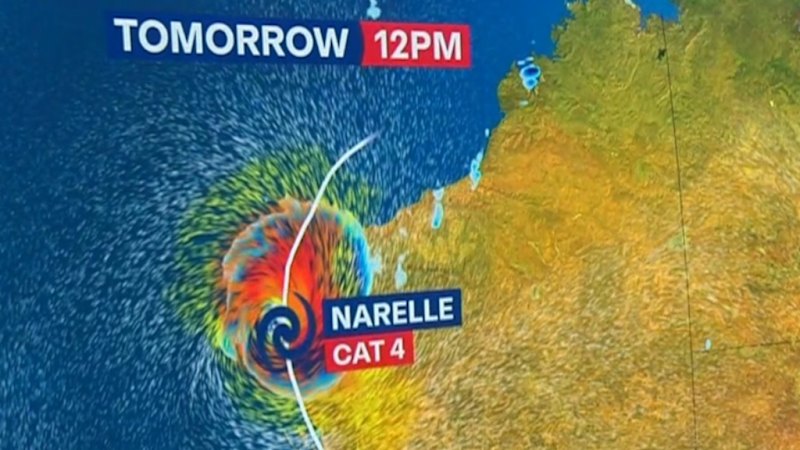
Tropical Cyclone Narelle struck Australia’s west Pilbara coast with wind gusts up to 275 km/h and heavy rain. (SMH, The Age) - In Pakistan, PTI founder Imran Khan’s son raised his father’s detention case at the UN Human Rights Council, prompting a sharp government rebuke. (Dawn)
Transparency & Press Freedom
- Imran Khan’s son Kasim Khan addressed the UN Human Rights Council about his father’s detention, alleging violations of international human rights conventions and GSP+ commitments. Pakistan’s Information Minister called the move “unacceptable,” framing it as an attempt to “disrespect the country’s dignity.” The clash highlights the tension between international transparency mechanisms and government narratives around political imprisonment. (Dawn)
Sources
- https://www.cartacapital.com.br/mundo/israel-afirma-que-matou-o-comandante-da-marinha-da-guarda-revolucionaria-do-ira/
- https://elpais.com/internacional/2026-03-26/ultima-hora-del-ataque-de-estados-unidos-e-israel-contra-iran-en-directo.html
- https://www.thehindu.com/news/international/iran-israel-war-live-updates-west-asia-conflict-march-26-2026/article70786492.ece
- https://www.thehindu.com/news/international/iran-us-harden-their-positions-as-tehran-keeps-its-grip-on-strait-of-hormuz/article70787197.ece
- https://www.theguardian.com/world/live/2026/mar/26/us-eu-trade-tariff-trade-deal-ukraine-iran-rutte-denmark-europe-live-news-updates
- https://www.dagbladet.no/nyheter/langer-ut-mot-nato-igjen/84423060
- https://www.tanea.gr/2026/03/26/world/nea-epithesi-tramp-sto-nato-oi-xores-tou-den-exoun-kanei-apolytos-tipota-gia-na-voithisoun-sto-iran/
- https://lespresso.it/c/mondo/2026/03/26/ucraina-russia-guerra-droni-leopoli-video/60916
- https://www.lemonde.fr/international/live/2026/03/26/en-direct-guerre-en-ukraine-le-kremlin-assure-que-des-parlementaires-russes-sont-en-visite-aux-etats-unis-pour-contribuer-a-raviver-les-relations_6673450_3210.html
- https://www.rt.com/news/636269-blackrock-fink-iran-war/
- https://www.thehindu.com/news/international/iran-war-tests-european-unity-amid-german-economic-slowdown-and-fears-over-ukraine-support/article70784632.ece
- https://www.dawn.com/news/1985496/pm-shehbaz-highlights-pakistans-role-in-middle-east-de-escalation-in-meeting-with-chinese-envoy
- https://www.dawn.com/news/1985523/grapes-are-sour-politicos-journalists-blast-indian-fm-jaishankar-for-crude-remarks-on-pakistan
- https://www.rt.com/africa/636251-un-declares-slave-trade-gravest-crime-humanity/
- https://elpais.com/espana/2026-03-26/el-pp-de-feijoo-secunda-el-discurso-de-ayuso-pidiendo-la-suspension-del-uso-del-dni-digital-en-procesos-electorales.html
- https://www.tanea.gr/2026/03/26/economy/sok-sta-pratiria-to-diesel-kinisis-kseperase-se-timi-tin-amolyvdi-95/
- https://www.spiegel.de/karriere/michael-thomas-und-andreas-machen-geschaefte-a-4ddee76e-27b5-4cb6-9059-e7c2cd80b099#ref=rss
- https://www.thehindu.com/business/Economy/west-asia-conflict-india-petrol-diesel-lpg-crisis-ministry-of-petroleum-and-natural-gas/article70787555.ece
- https://www.thehindu.com/news/national/andhra-pradesh/andhra-pradesh-markapuram-bus-truck-accident-live-updates-march-26-2026-telangana-india-news/article70786642.ece
- https://www.thehindu.com/sci-tech/health/nipah-virus-could-turn-into-something-far-more-severe-scientists-warn/article70787067.ece
- https://www.smh.com.au/national/tropical-cyclone-narelle-lashes-west-pilbara-coast-20260326-p5zj37.html
- https://www.dawn.com/news/1985549/info-minister-assails-pti-says-attempt-at-disrespecting-countrys-dignity-unacceptable
Author