Executive Summary
The United States and Iran have agreed to a fragile two-week ceasefire that will see the Strait of Hormuz reopened, sending global markets soaring and oil prices tumbling below $100 per barrel. However, Israel immediately declared that the truce does not extend to Lebanon, launching fresh air strikes on the country’s south and issuing evacuation orders. Pakistan played a pivotal mediating role, with Islamabad set to host follow-up talks on Friday. Separately, a New York Times investigation reveals how China’s massive natural gas reserves — the world’s largest above ground — have cushioned it from the Middle East energy shock, underscoring Beijing’s strategic foresight.
Top Stories
US-Iran Ceasefire Agreed but Israel Excludes Lebanon, Continues Bombing
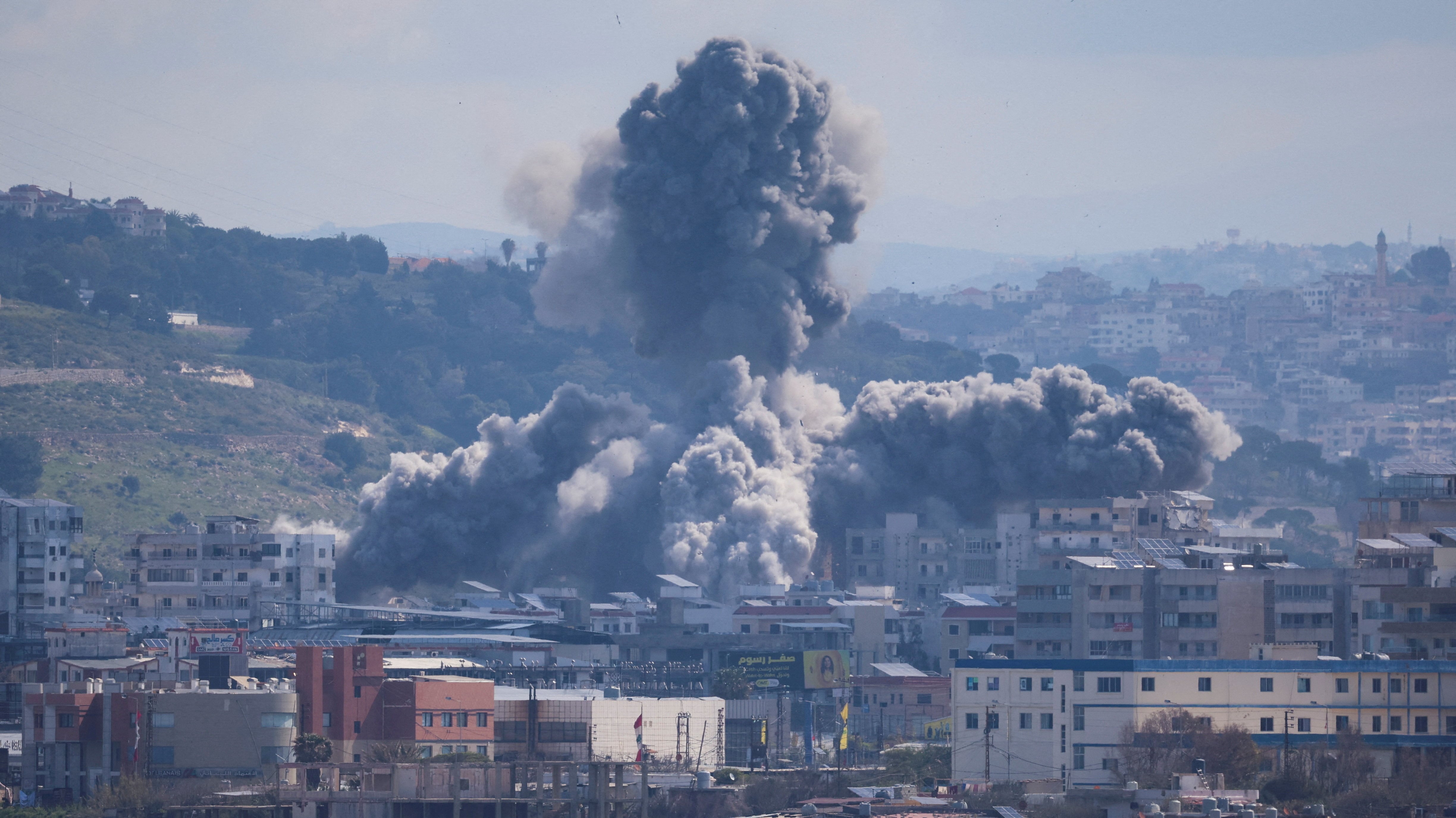 |
Sources: The Guardian, El País, L’Espresso, Tanea, The Hindu Summary: Iran accepted a Trump-brokered two-week ceasefire and pledged to reopen the Strait of Hormuz. Vice President JD Vance described it as a “fragile truce.” Pakistan’s Army chief General Asim Munir is credited as a key intermediary, with Islamabad set to host direct US-Iran talks on Friday. However, Israel declared Lebanon is not covered by the agreement and carried out air strikes on Tyre and southern Lebanon, issuing fresh evacuation orders. Why It Matters: The ceasefire offers temporary relief from the worst energy crisis since the 1970s, but the Lebanon exclusion risks reigniting a broader regional conflagration and leaves European allies — including France and Spain — demanding Beirut’s inclusion in any durable peace framework. |

Global Markets Surge as Oil Drops Below $100
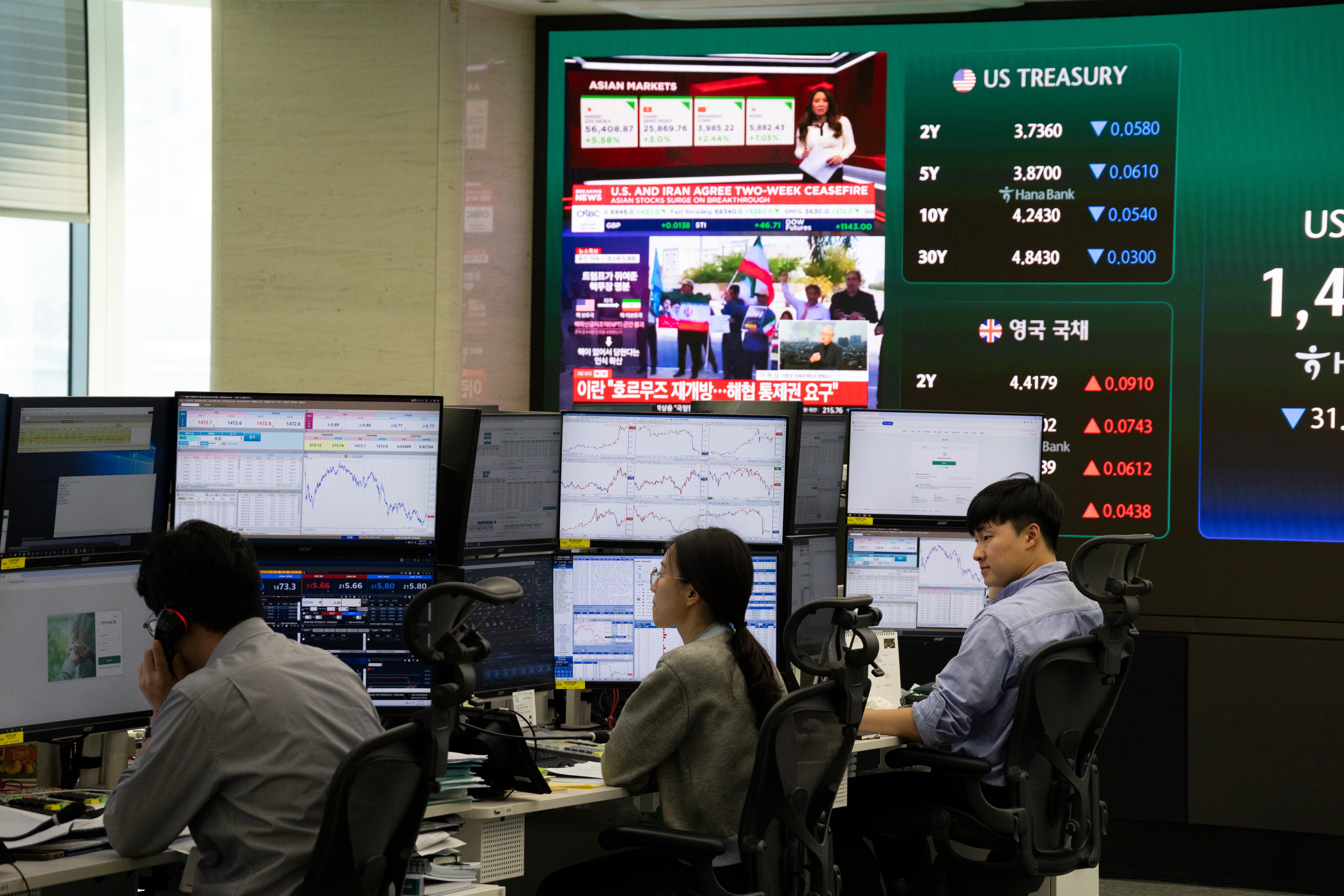 |
Sources: El País, O Globo, The Hindu Summary: Stock markets rallied worldwide on the ceasefire news: Spain’s IBEX 35 jumped 3.5%, and India’s rupee surged 47 paise to close at 92.59 per USD. Oil prices fell sharply below $100 per barrel. India’s RBI held its benchmark repo rate at 5.25%, citing persistent uncertainty from the West Asia conflict despite welcoming the truce. Why It Matters: While the immediate financial relief is significant, analysts caution the ceasefire is temporary. The Strait of Hormuz closure had already sent shockwaves through energy-dependent economies, and a collapse of talks could reverse gains rapidly. Italy’s Deputy PM Matteo Salvini has called for a partial suspension of the EU Stability Pact to help households cope with energy costs. |

How China Built the World’s Largest Natural Gas Stockpile
 |
Sources: New York Times Summary: A detailed investigation reveals how Beijing systematically amassed the world’s largest above-ground natural gas reserves, a strategic buffer that has significantly cushioned China from the energy shock unleashed by the Middle East war. Why It Matters: China’s preparedness contrasts sharply with Europe’s vulnerability and raises questions about Western energy security planning. The stockpile gives Beijing both economic resilience and geopolitical leverage as global energy markets remain volatile. |

Climate Study: Heat-Drought Combination to Hit Billions
 |
Sources: Der Spiegel Summary: A new study warns that one-third of humanity could soon face simultaneous extreme heat and drought events — five times more frequently than at present. The populations hardest hit are in regions that have contributed least to climate change. Why It Matters: The findings reinforce demands for climate justice at upcoming COP negotiations and highlight the urgent need for adaptation funding in the Global South. |

Regional Roundup
Middle East & Central Asia
- Pakistan’s diplomatic rise: Islamabad’s mediation between Washington and Tehran — led by Army Chief Asim Munir, reportedly a Trump favourite — elevates Pakistan’s regional standing and could reshape its relationship with both Iran and the US. (Tanea)
-

Lebanon protests exclusion: Beirut officials say Lebanon was included in the original ceasefire text; the EU, France, and Spain are demanding its reinstatement in negotiations. The IDF issued new evacuation orders for southern Lebanon. (L’Espresso, El País) - China’s FM heading to Pyongyang: China’s Foreign Minister will visit North Korea on April 9–10 as Beijing works to draw Pyongyang back into its orbit amid shifting alliances. (The Hindu)
Europe
- Spain — Ábalos/Koldo corruption trial begins: The Supreme Court trial of former minister Ábalos, aide Koldo, and intermediary Aldama over the pandemic-era mask procurement scandal opened with testimony from a woman linked to the ex-minister. Separately, Forestalia chief Fernando Samper resigned after his arrest in a renewable-energy corruption probe. (El País)
- Germany — CDU-SPD coalition talks in Rhineland-Palatinate: Two and a half weeks after state elections, exploratory talks have advanced to formal coalition negotiations, with no other viable majority available. (Der Spiegel)
- Germany — Berlin SPD candidate threatened: State security is investigating after SPD mayoral candidate Steffen Krach was threatened on a Berlin shopping street during campaigning. (Der Spiegel)
- Italy — Salvini calls for EU Stability Pact suspension: The League leader urged a partial freeze of EU fiscal rules to help households and businesses weather soaring energy costs. (Tanea)
- Greece — Social media ban for under-15s: Athens announced that children under 15 will be banned from using social media platforms starting January 1, 2027. (Ethnos)
Americas
-
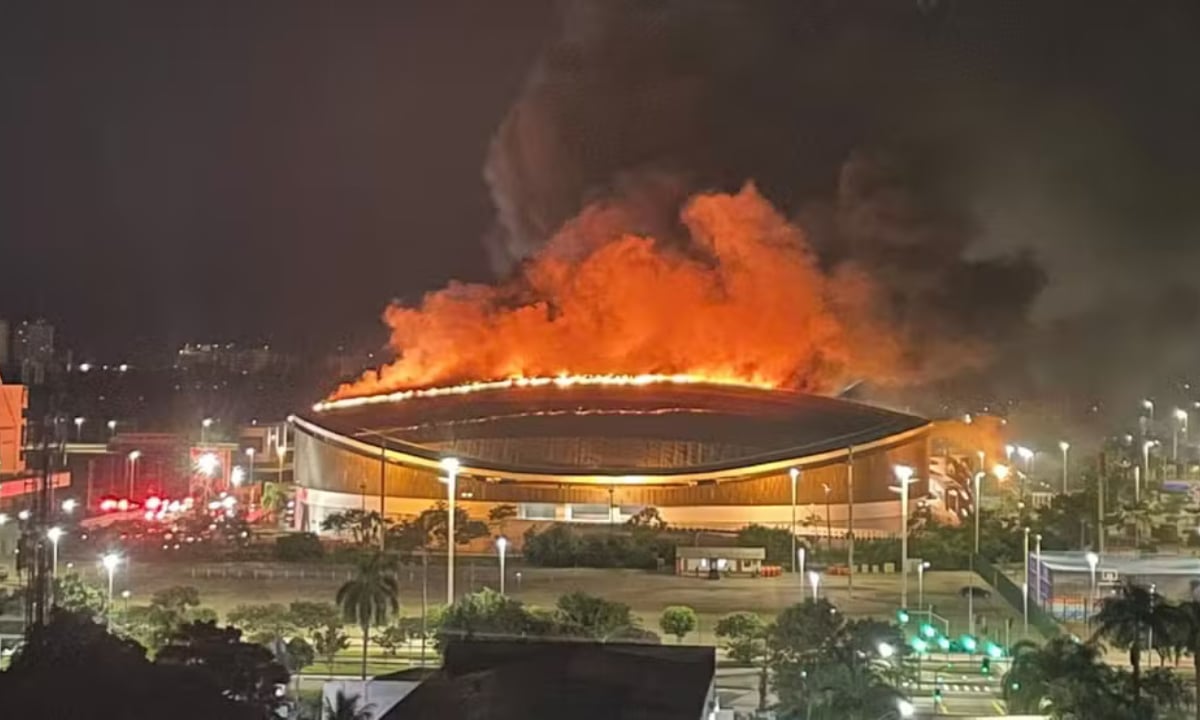
Brazil — Fire at Rio’s Olympic velodrome: A blaze damaged the roof of the 2016 Olympic velodrome in Rio de Janeiro; no casualties have been reported and the cause is under investigation. (CartaCapital) - Brazil — Markets react to ceasefire: Oil’s drop below $100 powered the Brazilian stock exchange sharply higher. (O Globo)
- Artemis II moon mission goes viral: Social media is celebrating the mission’s memorable moments — floating Nutella jars, tears in space, and an unexpected “voice from beyond.” (Der Spiegel, Ethnos)
South Asia
- India welcomes Iran-US ceasefire: The Ministry of External Affairs expressed hope the truce leads to lasting peace in West Asia. (The Hindu)
- India — RBI holds rates at 5.25%: The Monetary Policy Committee voted unanimously to pause, citing heightened uncertainty from elevated crude prices. (The Hindu)
- India — Election Commission clashes with TMC: A meeting between India’s Election Commission and Trinamool Congress ended acrimoniously, with both sides accusing the other of confrontational behaviour ahead of West Bengal assembly polls. (The Hindu)
Transparency & Press Freedom
-
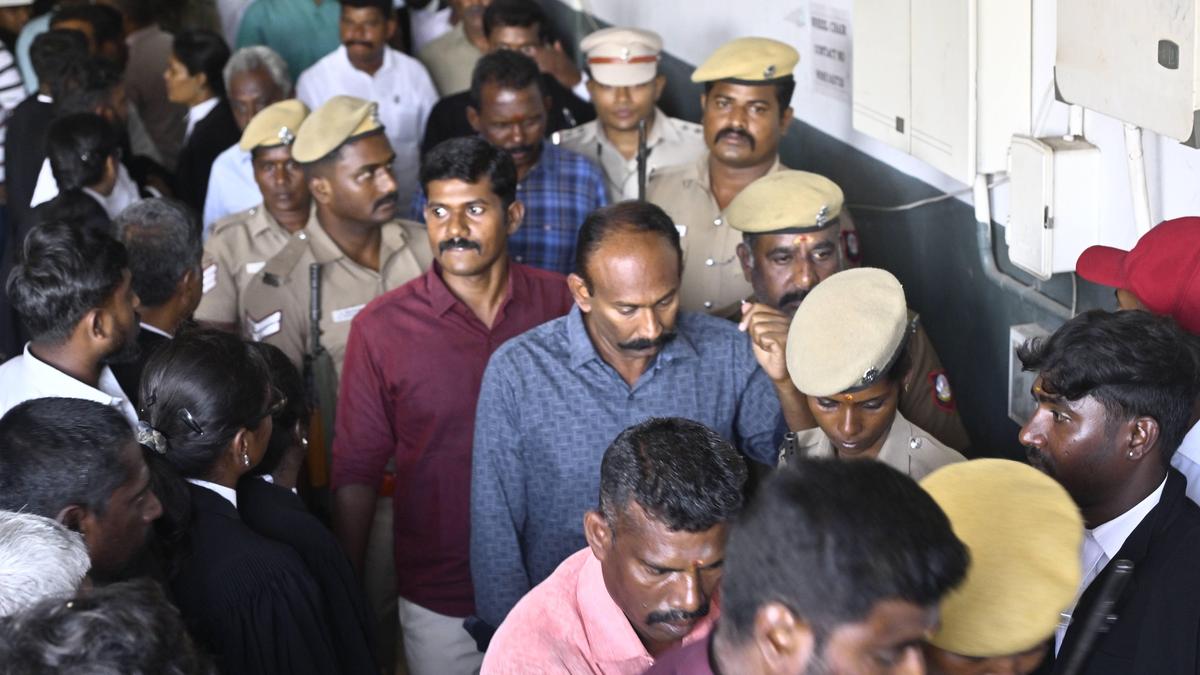
India — Custodial deaths whistleblower testimony: In the Sattankulam custodial deaths case in Tamil Nadu, head constable Revathi provided chilling testimony against her own colleagues, detailing how police joked about a detainee’s ability to “withstand a good beating” before he died in custody. Her account highlights the risks faced by officers who break ranks. (The Hindu) - India — ‘Money for votes’ video goes viral: Congress demanded Election Commission action after a video surfaced appearing to show BJP workers distributing cash to voters in Kerala’s Palakkad constituency ahead of assembly elections. (The Hindu)
Sources
- https://www.theguardian.com/world/live/2026/apr/08/iran-war-ceasefire-live-updates-trump-deadline-middle-east-crisis-latest-news
- https://elpais.com/internacional/2026-04-08/ultima-hora-de-la-guerra-de-estados-unidos-e-israel-contra-iran-en-directo.html
- https://lespresso.it/c/mondo/2026/04/08/libano-escluso-accordo-pace-israele-bombardamenti-reazioni-macron-spagna-unione-europea/61156
- https://www.tanea.gr/2026/04/08/world/ekexeiria-iran-ipa-o-agapimenos-stratarxis-tou-tramp-asim-mounir-kai-o-komvikos-rolos-tou-pakistan/
- https://www.thehindu.com/news/national/west-asia-conflict-india-welcomes-ceasefire-between-iran-and-us/article70837823.ece
- https://cincodias.elpais.com/mercados-financieros/2026-04-08/la-bolsa-y-el-ibex-35.html
- https://oglobo.globo.com/economia/financas/noticia/2026/04/08/petroleo-despenca-e-bolsas-sobem-com-forca-apos-anuncio-de-cessar-fogo-de-eua-e-ira.ghtml
- https://www.thehindu.com/business/markets/rupee-surges-47-paise-to-close-on-iran-us-ceasefire-rbi-pause-on-policy-rates/article70838117.ece
- https://www.nytimes.com/2026/04/08/business/china-natural-gas-reserves-iran-war.html
- https://www.spiegel.de/wissenschaft/klimawandel-kombination-aus-hitze-und-duerren-trifft-milliarden-menschen-a-9ce338cc-aced-4027-9fd5-d9dfc2562fe1#ref=rss
- https://elpais.com/espana/2026-04-08/primer-juicio-contra-abalos-koldo-y-aldama-por-la-trama-de-las-mascarillas-en-directo.html
- https://elpais.com/economia/2026-04-08/fernando-samper-renuncia-a-la-presidencia-de-forestalia-tras-su-detencion-por-el-caso-de-corrupcion-de-los-parques-eolicos-y-solares.html
- https://www.spiegel.de/politik/deutschland/rheinland-pfalz-cdu-und-spd-verhandeln-ueber-koalition-a-b8e7a876-95be-4643-aa44-e6b194966180#ref=rss
- https://www.spiegel.de/politik/deutschland/steffen-krach-staatsschutz-ermittelt-nach-bedrohung-von-berliner-spd-spitzenkandidat-a-1385815a-1448-40bc-8c17-af52ff686d3e#ref=rss
- https://www.tanea.gr/2026/04/08/world/mateo-salvini-prepei-na-apofasistei-meriki-anastoli-tou-symfonou-statherotitas/
- https://www.ethnos.gr/greece/article/404133/apagoreyshsocialmediagiaanhlikoyslivehexeidikeyshtonmetron
- https://www.cartacapital.com.br/sociedade/incendio-atinge-teto-do-velodromo-olimpico-do-rio/
- https://www.spiegel.de/wissenschaft/weltall/artemis-2-das-sind-die-viralen-momente-der-mondmission-a-6d5683b5-ea9f-424b-beec-8da4f38e203d#ref=rss
- https://www.thehindu.com/news/international/chinas-foreign-minister-to-visit-north-korea-between-april-9-and-10/article70837941.ece
- https://www.thehindu.com/elections/west-bengal-assembly/election-commission-trinamool-congress-tmc-meeting-gyanesh-kumar-west-bengal-elections-april-8-2026/article70837559.ece
- https://www.thehindu.com/news/national/tamil-nadu/sathankulam-custodial-deaths-case-the-chilling-account-of-head-constable-revathi-who-spoke-out-against-her-colleagues/article70837815.ece
- https://www.thehindu.com/elections/kerala-assembly/kerala-assembly-polls-2026-congress-demands-ec-to-act-over-money-for-votes-allegations-against-palakkad-bjp-candidate-sobha-surendran/article70838019.ece