Executive Summary
Britain disclosed a month-long covert military operation to track and deter three Russian submarines threatening undersea cables in the North Atlantic. The Middle East ceasefire between the U.S. and Iran teeters as Israel intensified strikes on Lebanon—killing at least 203 people—while Jerusalem’s holiest sites reopened for the first time in 40 days under a separate two-week truce. Argentina’s Congress approved President Milei’s controversial bill to permit mining on glaciers, and India held single-phase elections across Kerala, Assam, and Puducherry with strong turnout.
Top Stories
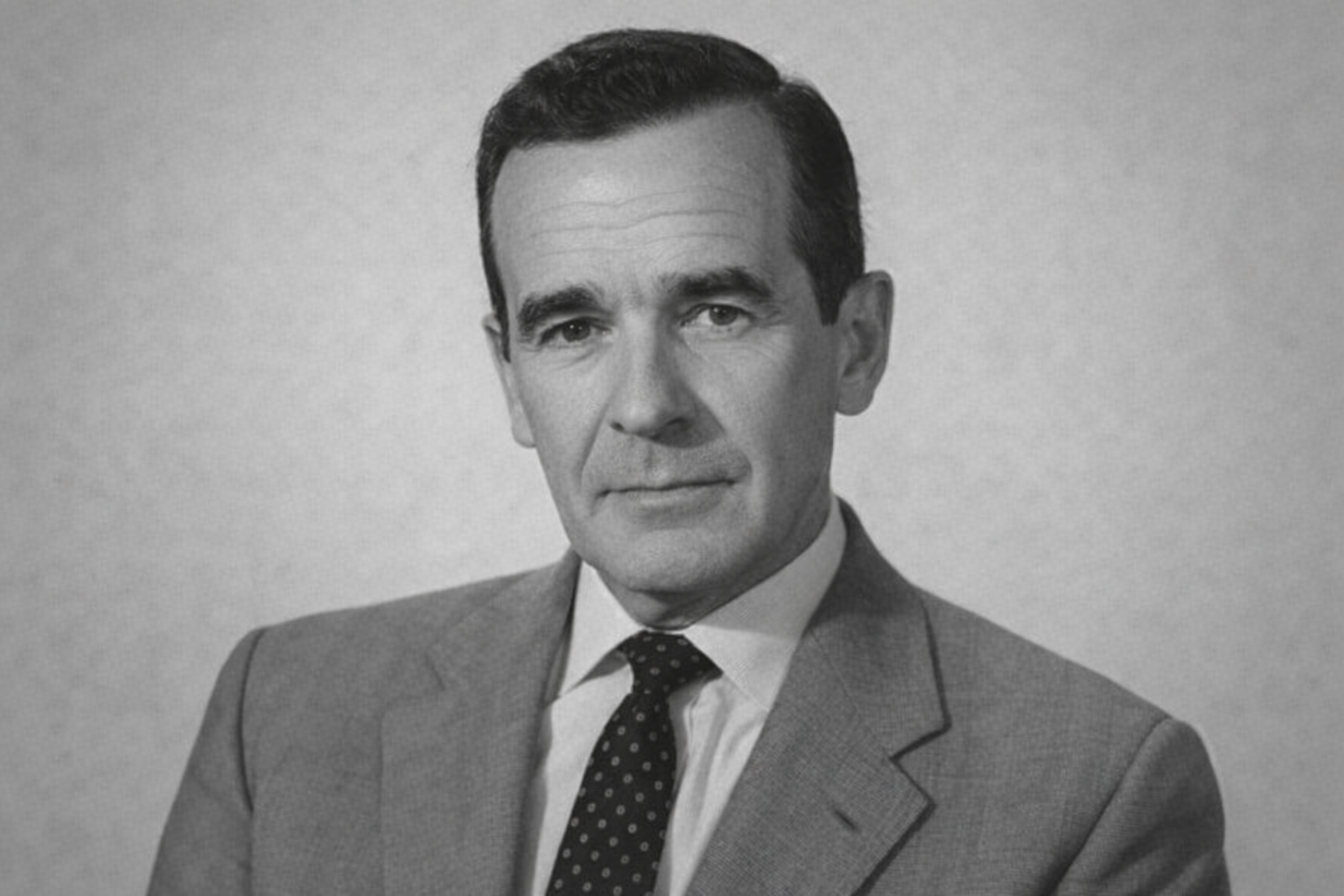
UK Reveals Covert Operation Tracking Russian Submarines in the Atlantic
 |
Sources: SMH, The Age, Der Spiegel, Ta Nea Summary: British Defence Secretary John Healey disclosed that the UK deployed armed forces to monitor three Russian submarines operating near British waters, tracking them “24 hours a day” for over a month. The submarines have since withdrawn, and Healey declared the covert Russian operation “uncovered.” The deployment was aimed at protecting critical undersea cables and pipelines. Why It Matters: The revelation underscores escalating NATO–Russia tensions in the maritime domain and highlights the vulnerability of underwater infrastructure that carries the bulk of transatlantic internet and energy traffic. |

Middle East Ceasefire in Doubt as Israel Strikes Lebanon, Killing 203
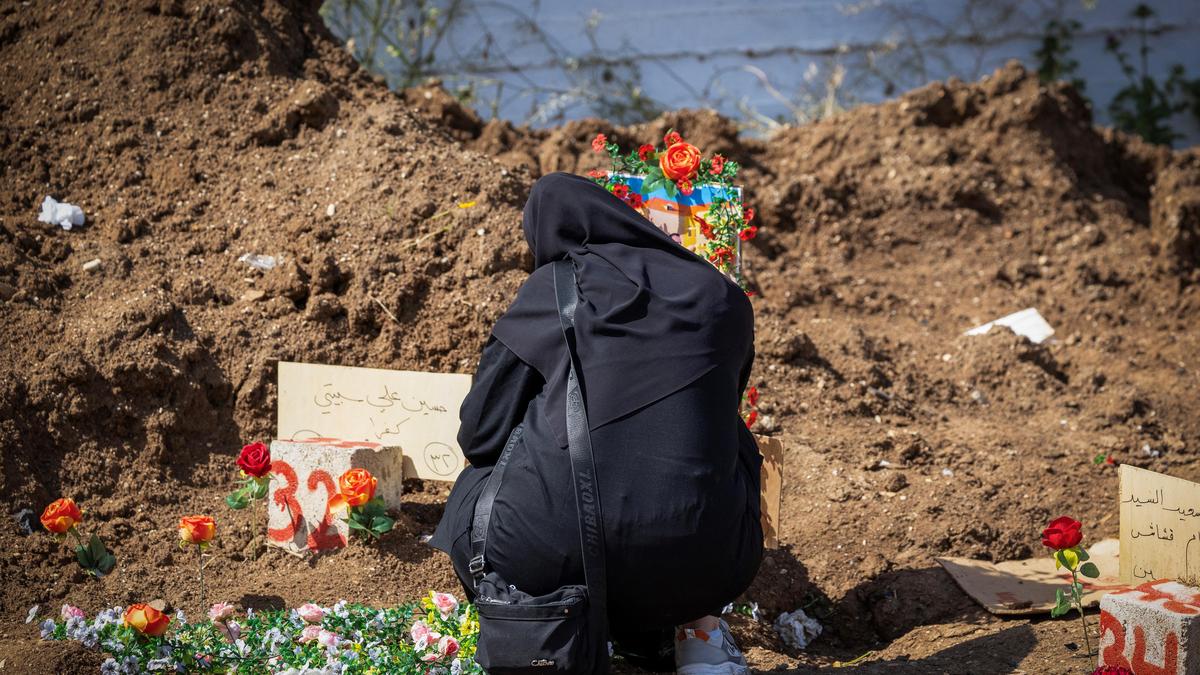 |
Sources: The Guardian, The Hindu, Ta Nea Summary: Israeli strikes on Lebanon have killed at least 203 people, casting serious doubt on the fragile U.S.–Iran ceasefire. Washington said Lebanon was not covered by the truce, while Tehran threatened to exit talks if Israeli attacks continued. President Trump warned Iran to comply with a “real agreement” or the U.S. would resume military action. Meanwhile, missiles struck near the Belgian embassy in Beirut while Foreign Minister Maxime Prévot was inside; he was unharmed but called for an immediate halt and for Lebanon to be included in any deal. Why It Matters: The widening gap between the U.S.–Iran track and the Lebanon theatre risks unravelling diplomacy entirely, with Iran also blocking Strait of Hormuz shipping—raising the spectre of an energy crisis. |

Jerusalem’s Holy Sites Reopen After 40 Days of Closure
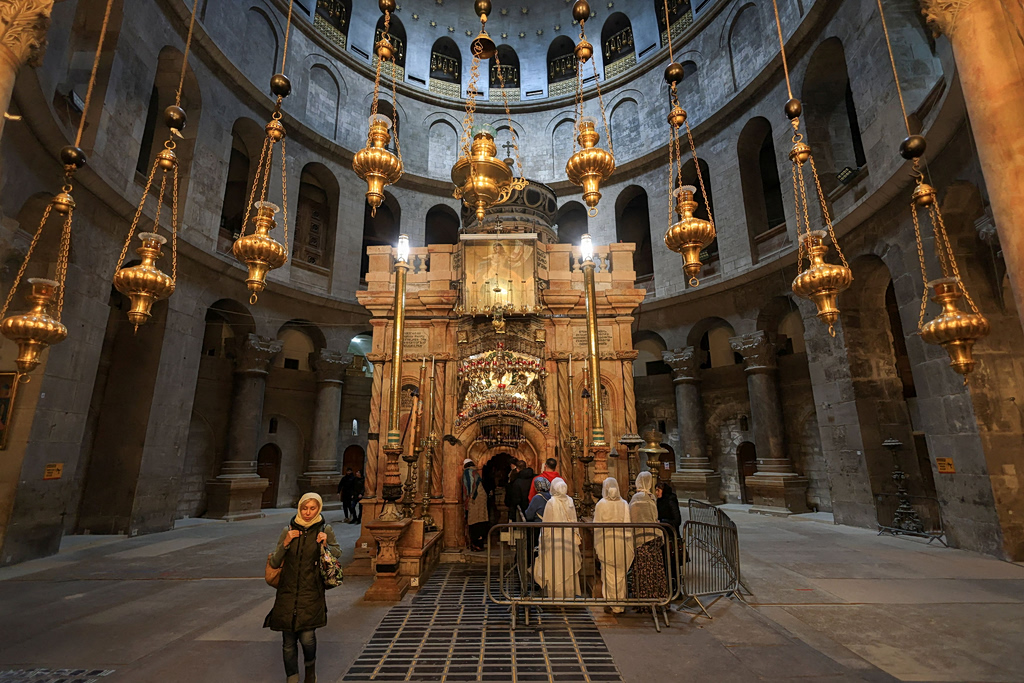 |
Sources: Ta Nea Summary: The Church of the Holy Sepulchre, the Western Wall, and the Temple Mount reopened on Holy Thursday under a two-week ceasefire agreement, after 40 days of restricted access due to military operations. Israeli police confirmed the reopening for worship and pilgrimage visits. Emotional scenes marked the return of clergy and worshippers to the sites. Why It Matters: The reopening on one of Christianity’s most sacred days carries enormous symbolic weight, though it depends on the durability of a narrow ceasefire window. |

Argentina’s Congress Approves Milei’s Glacier Mining Expansion
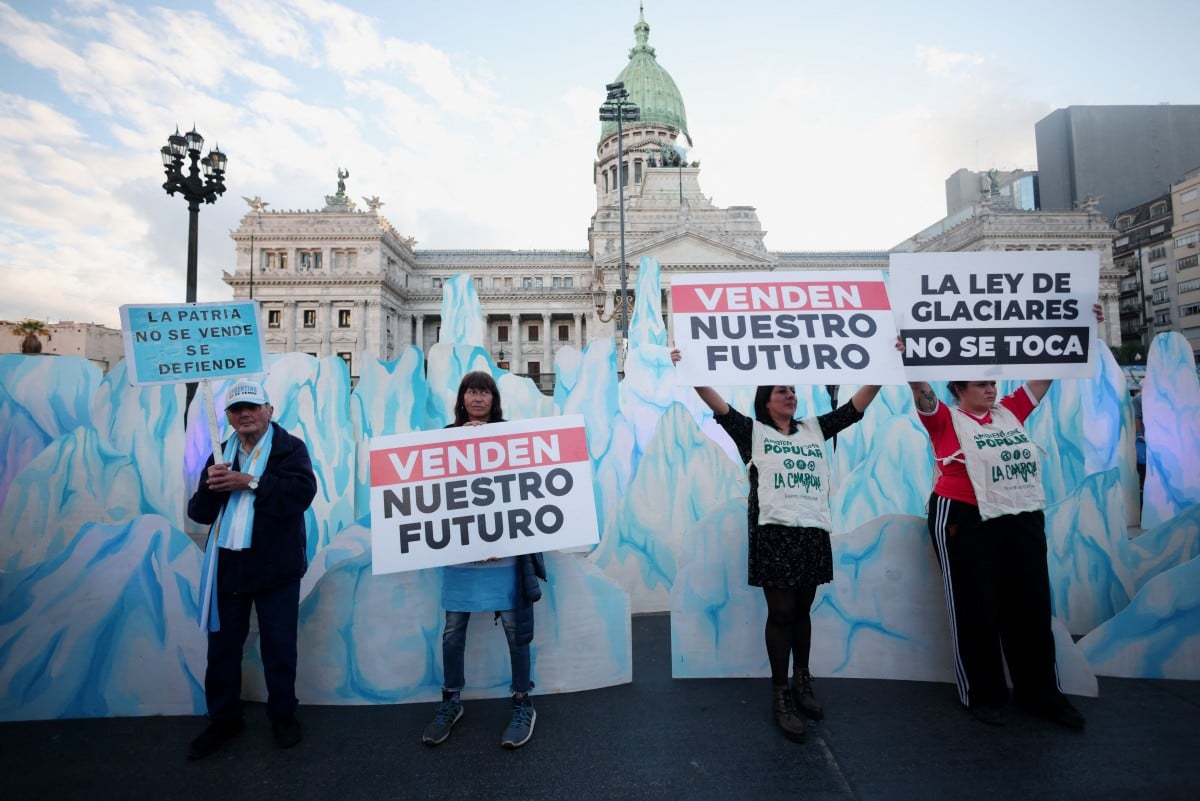 |
Sources: CartaCapital Summary: Argentina’s Congress passed President Javier Milei’s bill to open glacier and periglacial zones to mining exploration, overriding environmental protections that had been in place since 2010. Milei celebrated the vote while lashing out at environmental groups opposing the measure. Why It Matters: Argentina’s glaciers are critical freshwater reserves for the arid Andean west; the law could unlock billions in lithium and copper investment but at steep ecological cost, setting up legal and social battles ahead. |

India Holds Multi-State Elections with Strong Voter Turnout
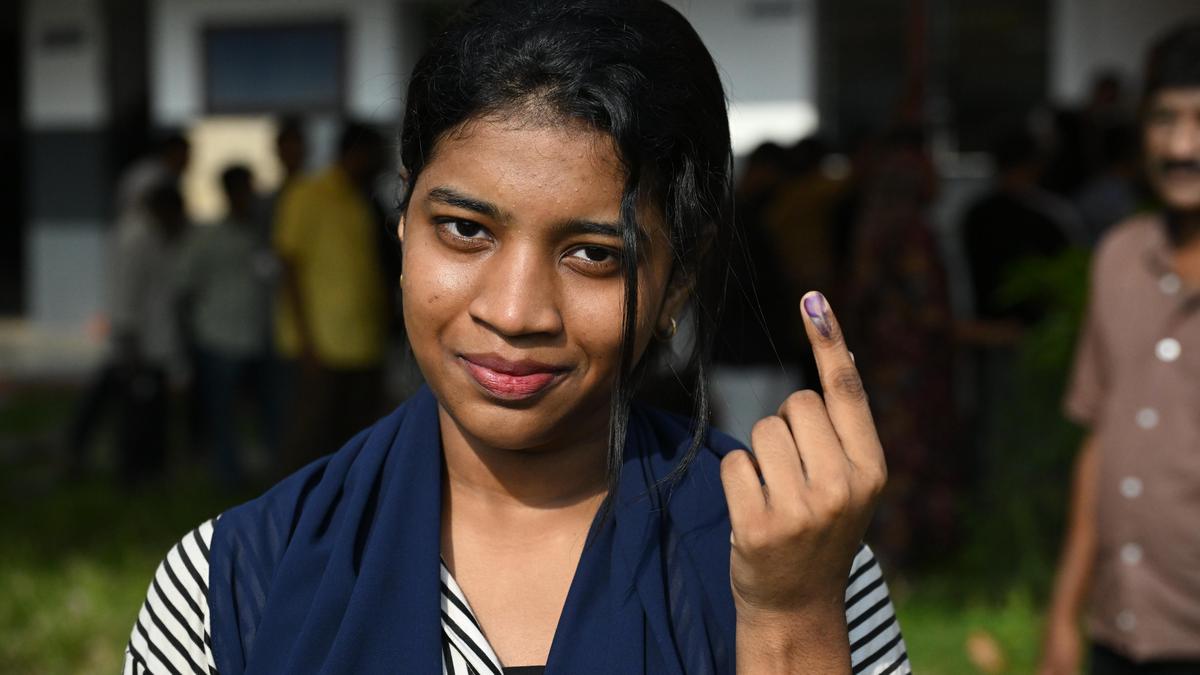 |
Sources: The Hindu Summary: Kerala recorded over 62% turnout by 3 p.m. across all 140 constituencies, Assam saw 75.9%, and Puducherry reached 72.4% in single-phase voting. Over 2.7 crore voters were eligible in Kerala alone. PM Modi campaigned aggressively in West Bengal, calling regime change “inevitable,” while CM Mamata Banerjee accused the BJP of mass voter-roll deletions—a charge echoed in a formal CPI(M) protest to the Election Commission. Why It Matters: These elections are a crucial mid-term barometer for the Modi government and could reshape opposition dynamics, particularly if the BJP makes gains in traditionally resistant southern and eastern states. |
Regional Roundup
Europe
-

Norway avalanche victims named: Guro Jordheim, 29, and Max Napoleon Andersson, 34, were identified as those killed in a deadly avalanche in Hemsedal. (Dagbladet) - Spain corruption trial begins: Former minister Ábalos, aide Koldo, and businessman Aldama face trial at the Supreme Court over the pandemic-era mask procurement scandal; a witness testified a Cádiz villa was bought for Ábalos in exchange for a licence. (El País)
- Norwegian actress headed to Cannes: Renate Reinsve will star in “Fjord,” selected for the Cannes Film Festival—described by Reinsve as akin to “being Oscar-nominated.” (Dagbladet)
- Berlin’s Pergamon Museum to close again: Freshly renovated sections of the iconic museum will reportedly shut once more—some until 2037—due to ongoing construction problems. (Der Spiegel)
Middle East & Africa
- Belgian FM narrowly escapes Beirut strike: Israeli missiles hit close to Belgium’s embassy in Beirut without prior warning while Foreign Minister Prévot was inside. He demanded Lebanon’s inclusion in ceasefire talks. (Ta Nea)
- Indian rupee weakens: The rupee fell 9 paise to 92.63 against the dollar, pressured by Middle East uncertainty and Iran’s threats to exit ceasefire negotiations. (The Hindu)
Americas
-
Argentina glacier mining law sparks protests across Buenos Aires as environmentalists vow legal challenges. (CartaCapital) - Ben Sasse on life and dying: The former U.S. senator, diagnosed with terminal pancreatic cancer, speaks publicly about wanting to “heal the America he’s leaving behind.” (NYT)
Asia-Pacific
-
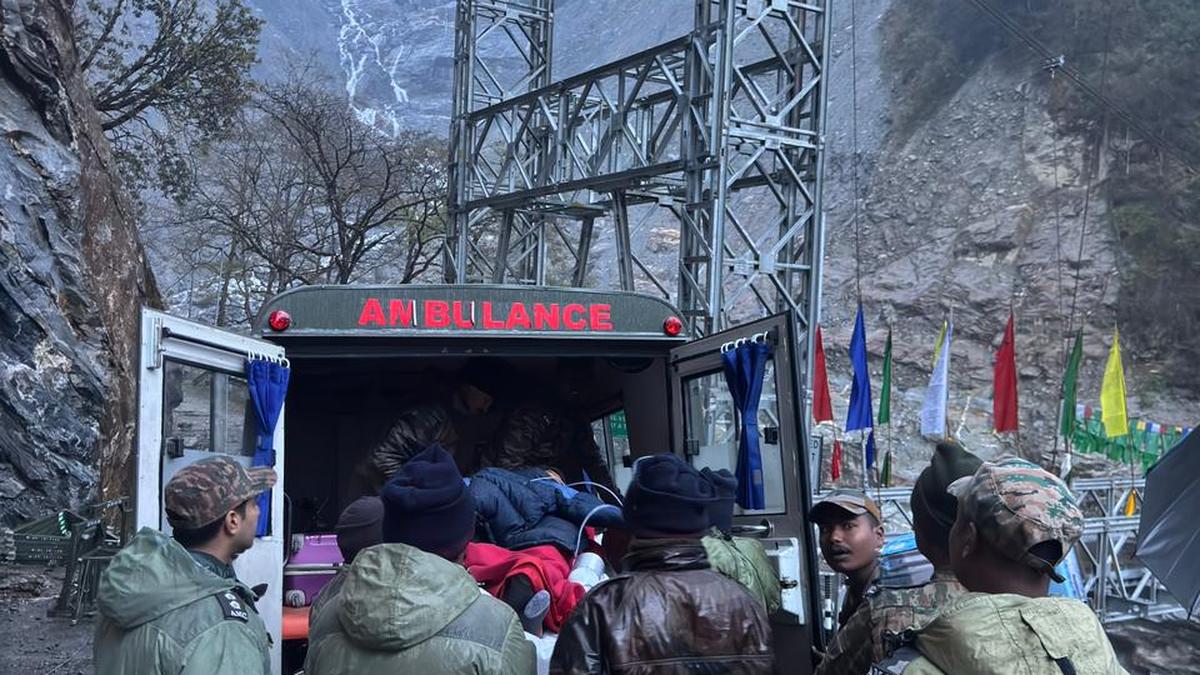
Army rescues 135 tourists in Sikkim: Around 1,000 tourists remain stranded in Lachen after landslides, with Indian Army operations ongoing. (The Hindu) - OpenAI proposes four-day work week: The ChatGPT maker issued policy recommendations suggesting employers trial a four-day week without pay cuts as AI transforms workplaces. (Ta Nea)
- Artemis II re-entry risks examined: Scientists detail the extreme dangers of the Orion capsule’s return—3,000 °C heat and hypersonic speeds—as the mission timeline advances. (Ethnos)
Transparency & Press Freedom
- Indian headmaster booked over social media post: An Andhra Pradesh school principal was charged for a social media post critical of Chief Minister Chandrababu Naidu, raising concerns about chilling effects on free expression. (The Hindu)
- CPI(M) protests mass voter deletions in West Bengal: The party wrote to the Chief Election Commissioner alleging that voters are “treated as suspects” and burdened with proving their identity, warning of large-scale disenfranchisement. CM Mamata Banerjee separately alleged the BJP orchestrated deletion of 90 lakh (9 million) voter names. (The Hindu)
Sources
- https://www.cartacapital.com.br/mundo/congresso-argentino-aprova-projeto-de-milei-para-expandir-mineracao-em-geleiras/
- https://www.dagbladet.no/nyheter/frigir-navn-etter-dodsskredet/84473972
- https://www.dagbladet.no/kjendis/klar-for-cannes/84473885
- https://elpais.com/espana/2026-04-09/primer-juicio-contra-abalos-koldo-y-aldama-por-la-trama-de-las-mascarillas-en-directo.html
- https://www.ethnos.gr/World/article/404238/giatihepistrofhtoyartemisiisthghkrybeikindynoysoi3000c2b0ckaioiakraiestaxythtes
- https://www.nytimes.com/2026/04/09/opinion/ben-sasse-death-pancreatic-cancer.html
- https://www.smh.com.au/world/europe/uk-deployed-military-to-deter-russian-submarines-from-its-waters-20260409-p5zmph.html
- https://www.spiegel.de/ausland/grossbritannien-russische-u-boote-sollen-laut-john-healey-im-nordatlantik-getrackt-worden-sein-a-84cf7974-ce3b-4291-b972-ab307b179208
- https://www.spiegel.de/panorama/pergamonmuseum-berlin-pergamonsaal-soll-nach-sanierung-erneut-monatelang-schliessen-a-ba101beb-8f61-43f1-8e27-8d45c166f889
- https://www.tanea.gr/2026/04/09/world/ierousalim-o-naos-tis-anastaseos-anoikse-tis-pyles-tou-meta-apo-40-imeres-sygkinisi-gia-pistous-kai-iereis/
- https://www.tanea.gr/2026/04/09/world/virytos-pyrayloi-epesan-konta-stin-velgiki-presveia-tin-ora-pou-vriskotan-entos-o-ypeks-tis-xoras/
- https://www.tanea.gr/2026/04/09/world/kampanaki-apo-vretania-entopisame-ayksimeni-kinitikotita-rosikon-ypovryxion-ston-atlantiko/
- https://www.tanea.gr/2026/04/09/economy/diethni/tetraimeri-ergasia-xoris-meiosi-misthou-i-protasi-tis-openai-gia-tin-epoxi-tis-texnitis-noimosynis/
- https://www.theguardian.com/world/live/2026/apr/09/iran-war-ceasefire-live-strait-of-hormuz-israel-strikes-middle-east-crisis-latest-news
- https://www.thehindu.com/news/international/israels-lebanon-strikes-kill-many-sparking-global-calls-to-extend-us-iran-truce/article70842302.ece
- https://www.thehindu.com/elections/kerala-assembly/kerala-assembly-election-2026-voter-turnout-live-updates-april-9/article70838260.ece
- https://www.thehindu.com/elections/assam-assembly/assam-assembly-election-2026-live-updates-voting-april-9/article70838218.ece
- https://www.thehindu.com/elections/puducherry-assembly/puducherry-assembly-election-2026-voter-turnout-live-updates-april-9/article70838921.ece
- https://www.thehindu.com/news/national/sikkim/army-rescues-135-tourists-from-landslides-hit-north-sikkim-many-still-stranded/article70841444.ece
- https://www.thehindu.com/business/markets/rupee-falls-9-paise-to-close-at-9263-against-us-dollar/article70842435.ece
- https://www.thehindu.com/news/national/andhra-pradesh/andhra-pradesh-headmaster-booked-for-social-media-post-against-chandrababu-naidu/article70841697.ece
- https://www.thehindu.com/elections/west-bengal-assembly/voter-treated-as-suspect-burdened-to-prove-otherwise-cpim-letter-to-ec-on-bengal-voter-deletions/article70842320.ece
- https://www.thehindu.com/elections/west-bengal-assembly/mamata-alleges-bjp-deleted-90-lakh-names-warns-of-partys-fall-accuses-shah-of-intimidation/article70842449.ece
Author