Executive Summary
Islamabad is under a massive security lockdown as Pakistan prepares to host historic US-Iran negotiations, even as President Trump casts doubt on the ceasefire’s durability over Iran’s continued closure of the Strait of Hormuz. In a parallel diplomatic track, Trump and UK Prime Minister Starmer discussed assembling a military coalition to escort shipping through the strait. Across the Pacific, Taiwan’s main opposition leader visited Beijing to advocate rapprochement with China, framing it as essential to avoiding war. NASA’s Artemis II crew is preparing for atmospheric re-entry and splashdown, and the EU’s new biometric border-control system went live today.
Top Stories
US-Iran Talks Open in Islamabad Under Unprecedented Security — but Ceasefire Wobbles
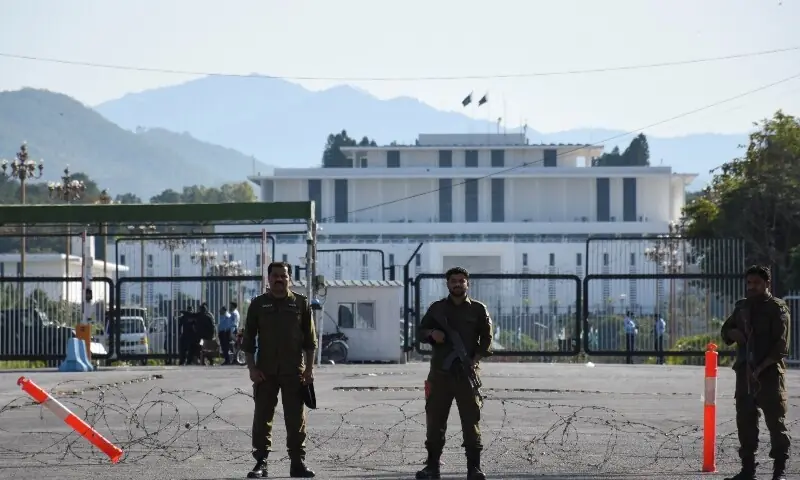 |
Sources: Dawn, The Guardian, Carta Capital, Ethnos, NY Times Summary: More than 10,000 police and security personnel, backed by military and paramilitary forces, have locked down Pakistan’s capital ahead of the US-Iran peace talks. President Trump, however, publicly questioned the ceasefire’s viability, citing Iran’s refusal to reopen the Strait of Hormuz, while Israel continues to strike targets in Lebanon despite nominal truce conditions. The outcome remains uncertain, ranging from a genuine deal to a prolonged stalling game or a fresh escalation. Why It Matters: These are the most consequential US-Iran direct negotiations in decades. A collapse could re-ignite a conflict that has devastated the Middle East, disrupted global energy markets, and — as analyst Fareed Zakaria argues — marked a turning point in America’s global standing. |

Trump and Starmer Discuss Military Coalition to Secure Strait of Hormuz
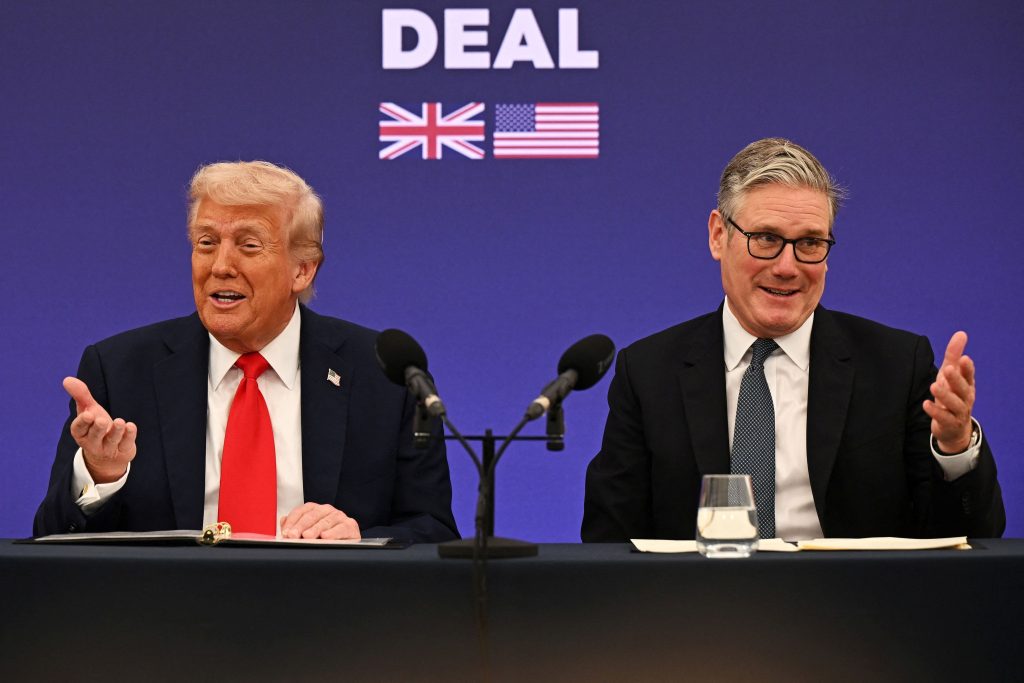 |
Sources: Tanea Summary: British PM Keir Starmer revealed he spoke with President Trump about assembling an international alliance to guarantee the passage of commercial vessels through the Strait of Hormuz, combining diplomatic, political, and military capabilities. Starmer made the comments during a visit to the Middle East, signalling that Western powers are preparing contingency plans even as talks proceed. Why It Matters: The Strait of Hormuz is the world’s most critical oil-shipping chokepoint. A formal military escort coalition would represent a significant escalation in Western posture toward Iran and could complicate the Islamabad negotiations. |

Lebanon Faces Severe Food-Security Crisis as Iran War Fallout Spreads
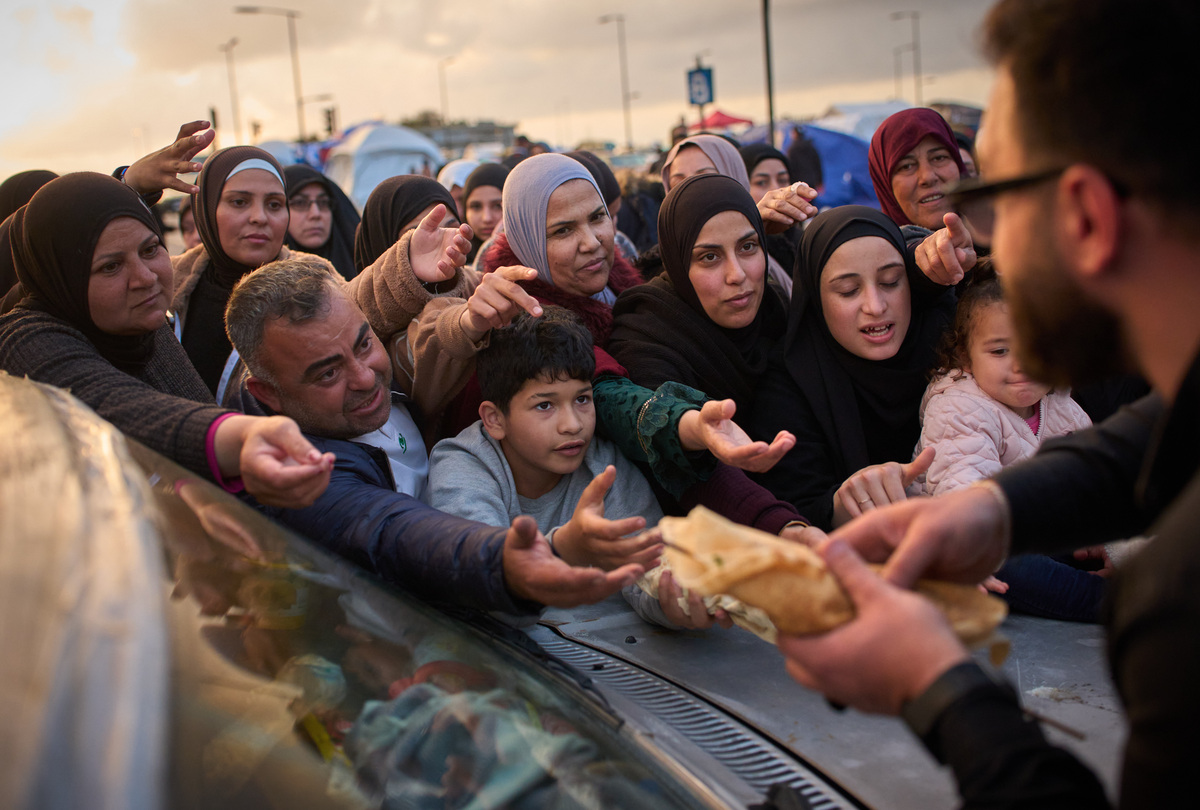 |
Sources: Ethnos, L’Espresso Summary: Aid officials warn that Lebanon is rapidly sliding from a displacement crisis into a full-blown food-security emergency, driven by the ongoing Israel-Hezbollah fighting and the broader Iran war. L’Espresso reports that Israel’s operations — from southern Lebanon to Syria and Gaza — form part of a broader territorial expansion strategy under PM Netanyahu, pursued under the banner of national security. Why It Matters: The humanitarian toll now extends well beyond the primary conflict zones, and the food crisis threatens to destabilise Lebanon’s fragile political order further. |

Taiwan Opposition Leader Defends Beijing Visit as Key to “Avoiding War”
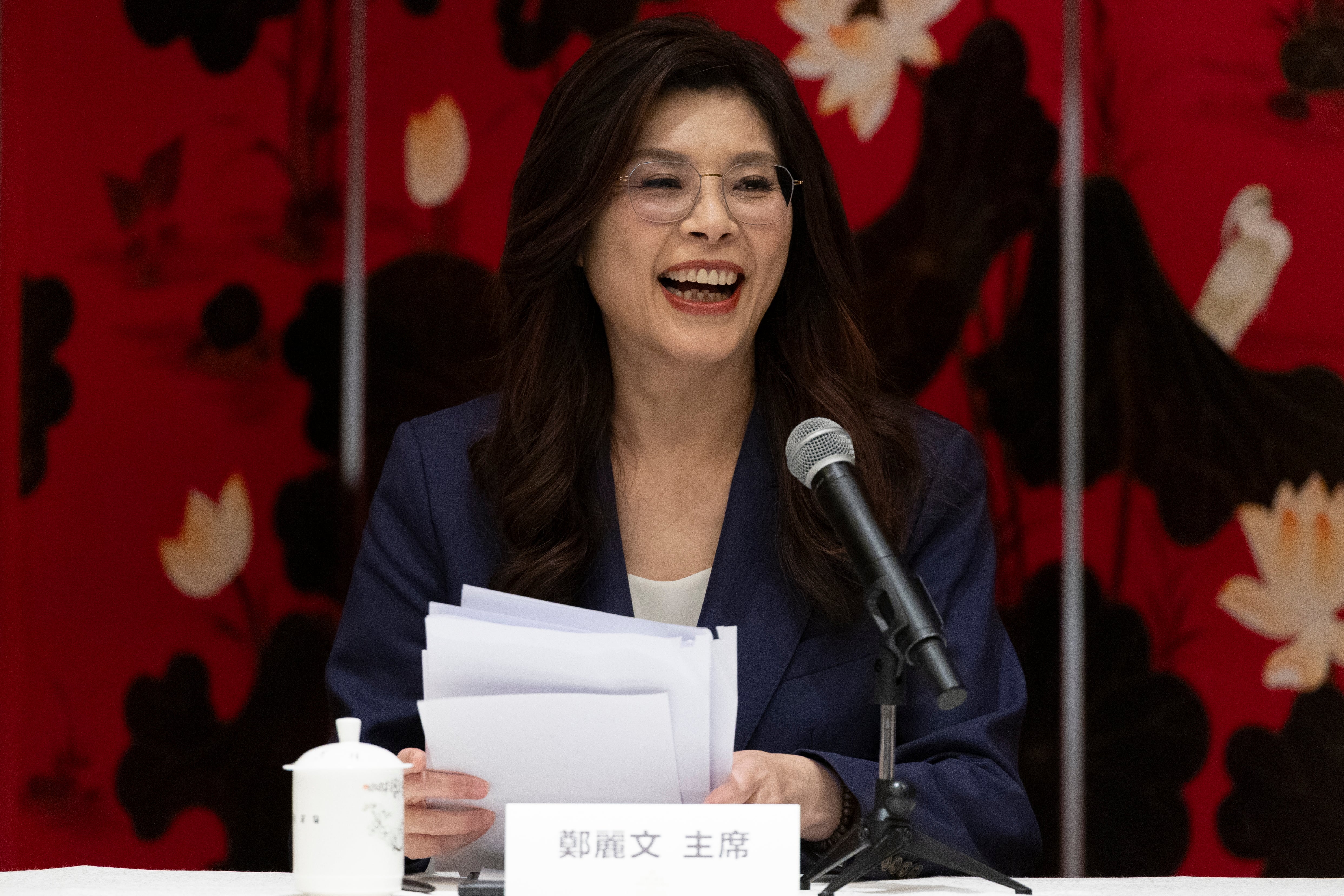 |
Sources: El País Summary: Cheng Li-wun, president of Taiwan’s opposition Kuomintang (KMT), visited Beijing and publicly advocated closer ties with China as the only path to preventing armed conflict. The visit comes amid sustained cross-strait tensions and growing US involvement in the region. Why It Matters: Any high-profile KMT-Beijing engagement reshapes the domestic political calculus in Taiwan and sends signals to Washington. It underscores the deepening divide on the island over how to manage the China relationship. |

Artemis II Crew Prepares for Earth Re-Entry and Splashdown
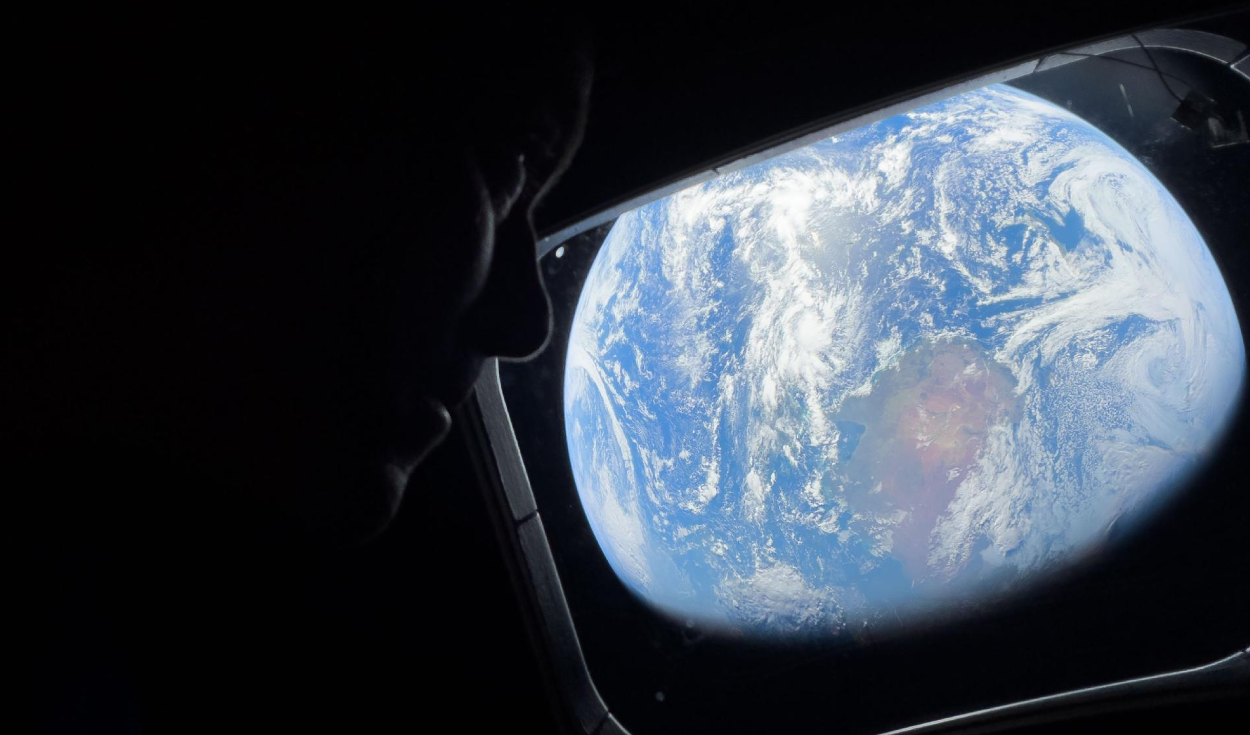 |
Sources: La República Summary: NASA’s Artemis II astronauts are in final preparations to cross back through Earth’s atmosphere and complete a splashdown, capping the first crewed mission around the Moon since the Apollo era. Coverage is being carried live across multiple networks. Why It Matters: A successful return validates the Artemis architecture for eventual crewed lunar landings and sustains political momentum for deep-space exploration funding. |

EU Biometric Border System (EES) Goes Live
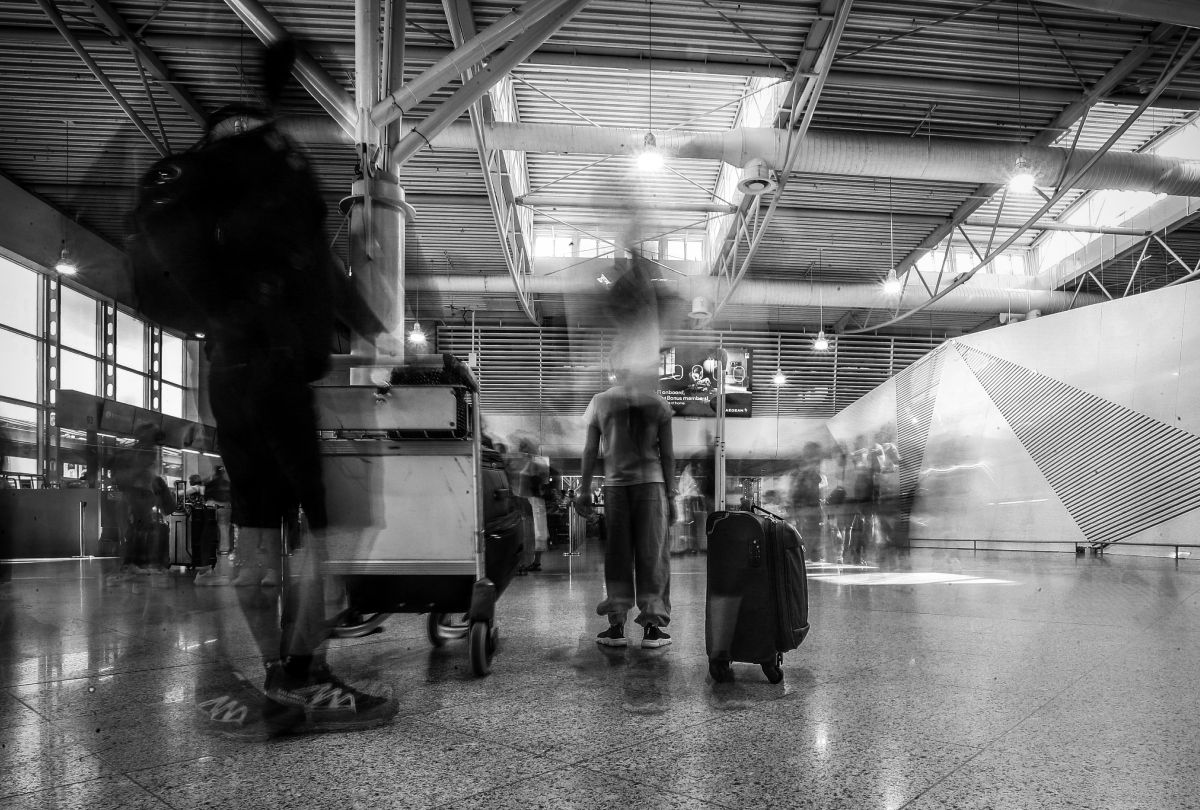 |
Sources: Ethnos Summary: The European Union’s new Entry/Exit System (EES) became fully operational today, requiring fingerprints and short questionnaires from non-EU travellers at Schengen borders. The long-delayed digital system replaces manual passport stamping. Why It Matters: The EES is the EU’s biggest upgrade to external-border management in a generation, with implications for travel fluidity, data privacy, and immigration enforcement. |
Regional Roundup
Americas
- Peru heads to polls on Sunday: Institutions and public figures are openly endorsing candidates just two days before general elections for the Senate and Chamber of Deputies, raising concerns about institutional neutrality. (La República)
- Brazil marks 10 years since Dilma Rousseff impeachment: A Pública’s podcast revisits the April 17, 2016 vote that removed Rousseff, reflecting on its lasting political and social reverberations. (A Pública)
Europe
-
EU EES biometric border system launches: Fingerprint scans and digital questionnaires now required for non-EU travellers entering the Schengen zone. (Ethnos) - Spain — Catalonia to add 700 medical school places: The regional government plans the expansion over five years to address healthcare workforce shortages. (El País)
- Spain — Left-unity bid rejected: ERC again rebuffed Gabriel Rufián’s proposal to unite parties to the left of the PSOE in Catalonia. (El País)
- Dolce & Gabbana loses co-founder: Stefano Gabbana has quietly departed the debt-laden luxury house, reportedly months ago. (Spiegel)
- Greece — Orthodox Easter observances and food-safety crackdown: Eleven tonnes of unfit meat were seized in Attica ahead of Easter; Holy Friday services drew large crowds in Athens and Jerusalem. (Tanea)
Middle East & Africa
- Israel-Hezbollah strikes continue: Netanyahu stated there is no ceasefire in Lebanon as fresh Israeli strikes were launched, even while US-Iran talks proceed. (The Guardian)
- Melania Trump’s Epstein statement sparks speculation: The First Lady’s public distancing from Jeffrey Epstein reignited debate, angering victims’ advocates. (Spiegel)
Asia-Pacific
- India — Supreme Court summons Ghaziabad police: The Chief Justice rebuked “insensitive” handling of a minor’s rape-murder case, ordering the police commissioner and investigating officer to appear on April 13. (The Hindu)
- India — ISI espionage module busted: Delhi Police arrested 11 people linked to a Pakistan-ISI surveillance network using solar-powered CCTV cameras. (The Hindu)
- India — 42 Maoist cadres surrender in Telangana: The DGP declared no active armed Maoist formations remain in the state. (The Hindu)
- India — West Bengal & Tamil Nadu election dynamics: Identity politics and voter-roll controversies dominate West Bengal; DMK faces a multi-cornered fight in Tamil Nadu. (The Hindu)
-
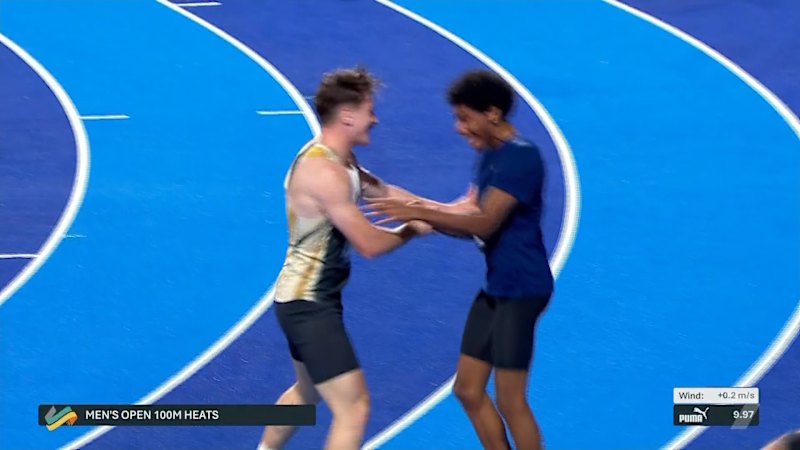
Australia — Lachlan Kennedy breaks 10-second 100m barrier at the Australian athletics championships, a landmark for Australian sprinting. (SMH, The Age) - Indian rupee slips 17 paise to 92.68 against the US dollar amid volatility linked to RBI overnight-position limits for banks. (The Hindu)
Transparency & Press Freedom
- Melania Trump’s Epstein statement: The First Lady’s unsolicited public distancing from Jeffrey Epstein has drawn fresh scrutiny to questions about the transparency of the Epstein investigations and the extent of political figures’ connections. Victims’ advocates expressed frustration, arguing the statement deflects rather than illuminates. (Spiegel)
- India — ISI solar-CCTV surveillance network exposed: The busting of a covert camera network near sensitive installations highlights the intersection of surveillance technology and national security, raising questions about oversight of proliferating CCTV infrastructure. (The Hindu)
Sources
- https://www.dawn.com/news/1990496/in-pictures-heavy-security-in-islamabad-ahead-of-us-iran-talks
- https://www.theguardian.com/world/live/2026/apr/10/iran-war-live-updates-trump-ceasefire-strait-hormuz-israel-lebanon-hezbollah
- https://www.cartacapital.com.br/mundo/cessar%e2%80%91fogo-fragil-e-impasses-ameacam-negociacoes-entre-eua-e-ira-no-paquistao/
- https://www.nytimes.com/2026/04/10/opinion/ezra-klein-podcast-fareed-zakaria.html
- https://www.tanea.gr/2026/04/10/world/tramp-kai-starmer-syzitisan-stratiotiki-kai-dioikitiki-ypostiriksi-sti-dieleysi-ploion-apo/
- https://www.ethnos.gr/World/article/404362/olibanosantimetoposmesobarhkrishdiatrofikhsasfaleiasexaitiastoypolemoystoiran
- https://lespresso.it/c/mondo/2026/04/10/israele-guerre-stragi-morte-civili-gaza-iran-coloni-violenze-cisgiordania/61210
- https://elpais.com/internacional/2026-04-10/la-lider-opositora-de-taiwan-defiende-en-pekin-su-acercamiento-a-china-para-evitar-una-guerra.html
- https://larepublica.pe/ciencia/2026/04/10/la-mision-artemis-ii-reingresa-a-la-tierra-en-vivo-los-astronautas-se-preparan-para-cruzar-la-atmosfera-y-amerizar-811557
- https://www.ethnos.gr/travel/article/404353/daktylikaapotypomatakaierothmatologiatiallazeiaposhmerastataxidiaentoseyrophs
- https://larepublica.pe/politica/2026/04/09/elecciones-2026-instituciones-toman-postura-a-favor-de-candidatos-a-2-dias-de-los-comicios-opus-dei-fernando-rospigliosi-hnews-285804
- https://apublica.org/podcast/2026/04/podcast-pauta-publica/o-impeachment-de-dilma-rousseff-10-anos-da-votacao-que-mudou-o-brasil/
- https://elpais.com/espana/catalunya/2026-04-10/cataluna-preve-crear-700-nuevas-plazas-de-medicina-en-cinco-anos.html
- https://elpais.com/espana/catalunya/2026-04-10/erc-vuelve-a-dar-portazo-al-plan-de-rufian-para-unir-a-los-partidos-a-la-izquierda-del-psoe.html
- https://www.spiegel.de/wirtschaft/dolce-gabbana-luxus-modemarke-jetzt-ohne-stefano-gabbana-a-849befe6-da2f-4f69-b6fa-98d42dcb9a59#ref=rss
- https://www.spiegel.de/ausland/melania-trump-ueber-jeffrey-epstein-statement-entfacht-neue-spekulationen-a-3a576640-2b75-4726-bb9f-c095b2893fc8#ref=rss
- https://www.thehindu.com/news/national/shocked-sc-summons-police-commissioner-io-on-april-13-in-ghaziabad-rape-murder-case-of-minor/article70846558.ece
- https://www.thehindu.com/news/national/pakistan-isi-espionage-module-busted-11-held-solar-cctv-surveillance-network-exposed/article70846916.ece
- https://www.thehindu.com/news/national/telangana/42-maoist-cadres-surrender-with-arms-and-gold-before-telangana-police/article70846859.ece
- https://www.thehindu.com/business/markets/rupee-falls-17-paise-to-close-at-9268-against-us-dollar/article70846982.ece
- https://www.smh.com.au/sport/lachlan-kennedy-cracks-10-20260410-p5zn0a.html
- https://www.tanea.gr/2026/04/10/greece/enteka-tonoi-akatallilon-kreaton-katasxethikan-se-elegxous-tis-perifereias-attikis/
- https://www.tanea.gr/2026/04/10/greece/pasxa-katanyktiki-kai-sygkinitiki-i-teleti-apokathilosis-se-ellada-kai-ierosolyma/
- https://www.thehindu.com/videos/has-sir-changed-the-west-bengal-election-narrative/article70847019.ece
- https://www.thehindu.com/podcast/in-focus-podcast-tamil-nadu-assembly-elections-can-dmk-retain-power-amidbjps-pushaiadmkschallengeand-vijays-tvkentry/article70846969.ece
Author