Executive Summary
The most consequential development today is the opening of US-Iran peace talks in Islamabad, with US Vice President JD Vance meeting Pakistani PM Shehbaz Sharif as both sides explore a potential end to hostilities. Contested reports emerged that Washington agreed to release frozen Iranian assets — a claim the White House denied. Separately, the UK announced it will host a multilateral meeting next week on reopening the Strait of Hormuz, whose Iranian blockade has battered the global economy. In Latin America, Keiko Fujimori launched a Trump-aligned presidential campaign in Peru, while Germany’s coalition government prepared weekend deliberations on energy price relief amid surging costs.
Top Stories
US-Iran “Islamabad Talks” Begin as Vance Meets Pakistani PM
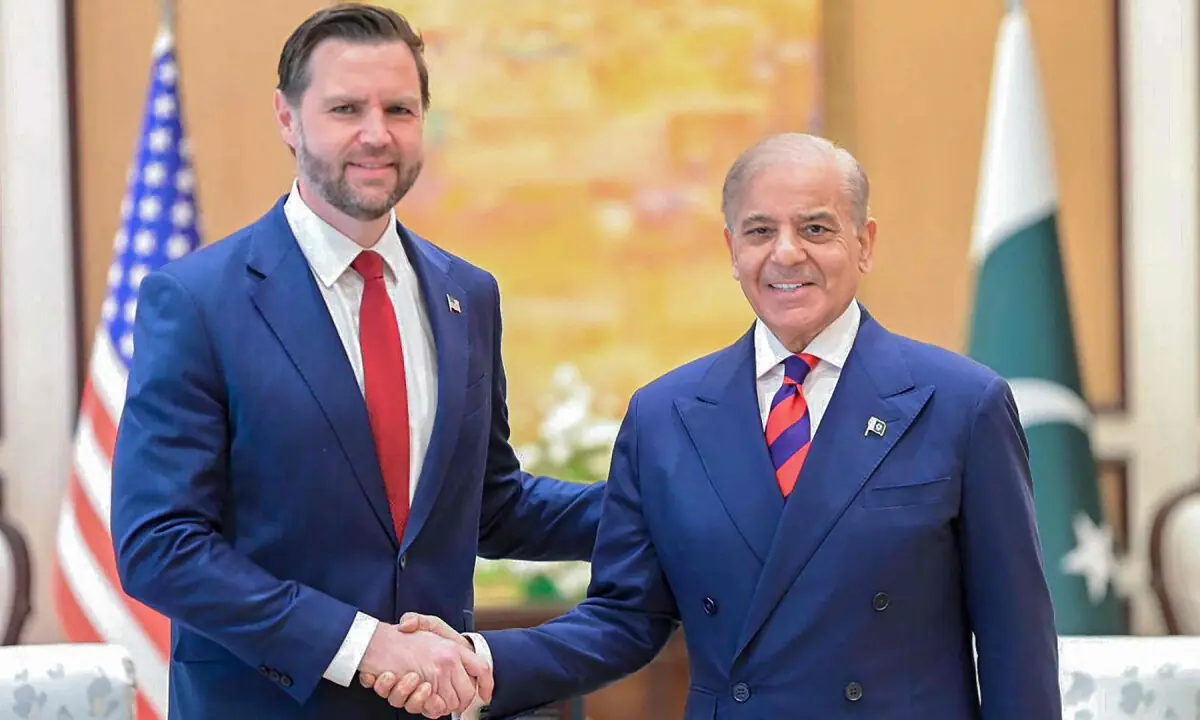 |
Sources: Dawn, The Guardian, The Hindu, Ethnos, Tanea Summary: US Vice President JD Vance, accompanied by Special Envoy Steve Witkoff and Jared Kushner, arrived in Islamabad and met PM Shehbaz Sharif to launch peace talks aimed at achieving “durable peace in the region” and potentially ending the war against Iran. Iran’s delegation also met with PM Sharif separately. The format of direct US-Iran engagement remained unclear, and Vance publicly warned Tehran against trying to “play” Washington. Why It Matters: These are the highest-level US-Iran diplomatic contacts since the outbreak of hostilities, with Pakistan positioning itself as a neutral broker. Success or failure here could determine whether the devastating Strait of Hormuz blockade — and its global economic fallout — comes to an end. |

Disputed Reports: US Agreed to Unfreeze Iranian Assets
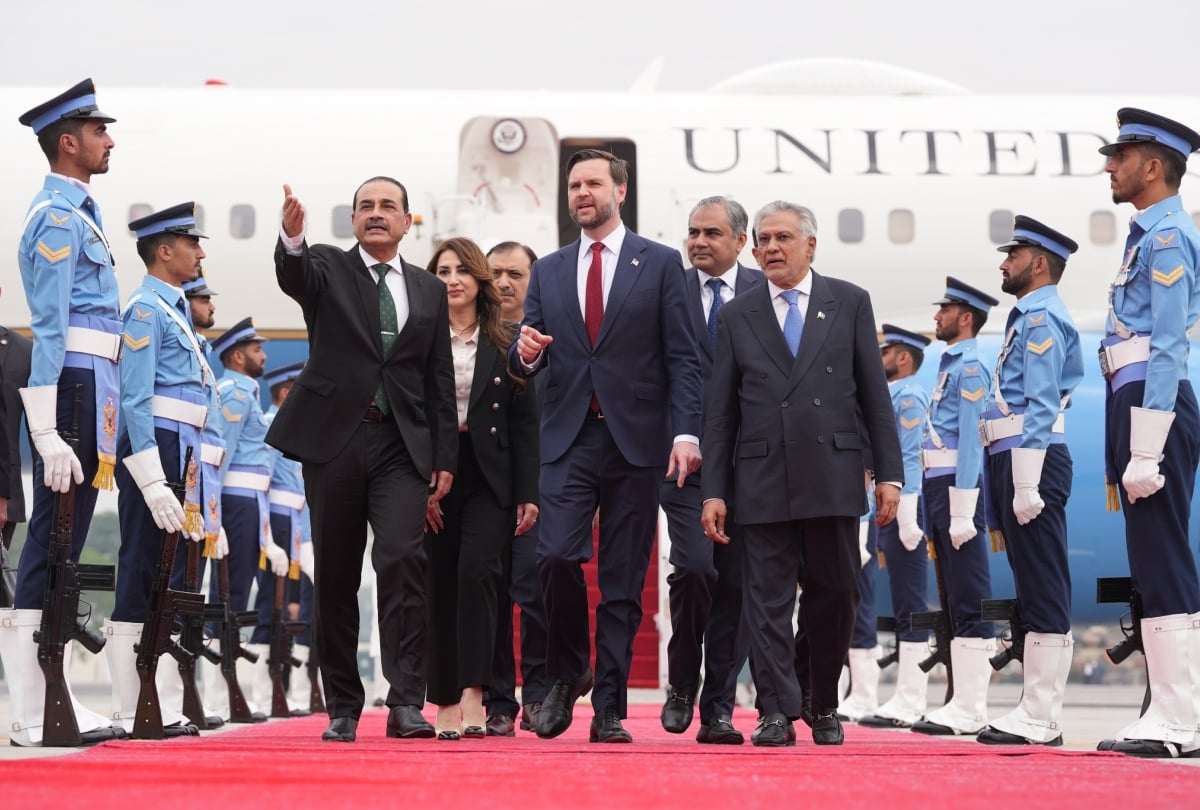 |
Sources: Tanea, Ethnos, The Hindu, Reuters (via Tanea) Summary: An Iranian official told Reuters that Washington agreed to release frozen Iranian assets held in Qatar and other foreign banks, calling the move a sign of US “seriousness” about reaching a deal. Iran characterised the unfreezing as linked to guaranteeing free passage through the Strait of Hormuz. However, a US official explicitly denied the report. Why It Matters: If confirmed, asset unfreezing would represent the most significant US concession to Tehran since the conflict began and could unlock broader negotiations. The sharp White House denial suggests the two sides remain far apart, or that Washington is managing domestic political optics ahead of substantive talks. |

UK to Host Strait of Hormuz Summit Next Week
Sources: The Guardian
Summary: Britain announced it will convene a multilateral meeting aimed at restoring free movement of ships through the Strait of Hormuz. A British official told AP the meeting will oppose any toll-charging scheme for passage through the strait, which Iran has blockaded since the start of the war.
Why It Matters: The Hormuz blockade has inflicted severe damage on the global economy, driving crude prices up roughly 67% in a single month. A coordinated international response could increase pressure on Iran while offering a parallel diplomatic track to the Islamabad talks.
Keiko Fujimori Promises Immigrant Expulsion and Trump Alignment in Peru Campaign
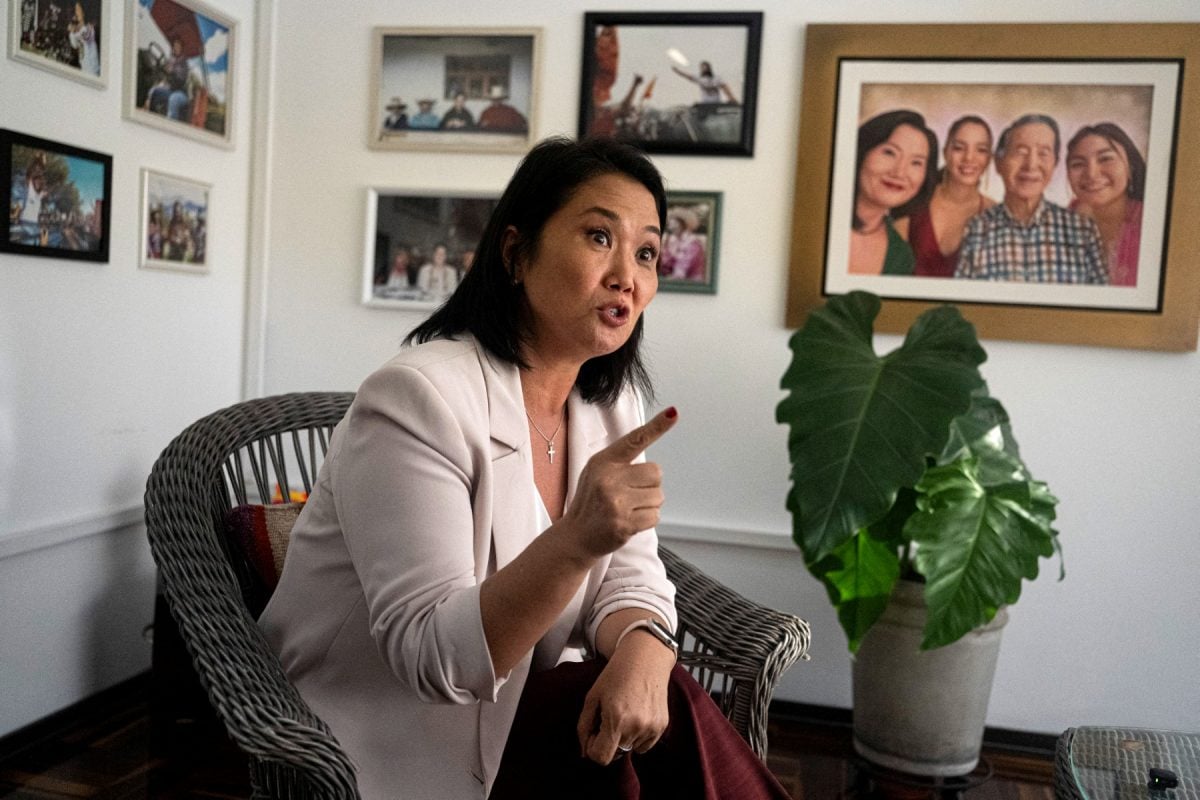 |
Sources: CartaCapital Summary: Keiko Fujimori, running again for Peru’s presidency, pledged mass expulsion of immigrants and close alignment with the Trump administration if elected. Her main rivals include a comedian, a businessman, an 80-year-old centrist politician, and the political heir of former President Pedro Castillo. Why It Matters: Fujimori’s platform mirrors the hardline immigration postures spreading across the Americas and signals a potential rightward shift in Peruvian foreign policy — with direct implications for regional migration flows and US-Latin America relations. |

Germany’s Coalition Debates Energy Price Relief
 |
Sources: Der Spiegel Summary: Germany’s governing coalition will meet over the weekend to decide on measures to combat rising fuel costs and inflation. Options on the table range from fuel price caps and increased commuter allowances to a speed limit, with each carrying distinct cost and distributional implications. Why It Matters: With the Hormuz blockade pushing global energy prices skyward, Germany — Europe’s largest economy — faces acute pressure to shield consumers. The chosen policy mix will signal how European governments balance fiscal prudence with public relief amid the ongoing energy shock. |

Global Oil Crisis Hits India Harder Than China
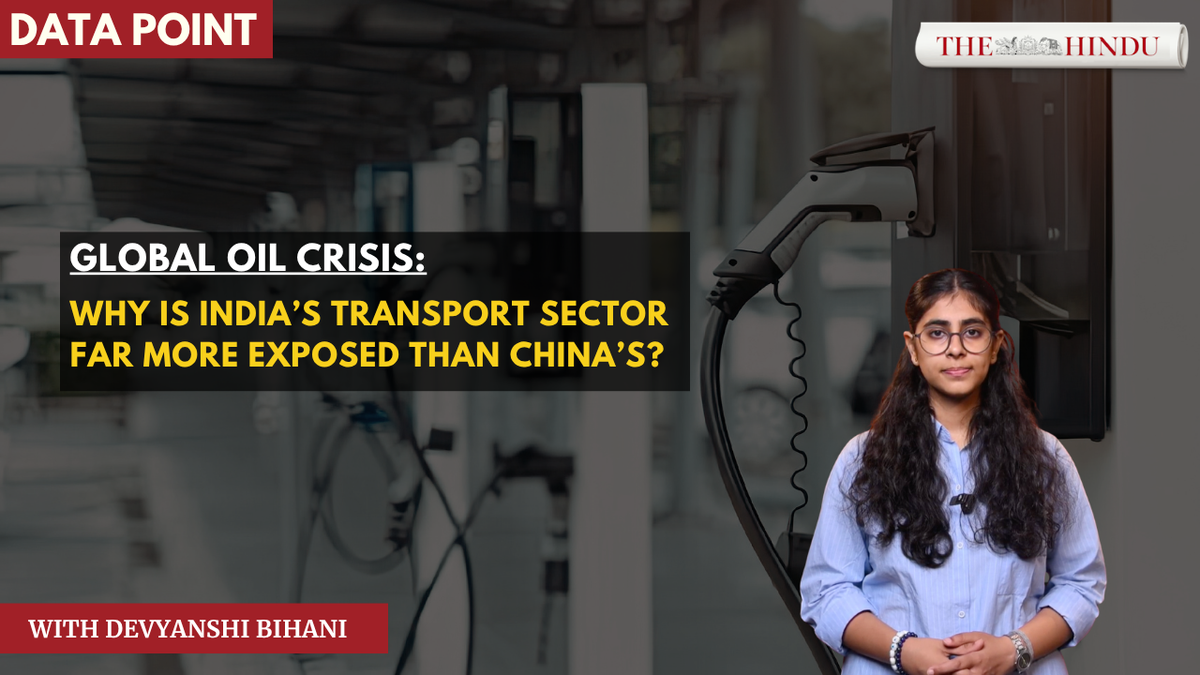 |
Sources: The Hindu Summary: As crude prices surged nearly 67% within a month due to the West Asia conflict, analysis shows India’s transport sector is far more exposed than China’s. China’s rapid adoption of electric vehicles has substantially reduced its fossil-fuel dependence, while India remains overwhelmingly reliant on petrol and diesel, with stark gaps in EV adoption and charging infrastructure. Why It Matters: The divergence underscores how energy-transition investments translate directly into geopolitical resilience, and raises questions about India’s economic vulnerability if the Hormuz crisis persists. |

Regional Roundup
Americas
- Peru election: Keiko Fujimori campaigns on immigrant expulsion and a pro-Trump foreign policy, facing a fragmented field of rivals. (CartaCapital)
Europe
-
Germany weighs fuel price caps, commuter allowances, and a speed limit to address energy-driven inflation this weekend. (Der Spiegel) 
Greece celebrates Orthodox Holy Saturday: the Holy Fire ceremony took place live from Jerusalem, while crowds gathered in Corfu for the traditional “Botides” First Resurrection festivities. (Ethnos) - UK announces a multilateral Strait of Hormuz meeting next week to push for free navigation and oppose toll-charging. (The Guardian)
Middle East & Africa
-
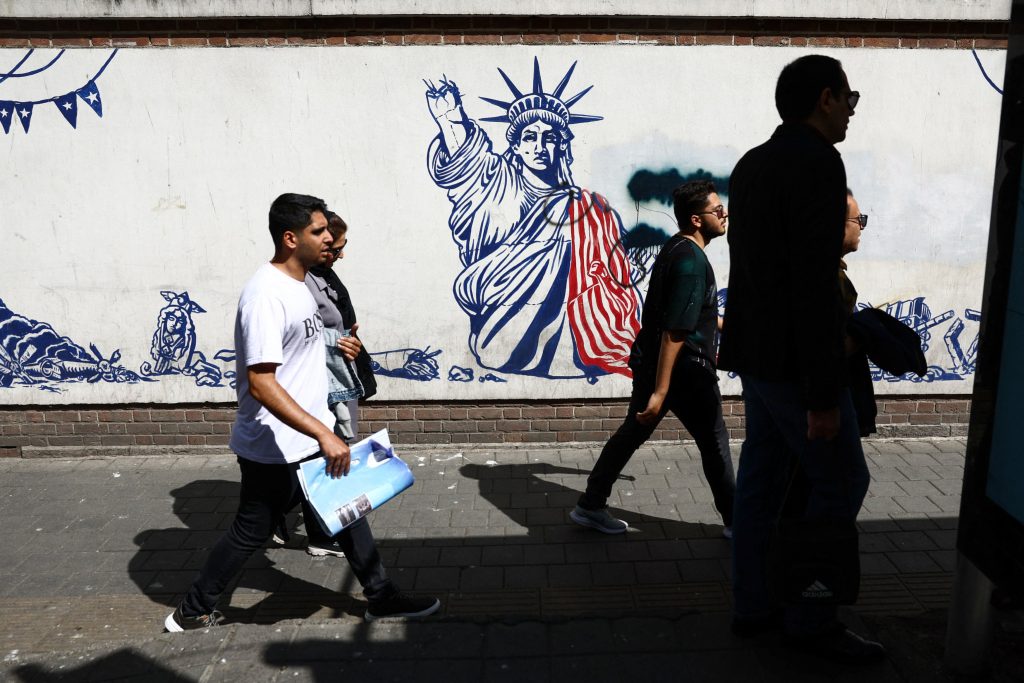
Iran-US talks open in Islamabad; contested reports of a US agreement to unfreeze Iranian assets are denied by the White House. (Dawn, The Guardian, The Hindu, Tanea, Ethnos) - AFCON referee barred from 2026 World Cup: Congolese referee Jean-Jacques Ndala, who officiated the controversial Morocco–Senegal Africa Cup of Nations final, has been excluded from the 2026 FIFA World Cup referee list. (Tanea)
Asia-Pacific
-
Pakistan hosts Islamabad peace talks; PM Shehbaz meets both US VP Vance and Iran’s delegation. (Dawn, The Guardian) - India: PM Modi rallies in West Bengal ahead of assembly elections, promising accelerated CAA implementation for refugee families. Chief Justice Surya Kant says India cannot reach a $10 trillion economy “by capital or policy alone.” (The Hindu)
- India: Tamil Nadu police probe the leak of unreleased film Jana Nayagan starring TVK leader Vijay. (The Hindu)
Transparency & Press Freedom
No dedicated transparency or press-freedom stories appeared in today’s feed. However, the sharp contradiction between Iranian and US accounts of an asset-unfreezing agreement highlights the challenge of verifying diplomatic claims in real time during active conflict — a reminder of the critical role independent journalism plays in holding both sides accountable.
Sources
- https://www.dawn.com/news/1990743/stepping-stone-toward-durable-peace-pm-shehbaz-meets-us-vp-vance-as-islamabad-talks-commence
- https://www.theguardian.com/world/live/2026/apr/11/middle-east-crisis-live-iranian-officials-arrive-in-islamabad-for-conditional-peace-talks-with-us
- https://www.thehindu.com/news/international/iran-israel-us-war-west-asia-conflict-live-updates-on-april-11-2026/article70850012.ece
- https://www.tanea.gr/2026/04/11/world/reuters-oi-ipa-symfonisan-na-ksemplokaroun-iranika-kefalaia-gia-to-anoigma-ton-stenon-tou-ormouz/
- https://www.ethnos.gr/World/article/404441/iranosaxiomatoyxosoihpasymfonhsanstoxepagomairanikonperioysiakonstoixeion
- https://www.cartacapital.com.br/mundo/keiko-fujimori-promete-expulsao-de-imigrantes-e-aproximacao-com-trump-se-vencer-eleicao-no-peru/
- https://www.spiegel.de/wirtschaft/service/energiepreise-diese-optionen-zur-entlastung-liegen-nun-auf-dem-tisch-a-d5e9637c-efd7-414e-ad8e-e7d83b3f6d62#ref=rss
- https://www.thehindu.com/videos/shows/watch-global-oil-crisis-why-is-indias-transport-sector-far-more-exposed-than-chinas/article70850682.ece
- https://www.thehindu.com/elections/assembly-elections-live-tamil-nadu-assam-west-bengal-kerala-puducherry-live-updates-april-11-2026/article70850064.ece
- https://www.thehindu.com/news/national/bharat-cannot-become-10-trillion-economy-by-capital-or-policy-alone-cji-surya-kant/article70850615.ece
- https://www.thehindu.com/news/national/tamil-nadu/jana-nayagan-tn-police-launch-probe-into-leak-of-tvk-leader-vijays-film/article70850527.ece
- https://www.ethnos.gr/ekklisia/article/404445/livehtelethtoyagioyfotosapotaierosolyma
- https://www.ethnos.gr/greece/article/404438/kerkyraplhthoskosmoystoysmpothdesgiathnprothanastash
- https://www.tanea.gr/2026/04/11/sports/football/ektos-mountial-o-diaititis-tou-epeisodiakou-telikou-maroko-senegali/