Executive Summary
Russia unleashed its largest combined drone-and-missile barrage on Ukraine in months, killing at least 15 and prompting President Zelenskyy to declare Moscow “does not deserve” sanctions relief. India’s Parliament is convulsed by debate over a Delimitation Bill and the Nari Shakti Vandan Amendment Bill for 33 % women’s reservation, with Tamil Nadu’s Chief Minister publicly burning a copy of the delimitation legislation. In Germany, a pro-Iranian terrorist group has claimed responsibility for a firebomb attack on an Israeli restaurant in Munich, with investigators not ruling out Iranian intelligence involvement. Meanwhile, Pakistan reported a strong $1.07 billion current-account surplus in March, and economists called for a windfall-profits tax on energy companies benefiting from the Middle East conflict.
Top Stories
Russia Launches Biggest Strikes on Ukraine in Months, Killing at Least 15
 |
Sources: New York Times, The Guardian Summary: Russia struck Kyiv, Odesa and Dnipro with nearly 700 drones and 19 ballistic missiles in its most intense combined attack in months, killing at least 15 people and hitting civilian infrastructure including a warehouse in Kyiv. President Zelenskyy said Russia “does not deserve” any lifting of sanctions, and the European Commission echoed that sanctions relief would undermine pressure on Moscow. Why It Matters: The escalation comes as some Western voices have floated easing sanctions as a diplomatic lever; the scale of the attack strengthens Kyiv’s argument that military pressure, not concessions, is needed. |

India’s Parliament Debates Delimitation and Women’s Reservation Bills
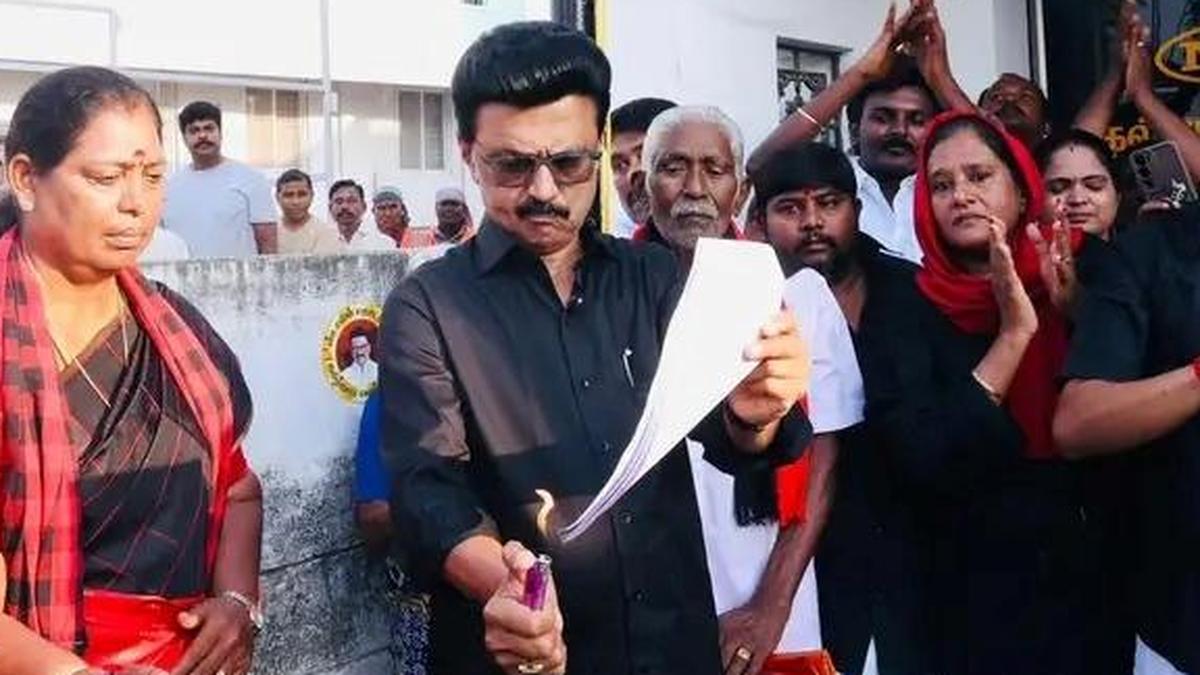 |
Sources: The Hindu Summary: PM Modi introduced the Nari Shakti Vandan Amendment Bill for 33 % women’s reservation in Parliament, calling it non-partisan and fair to all states. However, Tamil Nadu CM M.K. Stalin burned a copy of the companion Delimitation Bill in Namakkal, calling it a “black law,” while West Bengal CM Mamata Banerjee warned that linking women’s reservation to delimitation threatens her state. Voting on both Bills is scheduled for Friday. Why It Matters: The bills touch India’s deepest federal fault lines—southern states fear losing parliamentary seats to faster-growing northern states in any redistricting exercise, making passage politically volatile ahead of assembly elections in multiple states. |

Pro-Iranian Terror Group Claims Munich Israeli Restaurant Attack
 |
Sources: Der Spiegel Summary: Munich prosecutors confirmed the existence of a claim-of-responsibility video from a pro-Iranian terrorist group for a firebomb attack on an Israeli restaurant in the city. Experts say involvement of Iranian intelligence services is plausible. Why It Matters: The incident highlights the widening spillover of Middle East tensions into European domestic security, adding pressure on Berlin to tighten surveillance of Iran-linked networks. |

No Dates Set for Second Round of US-Iran Negotiations
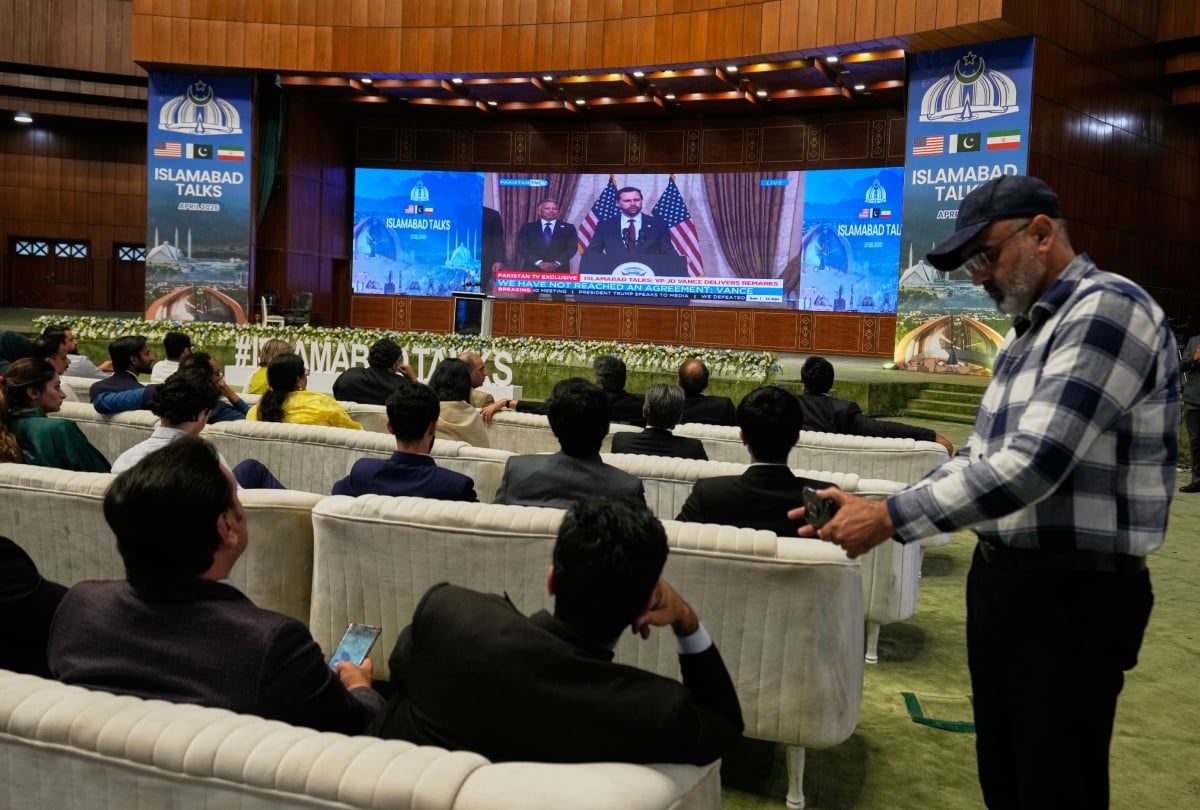 |
Sources: Ethnos, Tanea Summary: A Pakistani Foreign Ministry spokesperson confirmed that while progress has been made in US-Iran talks, “several issues remain open” and no dates have been fixed for a second round of negotiations. Economists meanwhile called for a windfall-profits tax on energy firms benefiting from war-driven price spikes. Why It Matters: Stalled diplomacy keeps oil markets jittery and boosts the case for fiscal tools—such as the windfall tax proposed by Nobel laureate Joseph Stiglitz’s ICRICT commission—to cushion consumers from energy-price shocks. |

Pakistan Posts $1.07 Billion Current-Account Surplus in March
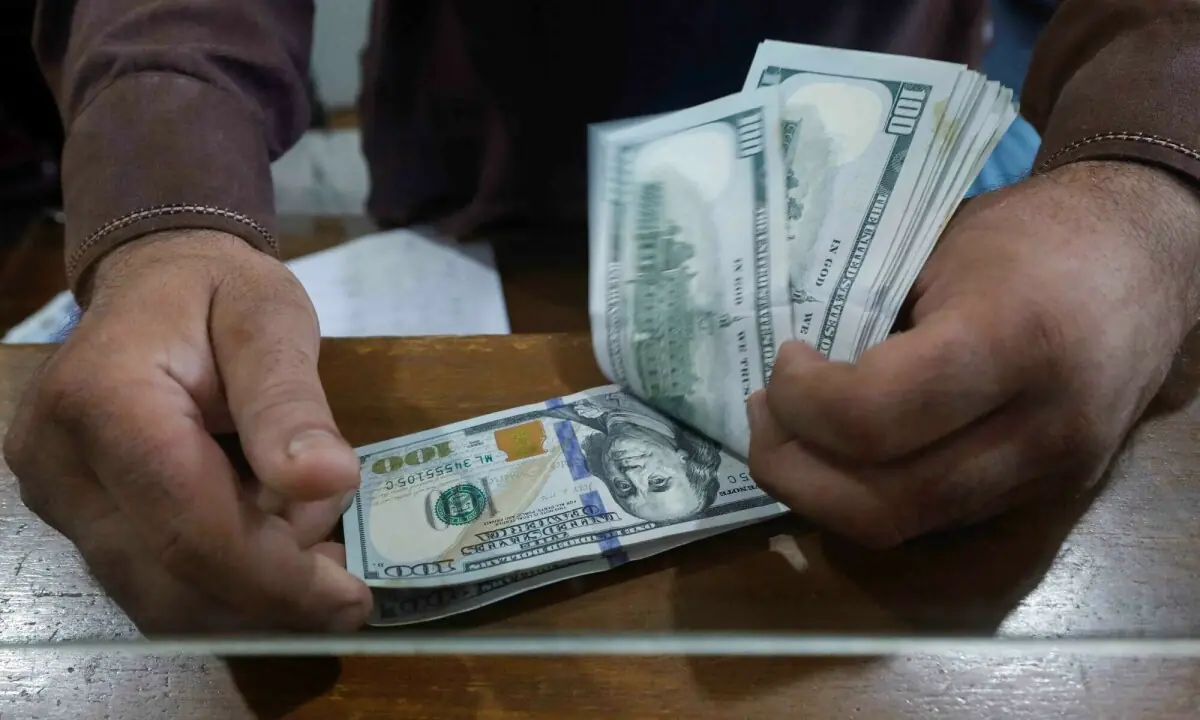 |
Sources: Dawn Summary: Pakistan recorded its third consecutive monthly current-account surplus in 2026, with March’s $1.07 billion figure far exceeding February’s $231 million. Finance adviser Khurram Schehzad called it “among the strongest monthly outcomes on record.” PM Shehbaz Sharif, on a regional tour, met Qatar’s Emir in Doha and stressed de-escalation and dialogue. Why It Matters: The sustained surplus eases Pakistan’s perennial balance-of-payments pressure and strengthens Islamabad’s hand in ongoing IMF discussions, while the diplomatic outreach signals Pakistan’s bid to position itself as a regional mediator. |

Regional Roundup
Europe
- Greece – Heated parliamentary debate on rule of law: PM Mitsotakis took aim at the European Public Prosecutor’s Office, while SYRIZA leader Famellos called him “a compromised and blackmailed prime minister” and PASOK’s Androulakis asked whether Mitsotakis wanted “to go down in history as a Greek Nixon or Orbán.” (Ethnos, Tanea)
- Greece – Ionian Sea drilling contract signed: Athens ratified a drilling agreement for “Block 2” in the northwestern Ionian, hailed as a geopolitical and energy milestone. (Tanea)
-

Germany – Fuel prices drop significantly: Petrol and diesel prices fell notably, with German prices normalising compared to neighbouring countries even as political debate over a fuel-tax rebate continues. (Der Spiegel) - Norway – Murder suspect arrested during TikTok livestream: A 35-year-old murder suspect was apprehended by police during a live broadcast on TikTok. (Dagbladet)
Americas
-
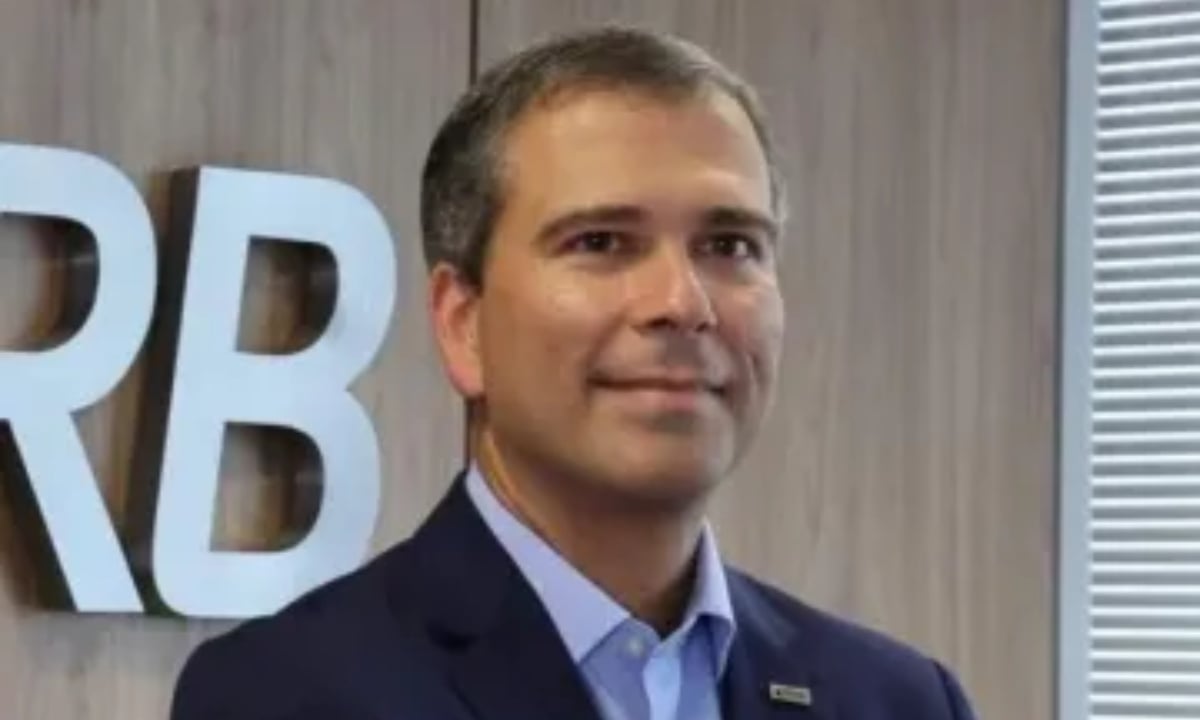
Brazil – Former BRB bank president arrested: Federal police detained Paulo Henrique Costa as part of a money-laundering probe linked to Daniel Vorcaro’s Banco Master. (CartaCapital) - Peru – Court reaffirms suspended prison sentence for Rospigliosi: A Peruvian court upheld the nine-month suspended sentence against former minister Fernando Rospigliosi. (La República)
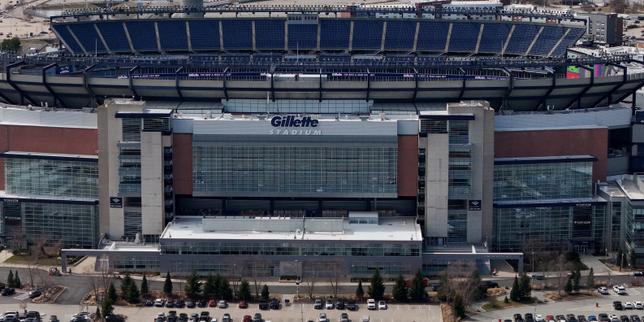
2026 World Cup – Transport costs anger fans: After backlash over ticket prices, the cost of reaching US stadiums—many far from city centres—is fuelling fresh supporter frustration. (Le Monde) - Venezuela & Russia boost crude shipments; India benefits: Increased Venezuelan and Russian oil exports are finding eager buyers in India, reshaping global crude flows. (The Hindu)
Middle East & Africa
- India-Zambia critical-minerals talks stall: Negotiations over mining rights for critical minerals have hit an impasse, with New Delhi working to restart discussions amid uncertain prospects. (The Hindu)
Asia-Pacific
- India – Eight pilgrims killed in Andhra Pradesh road accident: A vehicle carrying pilgrims from Karnataka rammed a truck near Mantralayam, killing eight and injuring 12. (The Hindu)
-
Australia – Palaszczuk criticised on fuel crisis: Former Queensland premier Annastacia Palaszczuk faces accusations of hypocrisy for calling for national unity on fuel while having pursued a go-it-alone approach during COVID. (SMH, The Age) - Ford CEO warns Chinese EVs could be “devastating”: Jim Farley said the entry of cheap, state-backed Chinese vehicles into global markets poses an existential threat to American automakers. (Tanea)
Transparency & Press Freedom
-
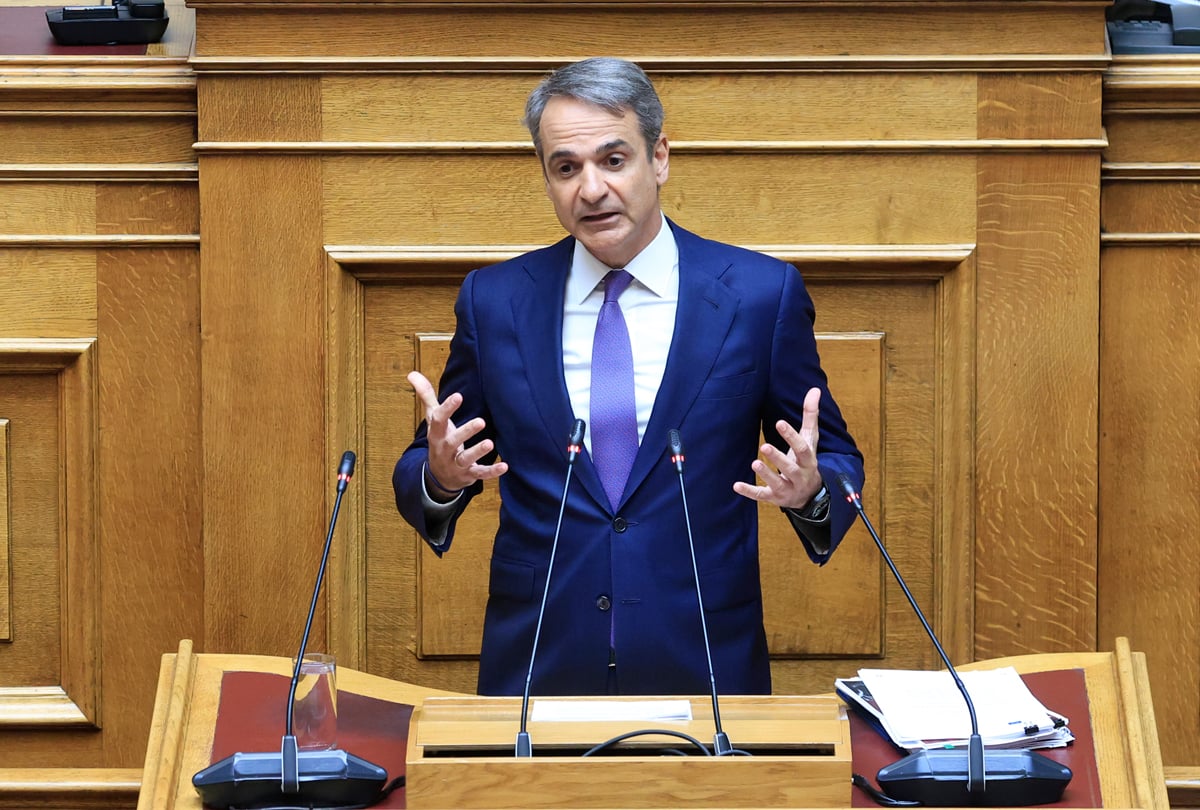
Greece – PM Mitsotakis criticises European Public Prosecutor’s Office: During a parliamentary debate on the rule of law, PM Mitsotakis made pointed remarks against the EU’s independent prosecution body, drawing sharp rebukes from opposition leaders who accused the government of undermining judicial independence and covering up corruption scandals. (Ethnos, Tanea) - France Inter journalist breaks silence on childhood abuse: Frédéric Pommier, a journalist at France Inter, has published Derrière les arbres, recounting being a victim of rape as a child—a notable act of public disclosure by a media professional. (Le Monde)
Sources
- https://www.nytimes.com/2026/04/16/world/europe/russia-ukraine-missile-drone-attacks.html
- https://www.theguardian.com/world/live/2026/apr/16/europe-russia-zelenskyy-ukraine-nato-rutte-merz-magyar-latest-updates
- https://www.thehindu.com/news/national/parliament-budget-special-session-live-april-16-women-reservation/article70867519.ece
- https://www.thehindu.com/elections/tamil-nadu-assembly/stalin-burns-copy-of-delimitation-bill-terms-it-black-law/article70867576.ece
- https://www.thehindu.com/shorts/mamata-banerjee-says-linking-womens-reservation-to-delimitation-threatens-bengal/article70868881.ece
- https://www.spiegel.de/panorama/justiz/muenchen-proiranische-terrorgruppe-reklamiert-anschlag-auf-israelisches-restaurant-fuer-sich-a-0e5ad457-c790-4db2-a30d-327e39b30f9a#ref=rss
- https://www.ethnos.gr/World/article/404939/polemossthmeshanatolhdenyparxoynhmeromhniesgiatonbgyrotondiapragmateyseonhpairan
- https://www.tanea.gr/2026/04/16/world/mesi-anatoli-oikonomologoi-proteinoyn-foro-sta-yperkerdi-etaireion-energeias-logo-polemoy/
- https://www.dawn.com/news/1992290/current-account-posts-surplus-of-107bn-in-march
- https://www.dawn.com/news/1992240/pm-shehbaz-meets-qatar-emir-stresses-importance-of-de-escalation-dialogue-amid-regional-situation
- https://www.ethnos.gr/Politics/article/404945/mhtsotakhsaixmeskatathseyropaikhseisaggeliaskaiepitheshsthnantipoliteyshgiatoxikothta
- https://www.tanea.gr/2026/04/16/politics/famellos-kyrie-mitsotaki-eiste-enas-diaplekomenos-kai-ekviazomenos-prothypourgos-eseis-eiste-to-vathy-kratos/
- https://www.ethnos.gr/Politics/article/404958/androylakhssemhtsotakhtheletenameinetesthnistoriaosellhnasnixonhormpan
- https://www.tanea.gr/print/2026/04/16/opinions/proodos-6/
- https://www.spiegel.de/wirtschaft/service/diesel-und-benzin-spritpreise-sinken-deutlich-a-d92c0a91-048f-4678-81ca-ae0deffd991e#ref=rss
- https://www.dagbladet.no/nyheter/drapssiktet-pagrepet-under-direktesending/84502749
- https://www.cartacapital.com.br/politica/pf-prende-ex-presidente-do-brb-paulo-henrique-costa/
- https://larepublica.pe/politica/2026/04/15/poder-judicial-reitera-condena-de-nueve-meses-de-prision-suspendida-contra-fernando-rospigliosi-hnews-1011240
- https://www.lemonde.fr/sport/article/2026/04/16/coupe-du-monde-2026-apres-les-prix-des-billets-pour-les-matchs-ceux-des-transports-pour-rallier-les-stades-aux-etats-unis-provoquent-la-colere-des-supporteurs_6680513_3242.html
- https://www.thehindu.com/business/venezuela-russia-step-up-crude-shipments-india-benefits/article70866091.ece
- https://www.thehindu.com/news/national/india-zambia-talks-on-critical-minerals-stall-over-mining-rights-sources/article70868723.ece
- https://www.thehindu.com/news/national/andhra-pradesh/kurnool-road-accident-near-mantralayam/article70867479.ece
- https://www.smh.com.au/national/palaszczuk-called-out-for-hypocrisy-on-fuel-crisis-20260416-p5zodi.html
- https://www.tanea.gr/2026/04/16/economy/diethni/synagermos-sti-ford-ta-kinezika-aytokinita-apeiloun-na-anatrepsoun-tin-amerikaniki-aytokinitoviomixania/
- https://www.lemonde.fr/societe/article/2026/04/16/frederic-pommier-journaliste-de-france-inter-victime-de-viols-dans-son-enfance-sort-du-silence-dans-son-livre-derriere-les-arbres_6680511_3224.html