Executive Summary
The ongoing fallout from the US-Israel strikes on Iran continues to dominate the global agenda: Pakistan warns its weekly oil bill has hit $800 million as the Strait of Hormuz remains paralysed, while the UAE’s shock exit from OPEC raises questions about the cartel’s future and the UN nuclear chief confirms Iran’s highly enriched uranium is likely stored at Isfahan. President Trump escalated rhetoric against Tehran with an AI-generated image of himself carrying a gun, warning “No more Mr Nice Guy.” Separately, Australia’s Foreign Minister Penny Wong made a high-stakes pitch to Beijing linking Chinese fuel exports to Australian iron ore — a meeting disrupted when Chinese officials attempted to physically remove Australian journalists.
Top Stories
Iran conflict drives global energy crisis as Pakistan’s oil bill soars
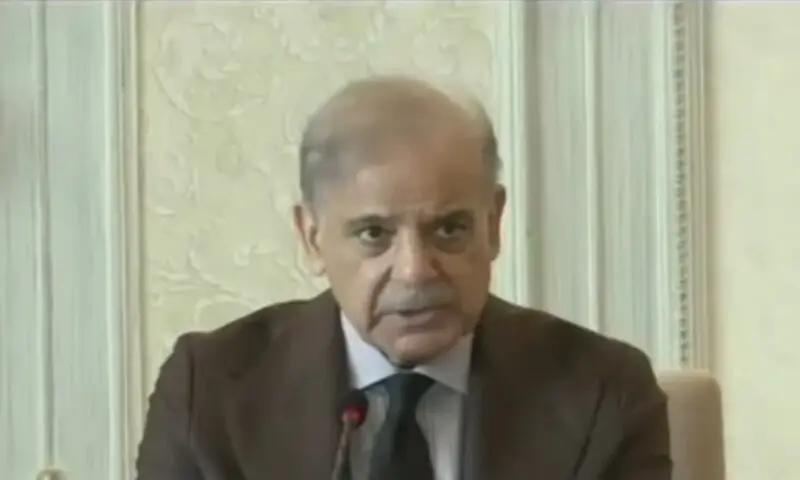 |
Sources: Dawn, The Hindu, Stuff, The Guardian, Ethnos, Tanea Summary: PM Shehbaz Sharif told his cabinet that Pakistan’s weekly oil import bill has reached $800 million as global fuel prices skyrocket following the paralysis of shipping through the Strait of Hormuz since US-Israeli strikes on Iran on 28 February. The European Commission has approved a temporary state-aid framework allowing member states to subsidise fuel and electricity for agriculture, fisheries, transport and energy-intensive industries through the end of 2026. Meanwhile, the IAEA’s Rafael Grossi confirmed a large percentage of Iran’s highly enriched uranium was stored at the Isfahan site when the 12-day war erupted in June 2025 and remains there. Why It Matters: The Hormuz bottleneck is reshaping global energy markets and fiscal planning for import-dependent nations. Continued escalation — underscored by Trump’s social-media warning and reports of a planned long-term blockade — risks a protracted supply crisis with stagflationary consequences worldwide. |

UAE exits OPEC; Russia vows to stay in OPEC+
 |
Sources: The Hindu Summary: The UAE has formally exited OPEC amid the turmoil triggered by the Iran-Israel war. Russia’s Kremlin spokesman Dmitry Peskov called OPEC+ “an important organisation,” expressing hope the UAE’s departure does not signal the group’s dissolution. OPEC+ members produced nearly half of the world’s oil and oil liquids in 2025. Why It Matters: The UAE’s exit weakens OPEC’s ability to coordinate production at precisely the moment global markets need supply stability, potentially accelerating price volatility and geopolitical fragmentation in energy governance. |

Australia’s Wong pitches energy-for-iron-ore deal to China — meeting disrupted by press removal attempt
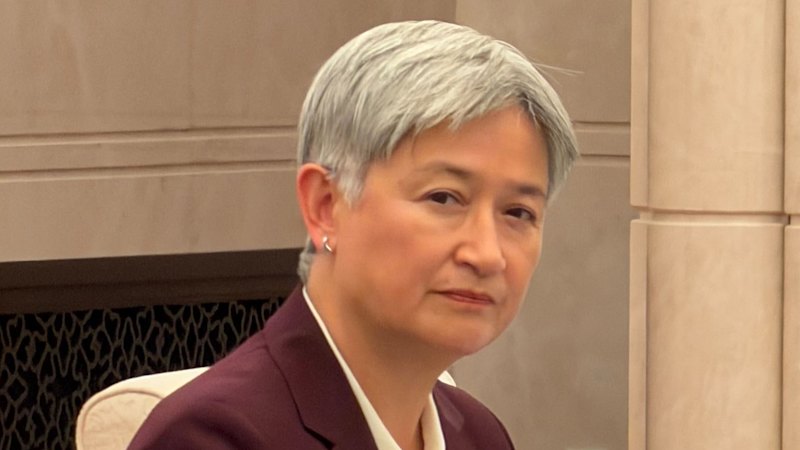 |
Sources: Sydney Morning Herald, The Age Summary: Foreign Minister Penny Wong made a direct pitch to Chinese counterparts: Australia needs reliable Chinese refined-fuel supplies to keep its iron-ore exports flowing to China. One of Wong’s meetings was disrupted when Chinese officials physically attempted to remove Australian journalists from the room. Why It Matters: The exchange reveals the depth of energy interdependence reshaping Australia-China ties and illustrates how the Hormuz crisis is forcing creative bilateral workarounds. The press-removal incident is a stark reminder of divergent norms around media access. |

Trump escalates Iran rhetoric; King Charles visits New York
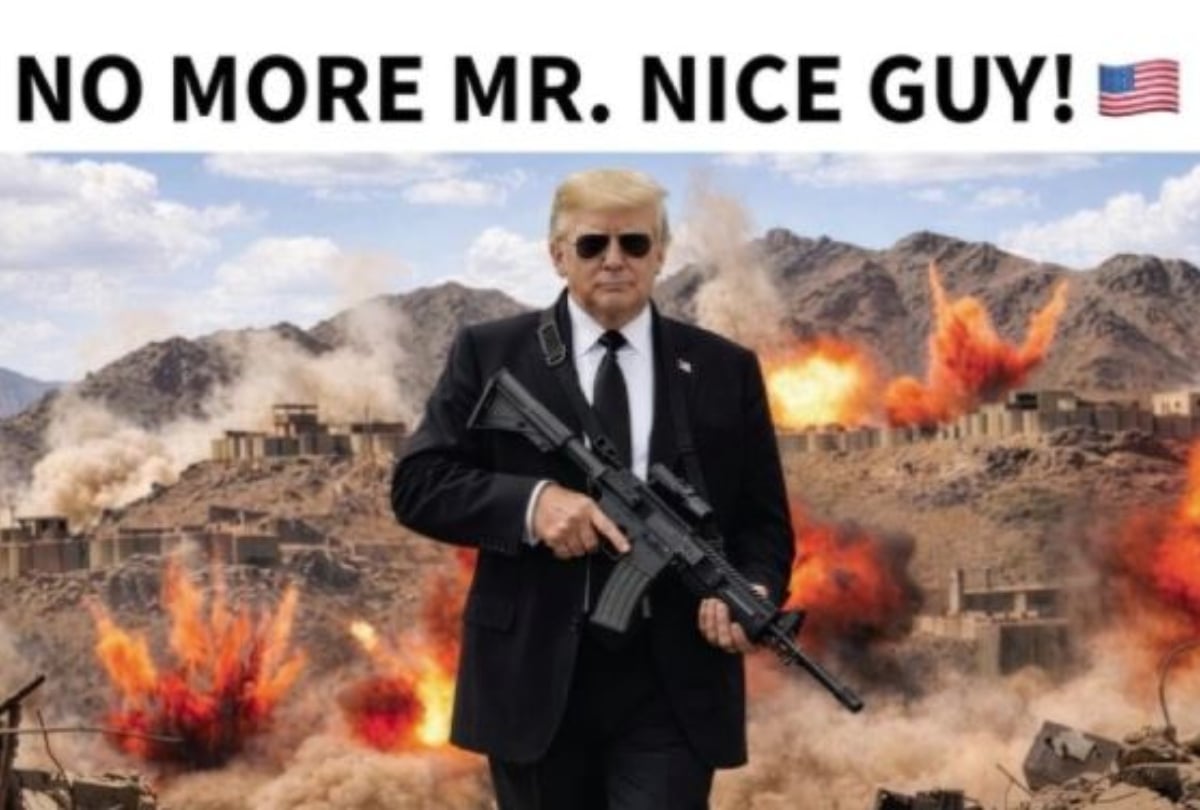 |
Sources: The Guardian, Ethnos, RT Summary: President Trump posted an AI-generated image of himself with sunglasses and a gun against a backdrop of bombings, captioned “No more Mr Nice Guy,” warning Iran to “get smart soon” and sign a non-nuclear deal. In New York, King Charles III joked about the 1814 British burning of the White House while referencing Trump’s demolition of the East Wing for a ballroom, and delivered what observers called a subtle rebuke of Trump’s NATO criticism. Why It Matters: Trump’s provocative imagery signals an appetite for further escalation, while Charles’s public quips reflect growing friction in the US-UK relationship at a sensitive moment in the Atlantic alliance. |

Russia scales down Victory Day parade over Ukrainian drone threat
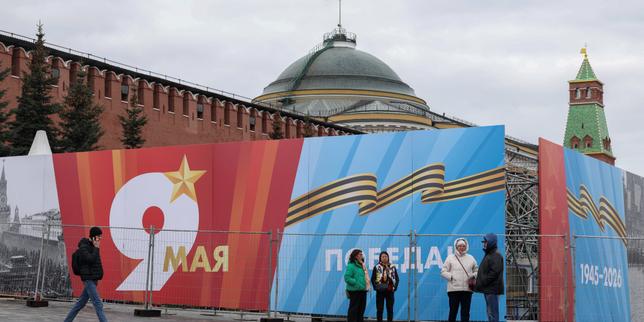 |
Sources: Le Monde Summary: Russia will hold a significantly reduced 9 May Victory Day parade on Red Square this year, citing the threat posed by Ukrainian long-range drones. The decision reflects Kyiv’s growing ability to project force deep into Russian territory. Why It Matters: Scaling back Moscow’s most symbolic military pageant is a powerful admission of vulnerability, likely to shape domestic perceptions of the war’s trajectory. |

India holds high-turnout elections in Tamil Nadu and West Bengal
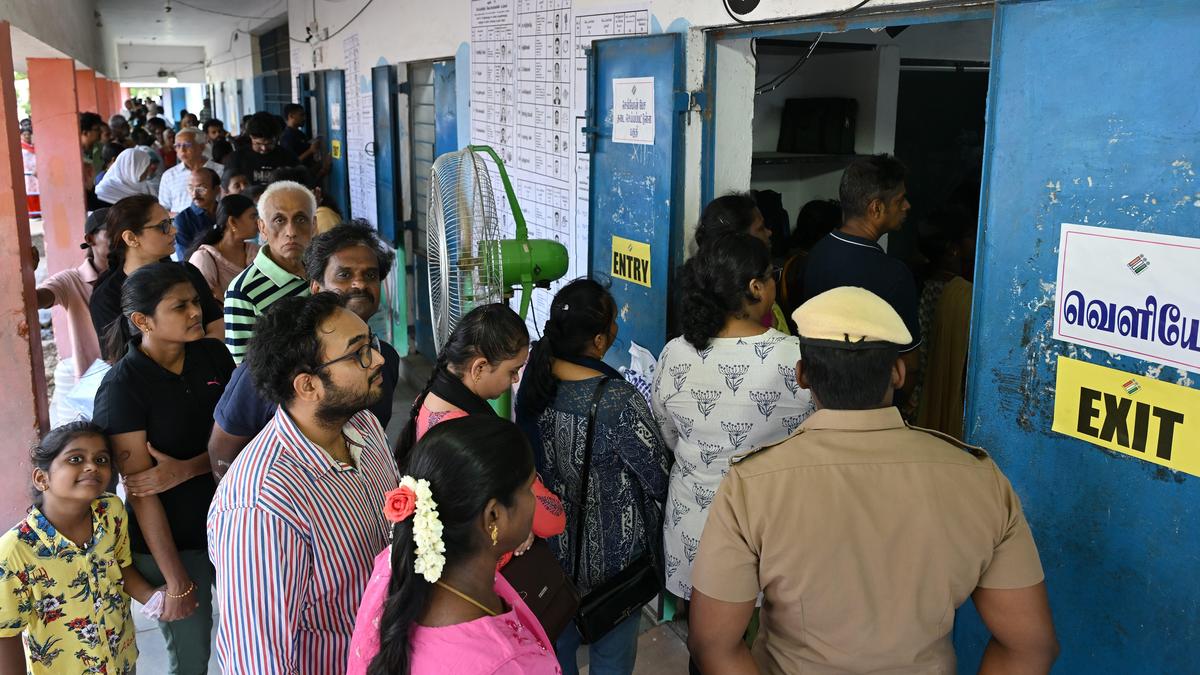 |
Sources: The Hindu Summary: Tamil Nadu’s Sholinganallur constituency saw turnout surge from 55% in 2021 to roughly 80.4%, with women outvoting men in several districts. West Bengal’s Phase 2 registered 78.68% turnout by 3 p.m. amid sporadic violence. PM Modi also inaugurated the 594-km Ganga Expressway connecting 12 districts in Uttar Pradesh. Why It Matters: The dramatic turnout increases, especially among women, signal heightened political engagement and could reshape state-level power dynamics in India’s south and east. |
Regional Roundup
Americas
- 🇺🇸 The US Supreme Court is urged to address ICE racial profiling after body-camera footage reveals a pattern of targeting Black and brown drivers during minor traffic stops. (NYT)
- 🇧🇷 Neymar expressed his hope of being called up to Brazil’s 2026 World Cup squad after Santos drew 1-1 with San Lorenzo in Copa Sudamericana. (Tanea)
Europe
- 🇪🇸 Two major Spanish corruption trials proceed: Aldama testified at the Supreme Court that he delivered cash bribes of up to €250,000 to the Transport Ministry in the pandemic-era masks scandal; separately, a police inspector in the Kitchen case said the operation against the PP’s ex-treasurer lacked judicial authorisation and that he was pressured not to implicate former PM Rajoy. (El País)
- 🇫🇷 Former President Nicolas Sarkozy testified in the Libya financing trial, denying that Muammar Gaddafi raised the judicial fate of Abdallah Senoussi during a 2007 meeting — a key plank of the prosecution’s “corruption pact” theory. (Le Monde)
- 🇩🇪 Germany’s average hourly labour cost rose to €45, among the highest in the EU, with the hospitality sector seeing the sharpest increase. (Spiegel)
- 🇮🇹

Italy’s ANPI called for investigation into possible paramilitary groups after a young man claiming ties to a “Jewish Brigade” opened fire during Rome’s 25 April Liberation Day celebrations. (L’Espresso) - 🇬🇷 Former Eurogroup chief Dijsselbloem praised Greece’s Kyriakos Pierrakakis for leading the Eurogroup. A 24-hour bus strike is planned in Thessaloniki for May Day 2026. (Ethnos)
Middle East & Africa
- 🇮🇱🇮🇷 US Congress is set to grill Defence Secretary Pete Hegseth on the West Asia conflict; Trump reportedly plans a long-term naval blockade of Iran. (The Hindu)
- 🇰🇪 Critically endangered mountain bongos have been returned to Kenya from a Czech zoo as part of a conservation reintroduction programme. (The Hindu)
Asia-Pacific
- 🇮🇳 A severe heatwave grips Uttar Pradesh, with Banda hitting 45.6°C. Kerala’s government has directed KSEB to take control of the 12-MW Maniyar hydro project amid a power crisis. (The Hindu)
- 🇦🇺 A man accused of fatally bashing Labor strategist Tim Picton has entered a not-guilty plea in court. (SMH / The Age)
Transparency & Press Freedom
-
Chinese officials attempt to remove Australian journalists during Foreign Minister Wong’s Beijing meetings, raising concerns about media access during high-level diplomatic engagements. (SMH / The Age) - Signal messenger app under fire after attacks on its users; Der Spiegel commentary criticises the app provider’s response as “miserable,” arguing Signal bears partial responsibility for the security debacle. (Spiegel)
- ICE racial profiling documented on body cameras: The New York Times editorial board calls on the Supreme Court to stop federal agents using pretextual traffic stops to target Black and brown drivers. (NYT)
Sources
- https://www.dawn.com/news/1996033/pakistans-weekly-oil-bill-reached-800m-amid-middle-east-war-pm-shehbaz
- https://www.thehindu.com/news/international/uae-opec-exit-iran-israel-war-members-roles-and-impact-on-oil-prices/article70919371.ece
- https://www.thehindu.com/news/international/russia-says-it-will-stay-in-opec-hopes-uae-exit-does-not-spell-end-of-group/article70920063.ece
- https://www.smh.com.au/world/asia/wong-speech-disrupted-by-chinese-officials-attempting-to-remove-australian-journalists-20260429-p5zs14.html
- https://www.theguardian.com/us-news/live/2026/apr/29/king-charles-new-york-donald-trump-zohran-mamdani-iran-us-politics-live
- https://www.rt.com/news/639246-king-charles-jokes-burning-white-house/
- https://www.lemonde.fr/international/article/2026/04/29/russie-une-parade-du-9-mai-en-format-reduit-par-peur-des-drones-ukrainiens_6684253_3210.html
- https://www.thehindu.com/elections/tamil-nadu-assembly/sholinganallur-registers-a-massive-jump-in-voter-turnout-compared-to-previous-assembly-election/article70903114.ece
- https://www.thehindu.com/elections/west-bengal-assembly/west-bengal-elections-2026-phase-2-voting-live-29-april-2026/article70916108.ece
- https://www.thehindu.com/news/international/iran-israel-war-live-trump-ceasefire-talks-strait-of-hormuz-updates-april-29-2026/article70918966.ece
- https://www.stuff.co.nz/world-news/360972079/irans-highly-enriched-uranium-likely-isfahan-site
- https://elpais.com/espana/2026-04-29/primer-juicio-contra-abalos-koldo-y-aldama-por-la-trama-de-las-mascarillas-en-directo.html
- https://elpais.com/espana/2026-04-29/juicio-de-kitchen-por-la-trama-de-corrupcion-policial-vinculada-al-pp-en-directo.html
- https://www.lemonde.fr/societe/article/2026/04/29/nicolas-sarkozy-repond-a-claude-gueant-au-proces-de-l-affaire-libyenne-l-ancien-president-refute-que-mouammar-kadhafi-ait-evoque-le-sort-judiciaire-de-son-beau-frere-en-2007_6684254_3224.html
- https://www.nytimes.com/2026/04/29/opinion/ice-racial-profiling-supreme-court.html
- https://www.spiegel.de/politik/signal-attacke-der-anbieter-der-messenger-app-hat-miserabel-reagiert-kommentar-a-4994b6ce-9323-4e51-b8af-9d12011cd5b3#ref=rss
- https://www.spiegel.de/wirtschaft/arbeitsstunde-in-deutschland-steigt-auf-45-euro-nur-wenige-eu-laender-teurer-a-b7526c18-442a-4777-8a39-e1e7f07c7bd4#ref=rss
- https://lespresso.it/c/attualita/2026/04/29/25-aprile-spari-roma-anpi-comunicato-gad-lerner-comunita-ebraica/61686
- https://www.tanea.gr/2026/04/29/economy/eos-70-epidotisi-se-kaysima-kai-reyma-poioi-pairnoun-eos-50-000-eyro/
- https://www.thehindu.com/news/national/uttar-pradesh/pm-modi-inaugurates-594-km-ganga-expressway/article70919485.ece
- https://www.thehindu.com/news/national/uttar-pradesh/banda-sizzles-at-456%C2%B0c-as-heatwave-grips-uttar-pradesh/article70920099.ece
- https://www.thehindu.com/sci-tech/energy-and-environment/critically-endangered-antelopes-return-to-kenya-from-czech-zoo/article70920061.ece
- https://www.smh.com.au/national/man-accused-of-killing-labor-strategist-to-fight-charge-20260429-p5zsbp.html
- https://www.ethnos.gr/Politics/article/406425/ntaiselmploympolyxaroymenospoyokyriakospierrakakhshgeitaitoyeurogroup