Executive Summary
Iran’s expanding definition of the Strait of Hormuz and threats to enrich uranium to weapons grade dominate geopolitical headlines as ceasefire talks with the United States falter. A hantavirus outbreak linked to a cruise ship has now reached 11 confirmed cases and three deaths, prompting a WHO visit to Madrid while misinformation spreads online. Australia’s Treasurer Jim Chalmers delivered an ambitious 2026 federal budget amid global economic uncertainty. The New York Times reports that Russia continues to strike U.S. businesses operating in Ukraine with no response from the White House. In the UK, embattled Prime Minister Keir Starmer told his Cabinet he will not resign despite mounting internal pressure.
Top Stories
Iran Expands Strait of Hormuz Definition, Threatens Weapons-Grade Enrichment
 |
Sources: The Guardian, New York Times, The Hindu Summary: Iran’s Islamic Revolutionary Guard Corps has expanded its operational definition of the Strait of Hormuz far beyond its traditional geographic boundaries, a move likely to infuriate Washington. Separately, a senior Iranian lawmaker warned that Tehran could enrich uranium to 90% — weapons grade — if attacked, with parliament set to review such a move. Iran’s chief nuclear negotiator told the U.S. it must accept Tehran’s latest proposal or face “failure,” after President Trump declared the fragile April 8 ceasefire was on “life support.” Why It Matters: The Strait of Hormuz carries roughly one-fifth of global oil supply. Iran’s military posturing, combined with nuclear brinkmanship, raises the stakes dramatically as diplomatic channels narrow and a ceasefire collapse becomes increasingly plausible. |

Hantavirus Outbreak Grows to 11 Cases; WHO Downplays Wider Pandemic Risk
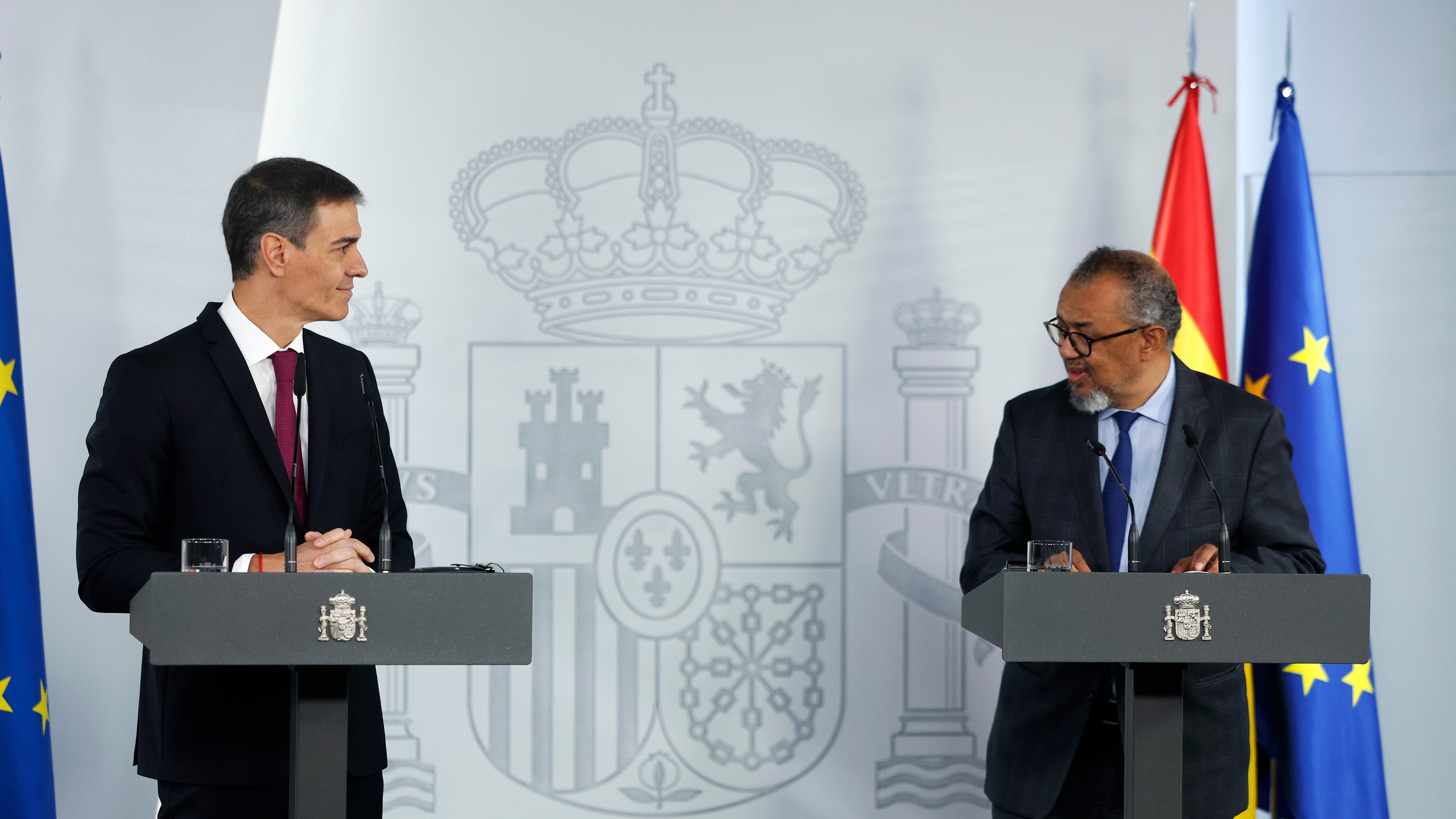 |
Sources: El País, Stuff, The Hindu, Ta Nea Summary: The WHO confirmed 11 hantavirus cases and three deaths linked to a cruise ship outbreak, with Spain reporting a new positive case among evacuated passengers. WHO Director-General Tedros Adhanom met Spanish PM Pedro Sánchez in Madrid, minimising the likelihood of a “major outbreak” while not ruling out additional positives. Meanwhile, post-COVID-style misinformation — including false claims of a “planned pandemic” or a pharmaceutical plot — has surged on social media. Why It Matters: Although hantavirus does not typically spread person-to-person efficiently, the cruise-ship vector and the speed of misinformation amplify public health management challenges and test institutional credibility built (or eroded) during COVID-19. |

Russia Keeps Striking U.S. Firms in Ukraine as White House Stays Silent
 |
Sources: New York Times Summary: Russian missile strikes have repeatedly hit American-owned businesses operating in Ukraine, including a Philip Morris factory in Kharkiv struck in January. Despite the targeting of U.S. corporate interests, the Trump White House has made no public statement or diplomatic response. Why It Matters: The silence underscores the administration’s reluctance to escalate with Moscow and raises questions about the U.S. commitment to protecting its nationals’ commercial interests in conflict zones — a historically sensitive tripwire. |
Australia’s Treasurer Delivers “Ambitious” 2026 Federal Budget
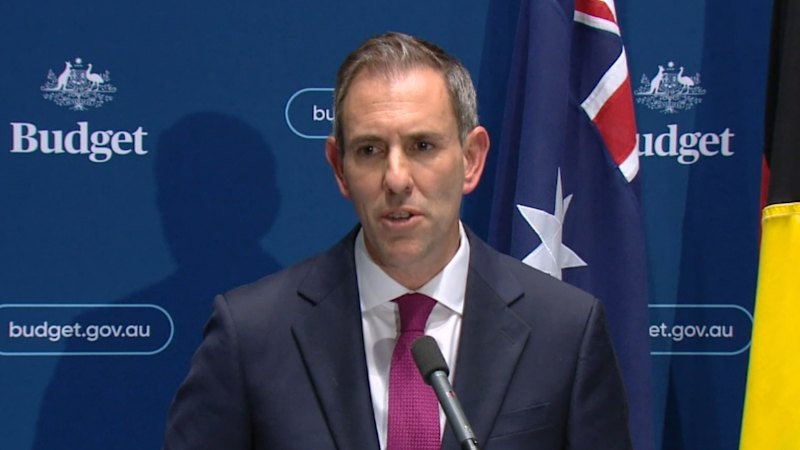 |
Sources: Sydney Morning Herald, The Age Summary: Treasurer Jim Chalmers handed down Australia’s 2026 federal budget, framing it as a response to “generational pressures” in housing, health and defence amid global economic uncertainty. Commentators noted the budget was “haunted by the ghost of Bill Shorten,” referencing ambitious spending promises and political risk. Public reaction has been mixed, with cost-of-living relief a dominant concern. Why It Matters: With trade-war headwinds and softening commodity prices, Canberra’s fiscal posture signals whether Australia will pursue counter-cyclical spending or fiscal restraint — a bellwether for commodity-exporting middle powers globally. |

UK’s Starmer Tells Cabinet He Will Not Resign
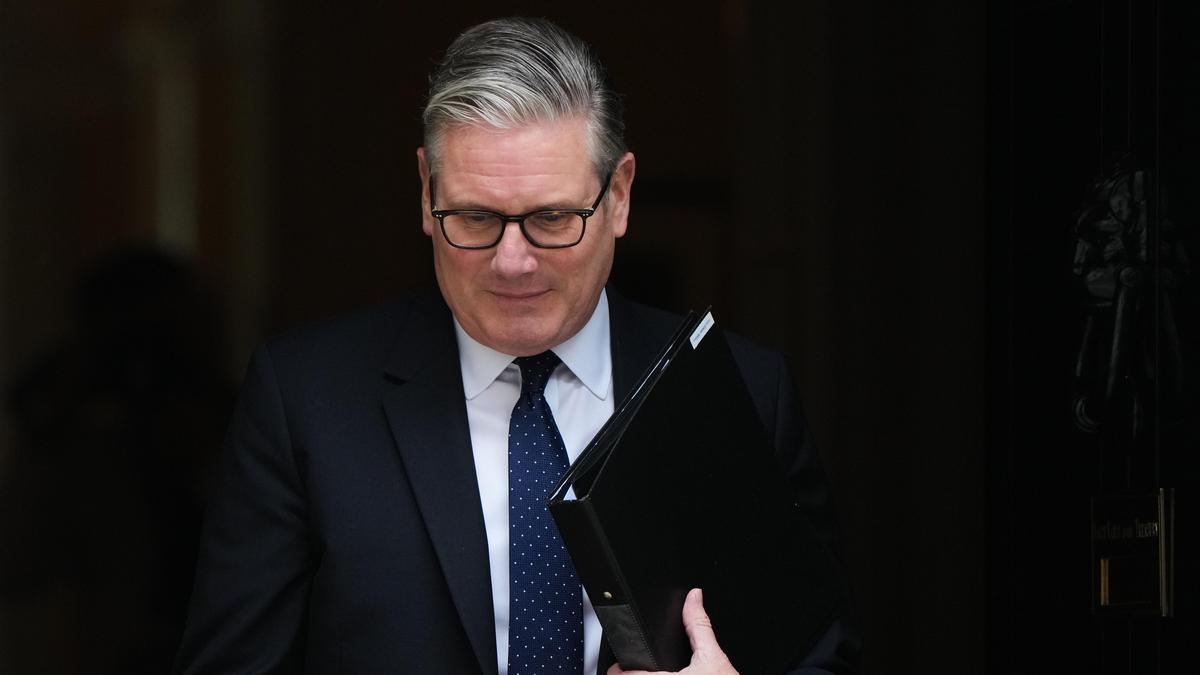 |
Sources: The Hindu Summary: British Prime Minister Keir Starmer addressed his Cabinet directly, declaring he will not step down despite mounting internal Labour pressure. Angela Rayner, Wes Streeting and Andy Burnham are all seen as potential challengers. Why It Matters: Leadership instability in Downing Street during active trade negotiations and defence commitments in Europe could weaken the UK’s hand on multiple fronts and embolden backbench revolts. |

Regional Roundup
Americas
- Brazil — Senator Ciro Nogueira under investigation: Federal Police launched the fifth phase of “Operation Compliance Zero,” targeting the former Bolsonaro chief of staff over alleged bribery and a legislative amendment that could destabilise Brazil’s Deposit Guarantee Fund (FGC). (Apublica)
-

Greenland-U.S. talks progress but no deal: Greenland PM Jens-Frederik Nielsen told the Copenhagen Democracy Summit that negotiations with Washington are advancing but no agreement has been reached. (The Hindu) Europe
- EU-Russia envoy debate dismissed by Kremlin: Kremlin spokesman Peskov said speculation over who should represent the EU in potential Russia talks is “meaningless” until Brussels commits to diplomacy. Russia’s Putin had floated former German Chancellor Schröder. (RT)
- France shelves AI copyright bill: A proposal by Senator Laure Darcos to help cultural and media industries negotiate royalties from AI companies will not reach the National Assembly floor. (Le Monde)
-
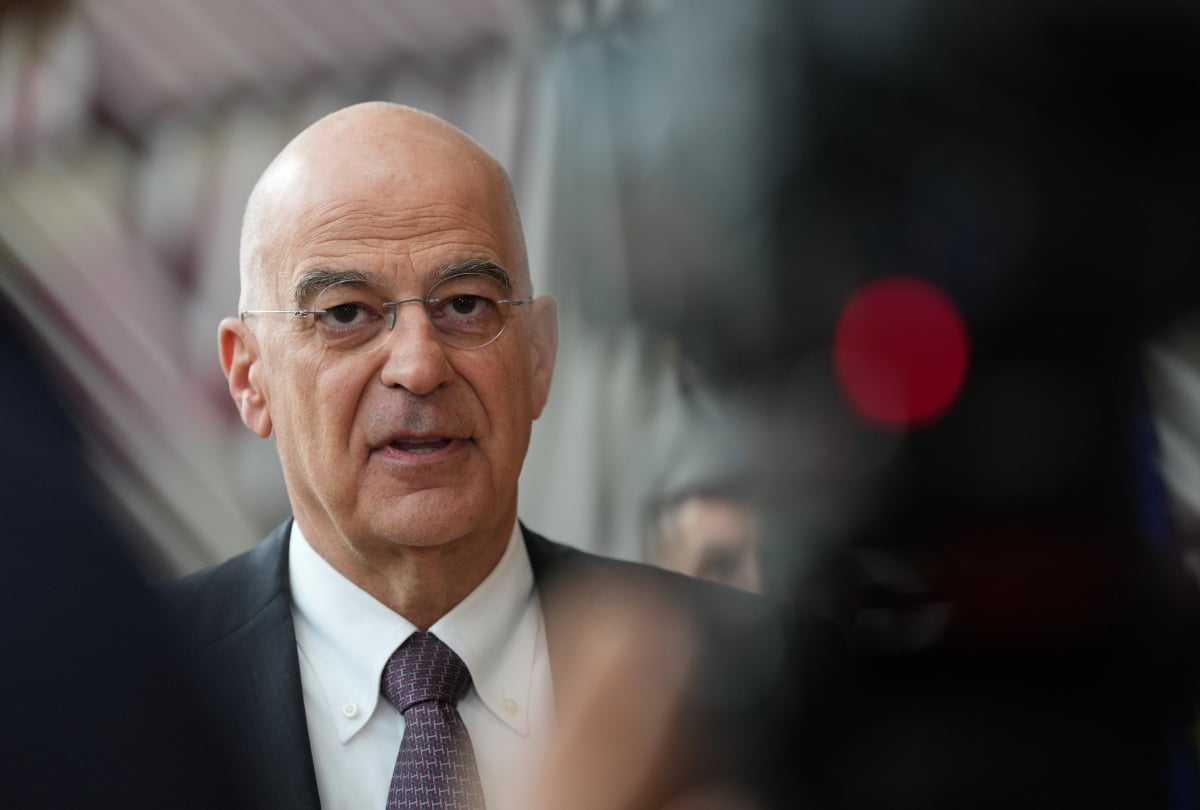
Greek defence minister confirms Ukrainian drone found off Lefkada: Defence Minister Dendias called the maritime drone’s presence “an extremely serious issue” affecting freedom of navigation. (Ethnos) - Turkey-Greece tensions: Turkish media carried inflammatory rhetoric, with some outlets claiming three-quarters of Crete belongs to Ankara and suggesting a Greek vessel may need to be “sunk.” (Ethnos)
- Spain — PP demands Zapatero explain judicial investigations: Spain’s centre-right party pressed former PM Zapatero over reported judicial probes. (El País)
Middle East & Africa
-
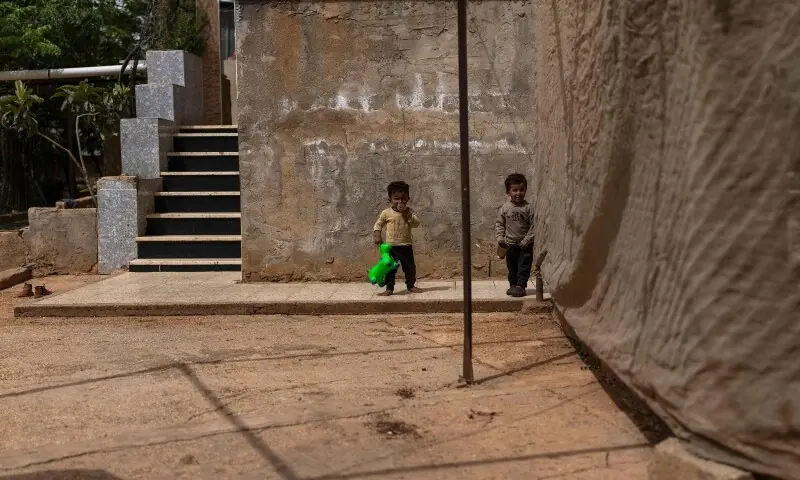
UN condemns child death toll in West Bank: UNICEF says at least 70 Palestinian children have been killed since early 2025 in Israeli military operations and settler attacks, averaging one child per week. (Dawn) - Israel deploys Iron Dome battery and personnel to UAE: A U.S. envoy confirmed the deployment, a tangible sign of deepening Israel-Gulf defence ties amid Iran tensions. (The Hindu)
Asia-Pacific
- India’s NEET-UG 2026 exam cancelled over paper-leak allegations: The CBI will investigate the leak, which affects some 22 lakh (2.2 million) medical-college aspirants. Opposition leaders demand PM Modi take responsibility. (The Hindu)
-

Pakistan experts urge adaptive deterrence against India: Strategic analysts warned that the India-Pakistan deterrence equation is becoming fragile and called for upgraded cyber, hybrid and narrative strategies. (Dawn) - Kuwait explores strategic petroleum storage in Pakistan: Both sides discussed cooperation in refining and energy-sector storage during a meeting in Islamabad. (Dawn)
- Climate study warns many plant species could vanish by 2100: Researchers simulated climate impacts on 68,000 plant species; many could lose over 90% of their habitat. (Der Spiegel)
Transparency & Press Freedom
- White House silence on Russian strikes against U.S. firms in Ukraine: The absence of any official U.S. response to repeated attacks on American-owned facilities raises accountability concerns and questions about whether economic interests in a warzone are being deliberately downplayed for diplomatic reasons. (New York Times)
- Brazil’s “Operation Compliance Zero”: Investigative reporting by Agência Pública revealed how Senator Ciro Nogueira allegedly used legislative amendments to shield financial schemes — an example of accountability journalism exposing the intersection of political and financial power. (Apublica)
- Hantavirus misinformation surge: Social media platforms are again being flooded with conspiracy theories — false claims of a “planned pandemic” and pharmaceutical plots — reprising patterns seen during COVID-19 and testing platform governance frameworks. (Ta Nea)
Sources
- https://apublica.org/2026/05/emenda-master-como-atuacao-de-ciro-nogueira-implodiria-o-fgc/
- https://elpais.com/sociedad/2026-05-12/ultima-hora-del-brote-de-hantavirus-en-directo.html
- https://elpais.com/espana/2026-05-12/el-pp-pide-explicaciones-a-zapatero-por-las-presuntas-investigaciones-judiciales-contra-el-expresidente.html
- https://www.stuff.co.nz/world-news/360977953/spain-reports-new-hantavirus-case-passenger-evacuated-fro
- https://www.dawn.com/news/1999502/adaptive-deterrence-urged-to-counter-indias-hostile-posture
- https://www.dawn.com/news/1999672/children-paying-intolerable-price-un-condemns-child-death-toll-from-israels-west-bank-operations
- https://www.dawn.com/news/1999667/kuwait-to-explore-new-opportunities-around-building-strategic-storage-in-pakistans-petroleum-sector
- https://www.nytimes.com/2026/05/12/briefing/who-owns-the-strait.html
- https://www.nytimes.com/2026/05/12/world/europe/russian-strikes-us-firms-ukraine-trump.html
- https://www.rt.com/russia/639881-eu-russia-envoy-debate/?utm_source=rss&utm_medium=rss&utm_campaign=RSS
- https://www.smh.com.au/national/treasurer-hands-down-ambitious-budget-amid-global-uncertainty-20260512-p5zw5m.html
- https://www.smh.com.au/national/budget-2026-haunted-by-the-ghost-of-bill-shorten-20260512-p5zw5i.html
- https://www.theguardian.com/world/live/2026/may/12/middle-east-crisis-us-iran-israel-donald-trump-ceasefire-peace-plan-latest-news-updates
- https://www.thehindu.com/news/international/british-prime-minister-keir-starmer-tells-cabinet-he-will-not-resign/article70969179.ece
- https://www.thehindu.com/news/international/progress-in-talks-with-us-but-no-deal-yet-greenland-pm/article70969186.ece
- https://www.thehindu.com/news/international/us-envoy-says-israel-sent-iron-dome-battery-personnel-to-uae/article70969031.ece
- https://www.thehindu.com/education/neet-ug-nta-exam-cancellation-protest-around-india-cbi-probe-paper-leak-may-12-2026-live-updates/article70969020.ece
- https://www.thehindu.com/newsletter/health-matters/health-matters-newsletter-hantavirus-ahoy/article70968980.ece
- https://www.lemonde.fr/pixels/article/2026/05/12/ia-pas-de-proposition-de-loi-sur-le-droit-d-auteur-a-l-ordre-du-jour-de-l-assemblee-nationale_6688236_4408996.html
- https://www.ethnos.gr/Politics/article/407966/dendiasoykranikotodronesthleykadaeinaienaexairetikasobarothema
- https://www.ethnos.gr/World/article/407968/tatoyrkikammeblepoynpolemomethnelladatonoktobrioisosprepeinabythisteiellhnikoskafos
- https://www.tanea.gr/2026/05/12/world/i-parapliroforisi-stin-meta-covid-epoxi-erxetai-i-pandimia-2-0-ferane-ton-xantaio-gia-na-poulisoun-emvolia/
- https://www.spiegel.de/wissenschaft/klimawandel-und-artensterben-viele-pflanzenarten-koennten-bis-2100-ausgestorben-sein-a-a29a42f7-0cd0-4477-8742-8654b1310ab3#ref=rss
- https://www.thehindu.com/news/international/iran-israel-war-us-ceasefire-talks-strait-of-hormuz-issue-live-updates-may-12-2026/article70968122.ece
Author