Executive Summary
Israel struck and killed Hamas’ top military commander Izz al-Din al-Haddad in Gaza — the first targeting of a senior militant figure since the October ceasefire deal — threatening a fragile truce. German Chancellor Friedrich Merz deepened the transatlantic rift by publicly discouraging travel to the United States under Trump. American CEOs descended on Beijing to court Chinese regulators while Secretary of State Marco Rubio adopted a notably softer tone toward China. The Iran conflict’s economic ripple effects continue to spread, with soaring diesel costs now straining US school-district budgets. In Peru, a left-wing candidate advanced to a presidential runoff against Keiko Fujimori’s populist right.
Top Stories
Israel Kills Hamas Military Commander in Gaza Airstrike
 |
Sources: Der Spiegel, RT, The Hindu Summary: Israel confirmed it killed Izz al-Din al-Haddad, head of Hamas’ military wing, in airstrikes on a residential building and a vehicle in Gaza City on Friday. At least seven people were killed and more than 50 wounded. Hamas confirmed Haddad’s death; he was reportedly a key planner of the 7 October 2023 attack on Israel. Why It Matters: The strike is the first targeting of a senior Hamas leader since the US-brokered October ceasefire deal, potentially unraveling months of fragile diplomacy and raising the risk of renewed full-scale hostilities in Gaza. |

Merz Widens Transatlantic Rift: “I Wouldn’t Advise My Children to Go to the US”
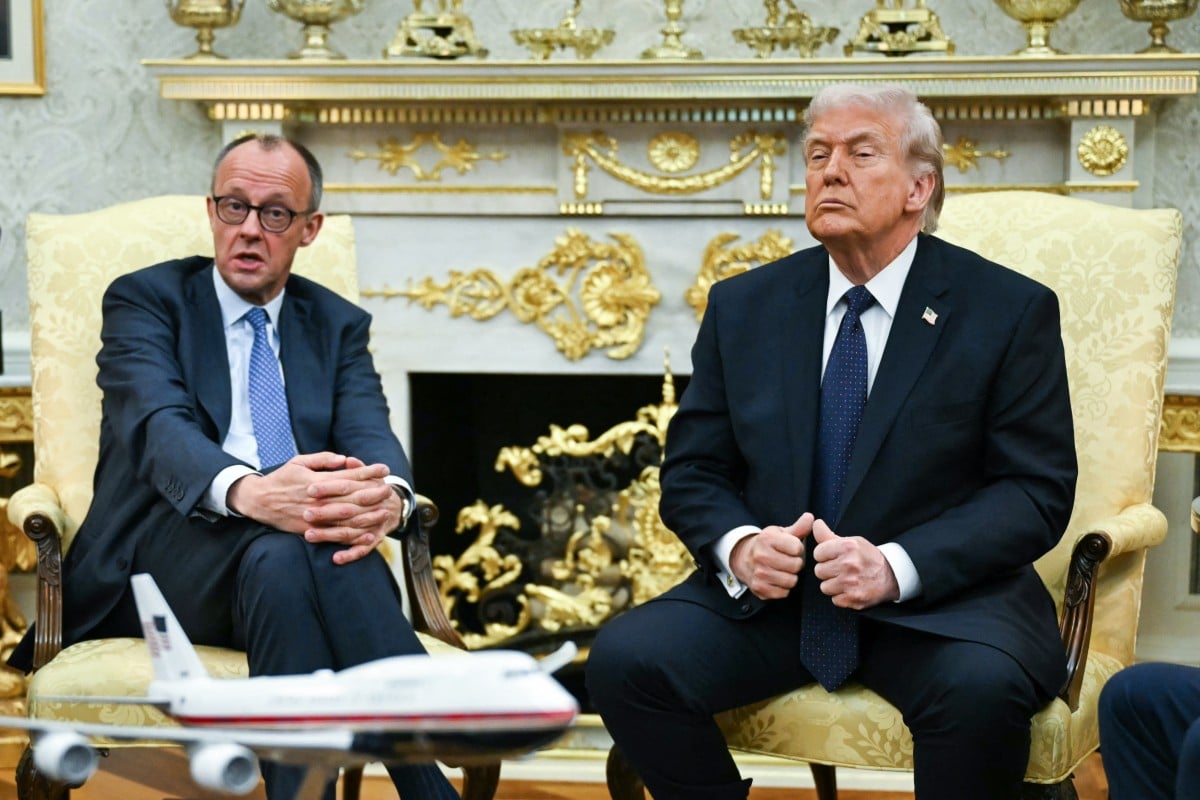 |
Sources: Carta Capital, El País Summary: German Chancellor Friedrich Merz said he would not currently recommend that his children study or work in the United States, citing the “social climate” under Trump. He added that while he still appreciates the US, his “admiration is not growing.” Why It Matters: The comments from the leader of Europe’s largest economy signal a deepening estrangement between Washington and Berlin — with implications for NATO cohesion, trade negotiations, and academic and scientific exchange programmes that have underpinned the transatlantic relationship for decades. |

US CEOs Court Beijing as Rubio Softens China Stance
 |
Sources: New York Times, Dawn Summary: Following President Trump’s praise of President Xi Jinping, CEOs from GE Aerospace, Boeing, Qualcomm, Cargill, Visa, Goldman Sachs, and Citigroup met senior Chinese officials from the commerce ministry, state planner, and central bank. Secretary of State Marco Rubio, once one of Washington’s most prominent China hawks, has conspicuously adopted a softer tone to align with Trump ahead of the president’s first second-term visit to Beijing. Why It Matters: The corporate-diplomatic blitz signals a potential thaw in US-China relations and a pragmatic recalibration by both governments, though critics will question whether Rubio’s shift undermines long-standing bipartisan concerns over human rights and technology transfer. |

Rising Diesel Costs From Iran War Strain US School Budgets
 |
Sources: Dawn (via Reuters) Summary: Soaring diesel prices triggered by the Iran conflict are draining school-district budgets across the United States, from Yakima, Washington to Waco, Texas. Districts are tapping emergency reserves to keep buses running, while remote Alaskan communities scramble to secure fuel for generators. Why It Matters: The story illustrates how geopolitical conflict transmits economic pain directly to domestic public services, adding political pressure on the administration to manage the war’s home-front costs ahead of midterm elections. |

Peru’s Left-Wing Candidate Reaches Presidential Runoff Against Fujimori
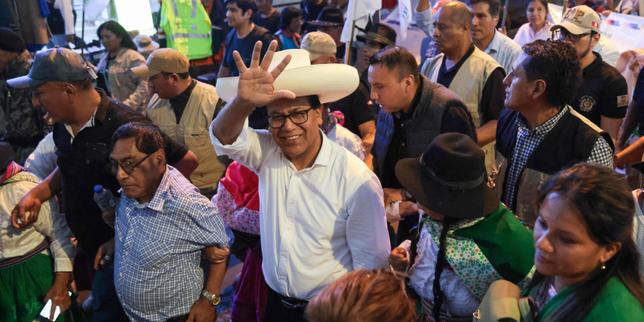 |
Sources: Le Monde Summary: Roberto Sánchez of the left-wing Juntos por el Perú party has secured a place in the presidential runoff, where he will face right-wing populist Keiko Fujimori. The result sets up a polarizing contest between sharply different visions for the country. Why It Matters: Peru has been rocked by years of political instability; the ideological gulf between the two finalists could deepen social divisions and shape the country’s economic and foreign-policy orientation for years. |

Regional Roundup
Americas
- Peru — Massive Inca citadel discovered: Archaeologists uncovered a citadel four times the size of Machu Picchu, containing nearly 3,000 sequins of gold, silver, and copper, in what could become a landmark archaeological find. (La República)
- Brazil — Presidential poll due: Datafolha will release new presidential election polling on Saturday, based on 2,004 interviews conducted 12–14 May (±2 pp margin of error). (Carta Capital)
Europe
-

Eurovision 2026 — Greece’s Akyla draws excitement: Greece’s entry “Ferto” has generated widespread enthusiasm ahead of tonight’s grand final in Vienna, with themed merchandise appearing across Thessaloniki. (Ethnos, Ta Nea) - Greece — Pan-European fake-medicine ring dismantled: Greek police participated in a major EU operation to dismantle a criminal organisation trafficking counterfeit pharmaceuticals targeting seriously ill patients across multiple countries. (Ta Nea)
- Iceland — Reykjavík municipal elections razor-tight: New polls from Maskína and Gallup show margins so thin that a handful of votes could determine which coalitions are viable. (Kjarninn/Heimildin)
- France–Algeria — Darmanin to visit Monday: French Justice Minister Gérald Darmanin will travel to Algiers to discuss judicial cooperation and the case of detained French journalist Christophe Gleizes. (Le Monde)
Middle East & Africa
-
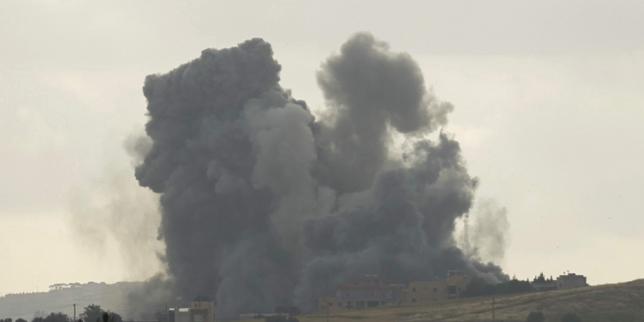
Lebanon — Israeli bombardments despite ceasefire extension: The Israeli military struck the southern Lebanese village of Kfar Tibnit the day after the ceasefire was formally prolonged, raising questions about the durability of the truce. (Le Monde) - Iraq — New Prime Minister assumes office: Ali Falih Kadhim al-Zaidi, a consensus candidate from the Coordination Framework, has taken charge as Iraq’s new PM; Indian PM Modi sent congratulations. (The Hindu)
Asia-Pacific
- India — PM Modi arrives in the Netherlands: On the second leg of a five-nation tour, Modi will hold talks with Dutch PM Jetten and meet the royal family, emphasising energy and trade ties. (The Hindu)
- India — NEET-UG 2026 biology paper leak: The CBI arrested a Pune-based biology lecturer appointed by the National Testing Agency as an exam expert, calling him the “mastermind” behind the leak. (The Hindu)
-
Australia — Fatal shark attack off Rottnest Island: A man died after being mauled by a shark off the popular Western Australian tourist destination. (SMH, The Age) - Ukraine war — Western experts see potential end: DW analysis cited by Greek outlet Ethnos examines whether a Trump loss in US midterm elections could be a decisive factor in ending the conflict. (Ethnos/DW)
Transparency & Press Freedom
-
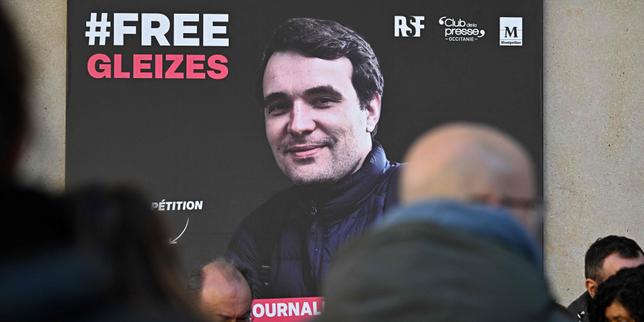
Journalist Christophe Gleizes detained in Algeria: French Justice Minister Darmanin will travel to Algiers on Monday partly to raise the case of Gleizes, a French journalist held in Algerian custody. Reporters Without Borders has organised public demonstrations demanding his release. (Le Monde) Sources
- https://www.cartacapital.com.br/mundo/nao-aconselharia-meus-filhos-a-irem-aos-eua-diz-merz/
- https://www.cartacapital.com.br/cartaexpressa/datafolha-divulga-neste-sabado-pesquisa-sobre-a-disputa-pela-presidencia/
- https://www.dawn.com/news/2000700/rising-diesel-costs-from-iran-war-strain-us-school-budgets
- https://www.dawn.com/news/2000701/us-ceos-follow-trumps-footsteps-with-diplomacy-in-beijing
- https://elpais.com/internacional/2026-05-16/merz-ahonda-la-fractura-con-trump-hoy-en-dia-no-recomendaria-a-mis-hijos-que-se-fueran-a-estados-unidos-a-estudiar.html
- https://www.lemonde.fr/international/live/2026/05/16/en-direct-guerre-au-moyen-orient-au-lendemain-de-la-prolongation-du-cessez-le-feu-l-armee-israelienne-mene-des-bombardements-dans-le-sud-du-liban_6688992_3210.html
- https://www.lemonde.fr/international/article/2026/05/16/au-perou-le-candidat-de-gauche-se-hisse-au-second-tour-de-l-election-presidentielle-et-affrontera-la-droite-populiste-de-keiko-fujimori_6689876_3210.html
- https://www.lemonde.fr/international/article/2026/05/16/gerald-darmanin-ira-en-algerie-lundi-pour-discuter-de-cooperation-judiciaire-et-du-cas-de-christophe-gleizes_6689875_3210.html
- https://www.nytimes.com/2026/05/16/us/politics/rubio-china-trump-trip.html
- https://www.spiegel.de/ausland/gaza-und-israel-hamas-militaerchef-haddad-bei-luftangriff-getoetet-a-32d4908e-13d7-4753-9b22-b3a99a6a6ac8#ref=rss
- https://www.rt.com/news/640069-israel-target-hamas-military-leader/
- https://www.thehindu.com/news/international/israel-confirms-hamas-armed-wing-chief-killed-in-gaza-strike/article70986771.ece
- https://www.thehindu.com/news/national/pm-modi-arrives-in-netherlands-on-second-leg-of-five-nation-tour/article70985872.ece
- https://www.thehindu.com/news/national/cbi-arrests-mastermind-linked-to-neet-ug-2026-biology-paper-leak/article70986701.ece
- https://larepublica.pe/ciencia/2026/05/15/arqueologos-descubren-en-peru-ciudadela-inca-4-veces-mas-grande-que-machu-picchu-con-casi-3000-lentejuelas-de-oro-plata-y-cobre-604350
- https://www.ethnos.gr/World/article/408423/plhsiazeistotelosopolemossthnoykrania
- https://www.tanea.gr/2026/05/16/greece/maimoy-farmaka-ekatommyrion-eksarthrosi-diethnoys-kyklomatos-poy-eksapatoyse-varia-nosoynt/
- https://heimildin.is/grein/26630/fa-atkvaedi-gaetu-radid-meirihlutanum/
- https://www.smh.com.au/national/man-dies-after-shark-attack-20260516-p5zxqn.html
- https://www.thehindu.com/news/international/pm-modi-congratulates-new-iraq-pm-ali-falih-kadhim-al-zaidi-on-assuming-charge/article70986564.ece