Executive Summary
The day’s biggest story is the emerging US-Iran nuclear deal, with Tehran reportedly accepting terms to suspend its nuclear programme in exchange for the lifting of oil sanctions — though a final signature remains uncertain. The G7 summit in Canada is overshadowed by divisions fuelled by President Trump’s confrontational posture. Switzerland votes decisively against capping its population at 10 million. The 2026 FIFA World Cup delivers dramatic early results, including Scotland’s first tournament win in 36 years. Britain intercepts a Russian “shadow fleet” oil tanker in the English Channel, escalating maritime tensions.
Top Stories
US-Iran Draft Deal: Tehran to Suspend Nuclear Programme in Exchange for Oil Sanctions Relief
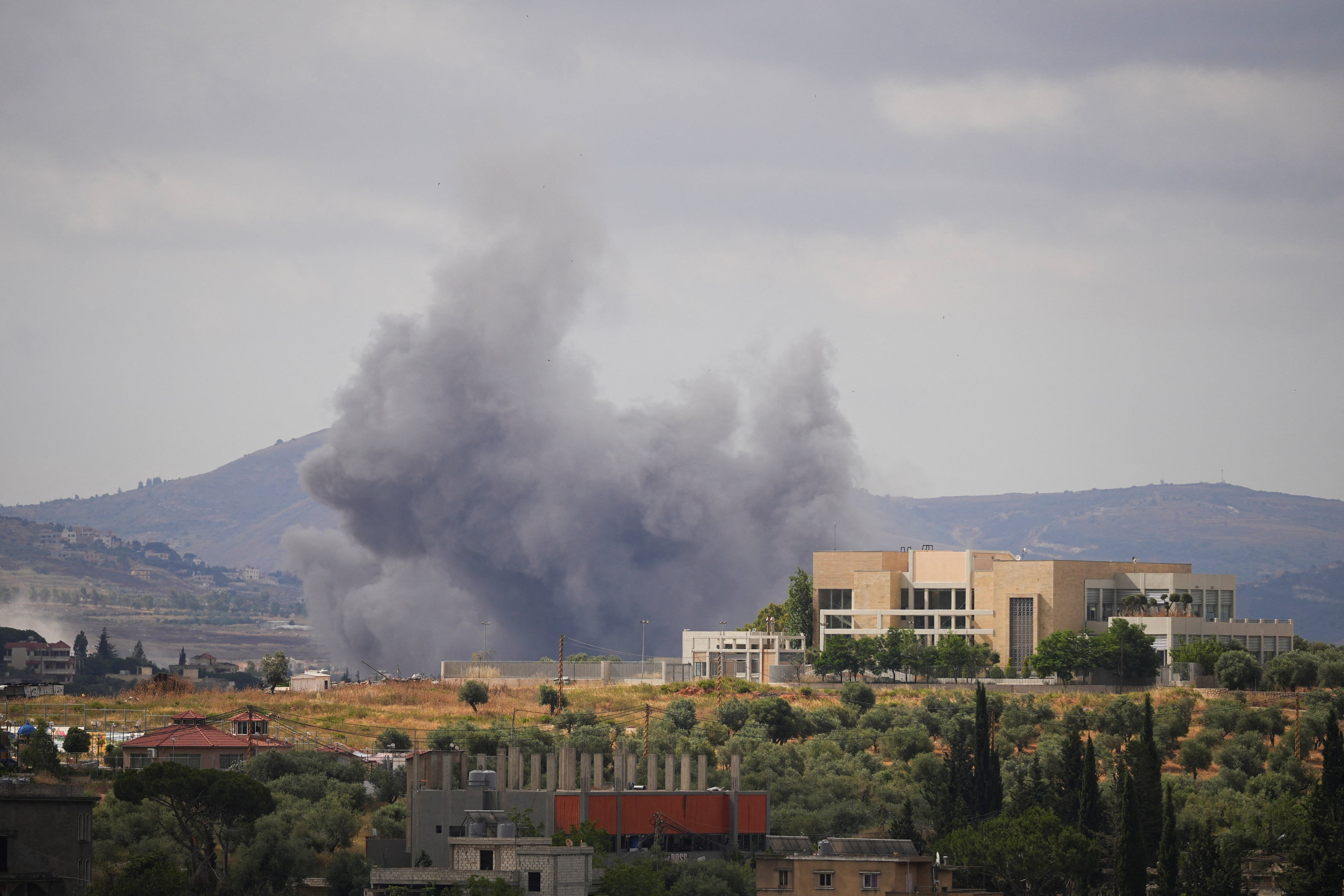 |
Sources: El País, Ethnos, The Guardian Summary: Iran says the draft agreement with the United States includes a commitment to suspend its nuclear weapons programme, while Washington would provisionally lift all sanctions on Iranian oil. President Trump stated the deal could be signed today, including the immediate reopening of the Strait of Hormuz “to all,” but sources tell media Tehran has “not yet” taken a final decision. Separately, Israel struck Hezbollah targets in Beirut’s southern suburbs, complicating the broader regional picture. Why It Matters: A signed deal would be the most significant Middle East diplomatic breakthrough in years, potentially reshaping global energy markets and easing tensions that escalated into open conflict between the US, Israel, and Iran. However, the gap between Trump’s public optimism and Iran’s hedging suggests last-minute obstacles remain. |

G7 Summit Dogged by Chaos and Divided by Trump
 |
Sources: New York Times Summary: Leaders of the Group of 7 at their summit in Kananaskis, Canada, are struggling to present a united front, with President Trump’s agenda driving deep wedges among Western allies. Key disagreements reportedly span trade, climate commitments, and the approach to the Iran negotiations. Why It Matters: A fractured G7 weakens the West’s ability to coordinate on economic sanctions, security threats, and global governance — precisely at a moment when cohesion is most needed amid active Middle East conflict and an unresolved energy crisis. |

Switzerland Rejects Population Cap of 10 Million
 |
Sources: El País, Spiegel Summary: Swiss voters have clearly rejected a referendum proposal to constitutionally cap the country’s population at 10 million, according to initial projections. The initiative, driven by concerns about immigration and quality of life, failed to win majority support. Why It Matters: The result signals that, despite rising anti-immigration sentiment across Europe, Swiss voters prioritise economic openness and labour mobility — a counterpoint to restrictionist trends in neighbouring EU states. |

World Cup 2026: Scotland’s Historic Win and Early Drama
 |
Sources: The Guardian, Tanea, La República, O Globo Summary: Scotland secured their first World Cup victory in 36 years, while Australia defeated Turkey 2-0 in Vancouver. A controversial penalty in Switzerland’s 1-1 draw with Qatar drew fierce criticism from pundit Gary Neville, who called FIFA’s officiating “a dictatorship.” Ivory Coast face Ecuador in Group F action today. Meanwhile, a Somali referee was barred from entering the US but will receive his full World Cup salary. Why It Matters: The tournament is generating both excitement and controversy in its opening days, with the US travel ban on the Somali referee highlighting the political complexities of hosting a global event under restrictive immigration policies. |

Britain Intercepts Russian Shadow Fleet Tanker in English Channel
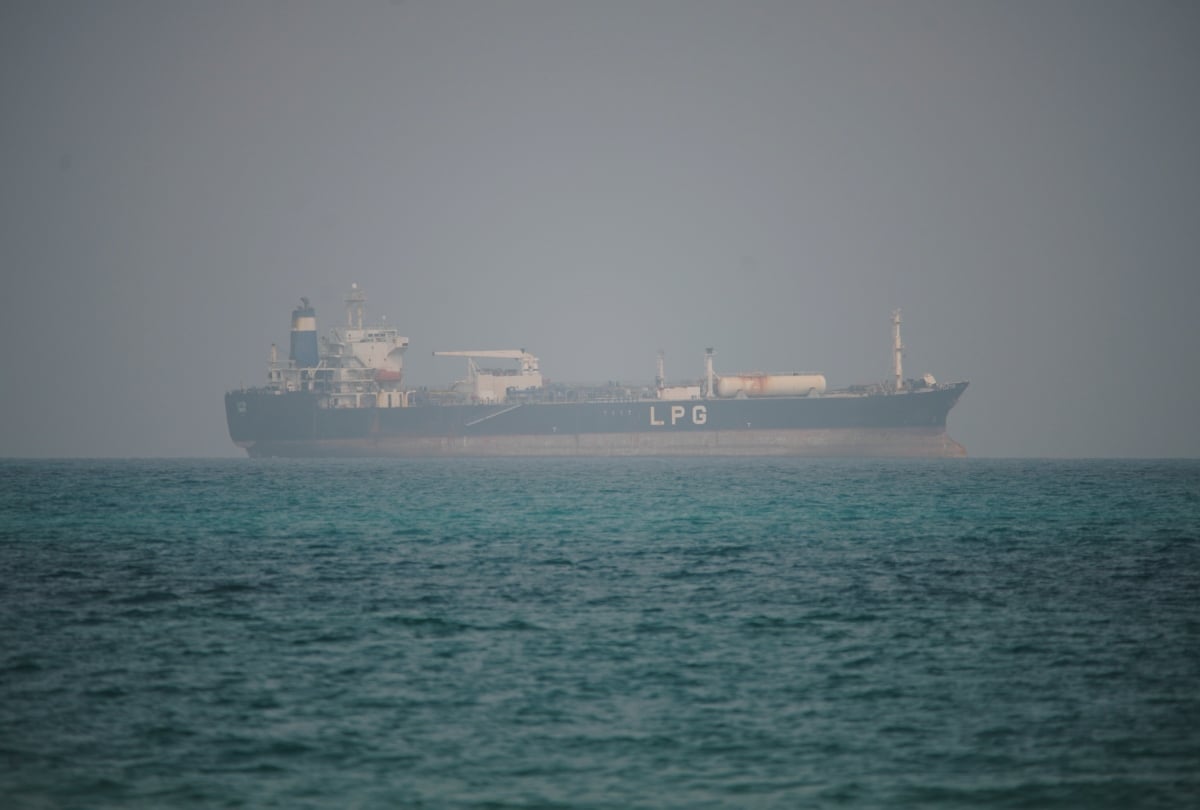 |
Sources: Ethnos Summary: The UK Royal Navy intercepted a Russian-linked oil tanker belonging to Russia’s so-called “shadow fleet” as it attempted to transit the English Channel. The vessel has been detained and remains in custody. Why It Matters: Shadow fleet tankers — ageing, poorly insured vessels used to circumvent Western sanctions — pose both environmental and security risks. Britain’s interception marks an escalation in enforcement and could set a precedent for other NATO navies patrolling key maritime chokepoints. |

Regional Roundup
Americas
- 🏀 The New York Knicks won the NBA championship — their first title in 53 years — sparking jubilant scenes across the city that overlapped with World Cup festivities (Spiegel).
- Neymar acted as a coaching assistant during Brazil’s match against Morocco and is scheduled to return to the pitch against Haiti (O Globo).
- Peru’s new Congress faces an early test of governability as political factions jostle for influence (La República).
-

Psychologists warn that teenagers using ChatGPT as a therapist risk aggravating mental health problems (La República). Europe
-

Italian politician Roberto Vannacci provoked outcry by declaring “femicide does not exist,” calling it simply homicide (L’Espresso). - A key European Court of Justice ruling on Spain’s Catalonia amnesty law, due 16 July, could reshape Spanish politics (Tanea).
- PM Modi met French President Macron in Nice, touting India’s innovation for a sustainable future (The Hindu).
Middle East & Africa
-

Gaza’s water crisis deepens: residents are surviving on one cup per day as desalination collapses amid fuel shortages (L’Espresso). - Israel struck Hezbollah targets in Beirut’s southern suburbs in response to rocket fire into Israeli territory (The Guardian, El País).
Asia-Pacific
-
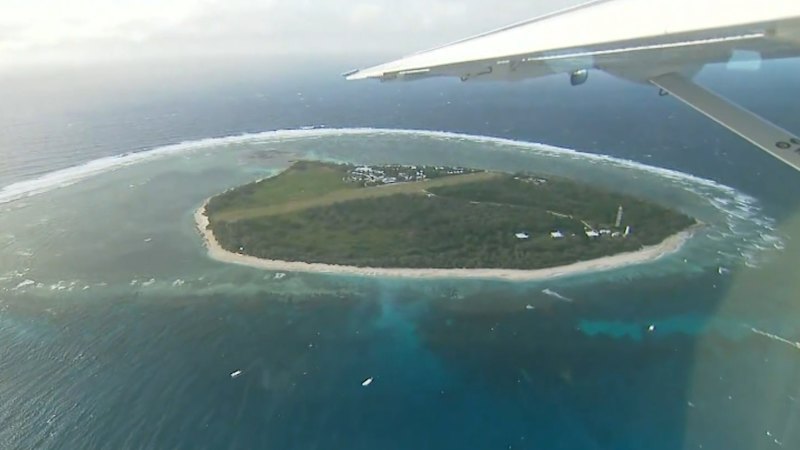
Queensland commits multi-million-dollar funding to protect the Great Barrier Reef (SMH, The Age). 
Punjab, Pakistan, expands its “Liquid Tree” project — using microalgae biotechnology to absorb CO₂ in urban areas where traditional planting is impractical (Dawn). - Kerala’s opposition alleges a lack of coordination in handling a Nipah virus outbreak, criticising the health minister’s leadership (The Hindu).
- Nationwide protests by India’s Cockroach Janta Party demand the resignation of Union Education Minister Dharmendra Pradhan; activist Sonam Wangchuk joins rallies in Hyderabad and Bengaluru (The Hindu).
Scandinavia
- Beach clean-up volunteers made a grim discovery — a dead person found along the shoreline of Mosken island off Lofoten, Norway (Dagbladet).
Transparency & Press Freedom
-
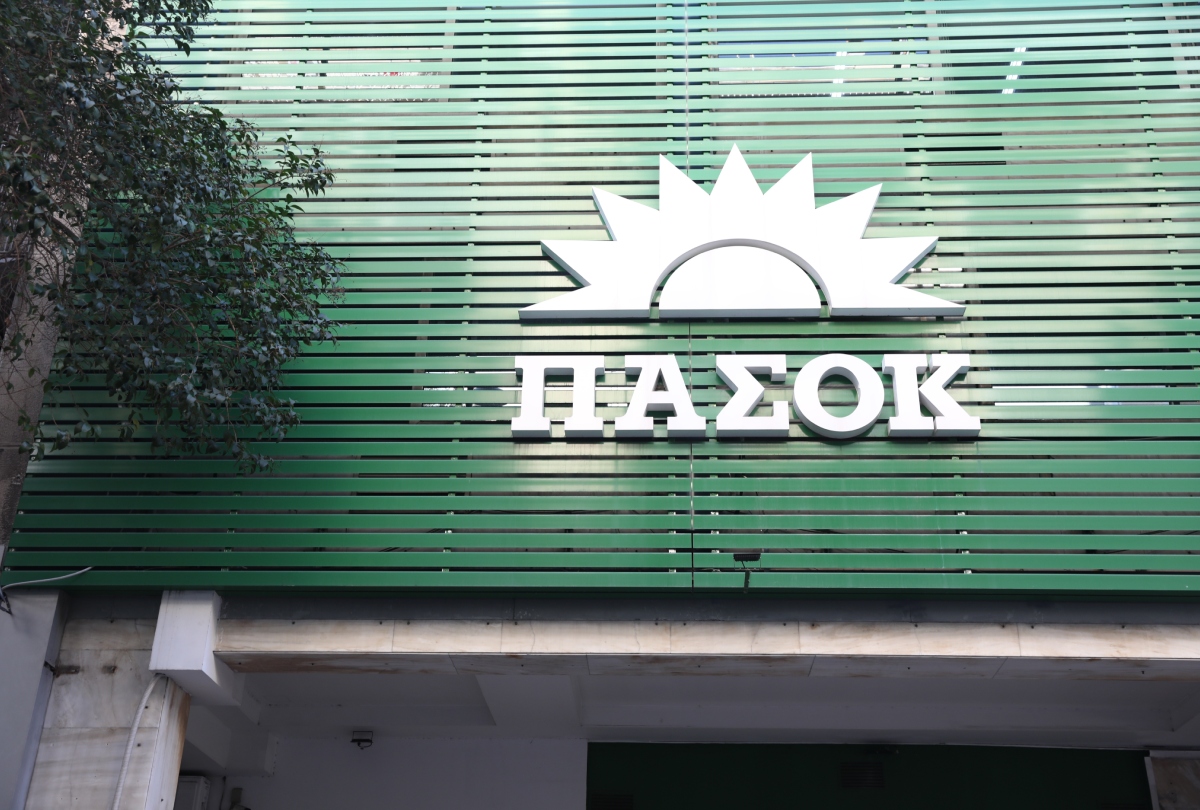
Greece — Predator spyware scandal resurfaces: PASOK, Greece’s main opposition party, demands the Prime Minister’s office explain whether state recommendation letters were issued in connection with Predator surveillance software. The party insists “justice must intervene and investigate the successive revelations” (Ethnos). - India — Protest movement for accountability: The Cockroach Janta Party’s growing nationwide protests, featuring prominent voices like Sonam Wangchuk, centre on demands for government transparency and ministerial accountability in education policy (The Hindu).
Sources
- https://elpais.com/internacional/2026-06-14/ultima-hora-de-la-guerra-de-estados-unidos-e-israel-contra-iran-en-directo.html
- https://www.ethnos.gr/World/article/411394/kleineihsymfoniahtexeranhapodexetainamhnapokthseipyrhnika
- https://www.theguardian.com/world/live/2026/jun/14/iran-us-middle-east-crisis-donald-trump-peace-deal-strait-hormuz-open-pakistan-latest-news-updates
- https://www.nytimes.com/2026/06/14/world/europe/g7-summit-evian-trump.html
- https://elpais.com/internacional/2026-06-14/suiza-rechaza-imponer-un-tope-de-10-millones-de-habitantes-a-su-poblacion-segun-las-primeras-proyecciones.html
- https://www.spiegel.de/ausland/schweiz-buerger-stimmen-laut-hochrechnung-gegen-begrenzung-der-bevoelkerungszahl-a-e07a4538-0bb7-4ce4-8d93-d0342a1f0244#ref=rss
- https://www.theguardian.com/football/live/2026/jun/14/world-cup-2026-news-scotland-react-to-first-world-cup-victory-in-36-years-as-australia-beat-turkey
- https://www.tanea.gr/2026/06/14/sports/football/mountial-2026-o-gkari-nevil-ta-evale-me-tin-fifa-meta-to-penalti-tis-elvetias-kontra-sto-katar-einai-diktatoria/
- https://oglobo.globo.com/esportes/copa-do-mundo-2026/noticia/2026/06/14/barrado-nos-eua-arbitro-da-somalia-recebera-salario-integral-da-copa-do-mundo.ghtml
- https://www.ethnos.gr/World/article/411384/bretaniaanaxaitiserosikopetrelaioforotoyskiodoysstoloysthmagxh
- https://www.spiegel.de/sport/basketball/nba-new-york-knicks-holen-den-titel-die-welthauptstadt-dreht-durch-a-8cc10fe0-2ef1-47b0-9ba6-1e8a519410b1#ref=rss
- https://oglobo.globo.com/blogs/diogo-dantas/coluna/2026/06/neymar-age-como-auxiliar-contra-marrocos-e-tem-volta-diante-do-haiti-programada.ghtml
- https://larepublica.pe/opinion/2026/06/13/la-gobernabilidad-como-primera-prueba-del-nuevo-congreso-140101
- https://larepublica.pe/sociedad/2026/06/13/los-psicologos-advierten-que-usar-chatgpt-como-terapeuta-puede-agravar-problemas-de-salud-mental-especialmente-para-adolescentes-847561
- https://lespresso.it/c/politica/2026/06/14/vannacci-futuro-nazionale-assemblea-costituente-femminicidio/62771
- https://www.tanea.gr/2026/06/14/economy/diethni/i-16i-iouliou-mporei-na-allaksei-to-politiko-skiniko-tis-ispanias/
- https://lespresso.it/c/mondo/2026/06/14/gaza-acqua-sete-israele-palestinesi/62683
- https://www.smh.com.au/national/multi-million-dollar-boost-to-save-great-barrier-reef-20260614-p606pu.html
- https://www.dawn.com/news/2007783/punjab-expands-liquid-tree-project-to-tackle-urban-pollution
- https://www.thehindu.com/news/national/kerala/lack-of-coordination-in-handling-nipah-outbreak-alleges-leader-of-the-opposition-pinarayi-vijayan/article71100686.ece
- https://www.thehindu.com/news/cities/Hyderabad/sonam-wangchuk-joins-cockroach-janta-partys-protest-in-hyderabad-seeks-dharmendra-pradhans-resignation/article71100739.ece
- https://www.thehindu.com/news/national/pm-modi-french-president-emmanuel-macron-bharat-innovates-bilateral-meeting-in-nice/article71100872.ece
- https://www.dagbladet.no/nyheter/fant-dod-person-i-strandlinja-brutalt/84762697
- https://www.ethnos.gr/Politics/article/411390/pasoktomaximoynaapanthseianexoynekdotheikratikessystatikesepistolesgiatopredator
Author
-