Executive Summary
Venezuela reels from back-to-back earthquakes of magnitudes 7.2 and 7.5 — the country’s strongest since 1900 — which have killed at least 164 people and injured nearly 1,000, with the toll expected to climb as rescuers comb through collapsed buildings in Caracas and surrounding areas. An extreme heatwave tightens its grip on Europe, with the UK Met Office extending a rare red heat warning and hosepipe bans already imposed in Kent. Geopolitical tensions simmer around the Strait of Hormuz as Washington and energy planners absorb lessons from the Iran conflict about reducing chokepoint dependence, while Pakistan signals that Iran–U.S. talks may resume next week. The 2026 FIFA World Cup continues its group stage in North America, with Scotland’s hopes fading and Spain virtually assured of advancing.
Top Stories
Devastating Twin Earthquakes Strike Venezuela, Killing at Least 164
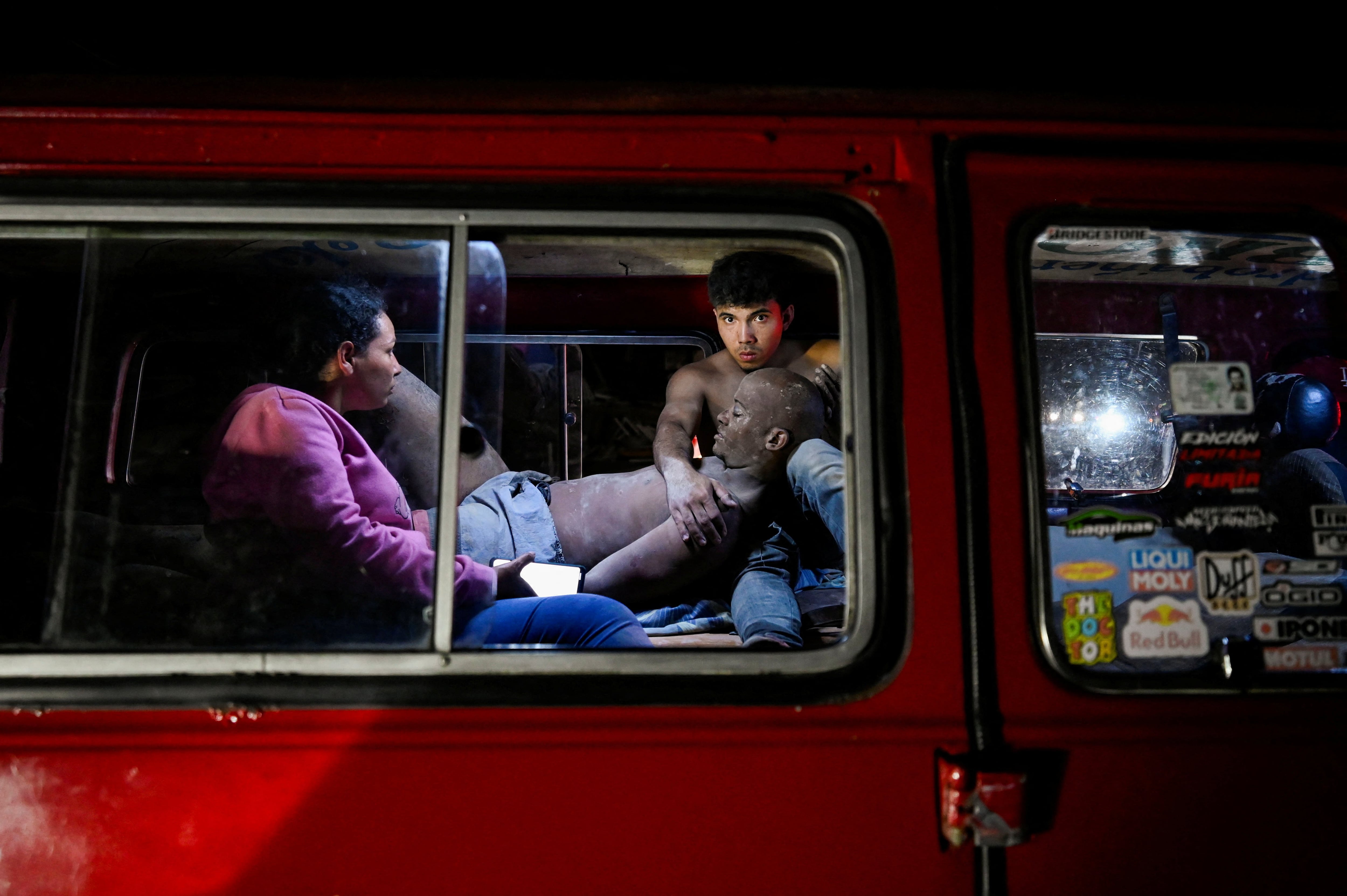 |
Sources: Dawn, El País, Spiegel, The Guardian, SMH, The Age, Ethnos, The Hindu Summary: Two powerful earthquakes — magnitude 7.2 and 7.5 — struck northern Venezuela within seconds of each other at approximately 6 p.m. local time on Wednesday, about 160 km west of Caracas. Interim President Delcy Rodríguez confirmed at least 164 deaths and 971 injuries, with some 30 aftershocks recorded. Buildings collapsed in the capital’s Altamira district and elsewhere, and volunteers, medics, and foreign rescue teams are converging on the hardest-hit zones. Why It Matters: Venezuela’s worst seismic event in over a century compounds the challenges facing a country already grappling with political instability and economic crisis. International aid coordination will be critical, and the disaster could reshape diplomatic dynamics as world leaders — including adversaries — offer assistance. |

Extreme Heatwave Grips Europe; UK Issues Red Warning
Sources: The Guardian
Summary: The UK Met Office has extended a red extreme-heat warning into Friday night as temperatures in southeast England are forecast to reach 33°C. South East Water has imposed a temporary hosepipe ban in Kent to protect supplies. Heatwave-related fatalities are climbing across the continent, with France and Italy also severely affected.
Why It Matters: Consecutive extreme-heat events are straining European infrastructure, water systems, and public health services, intensifying calls for accelerated climate adaptation and reinforcing the political salience of climate policy heading into the EU’s next budget cycle.
Post-Iran-War Reckoning: Reducing Reliance on the Strait of Hormuz
 |
Sources: New York Times, The Hindu Summary: Energy strategists and policymakers are drawing lessons from the recent Iran conflict, with a focus on reducing the global economy’s dependence on the Strait of Hormuz, through which roughly a fifth of the world’s oil passes. Secretary of State Rubio warned that Hormuz-related tolls could “spread like contagion” to other vital waterways. Pakistan’s foreign office says Iran–U.S. talks are expected to resume next week. Why It Matters: The push to diversify energy transit routes could accelerate pipeline and port investments in the Gulf states and reshape long-term oil trade flows, while the prospect of renewed diplomacy offers a slim opening for de-escalation in West Asia. |

Fortescue Hit with Sexual Harassment Class Action in Australia
 |
Sources: SMH, The Age Summary: Women working at remote sites of Fortescue, one of Australia’s largest mining companies, have filed a class-action lawsuit alleging systemic sexual harassment, violence, and retaliation against those who spoke out. The case is the latest in a series of legal and regulatory actions targeting workplace culture in the Australian resources sector. Why It Matters: The lawsuit adds momentum to industry-wide reforms prompted by earlier inquiries into mining workplace safety, and could set legal precedents for employer liability at isolated worksites. |

Russia Backs African Push for Colonial Reparations
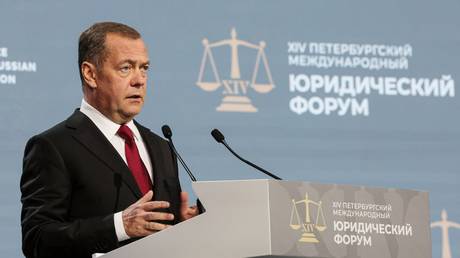 |
Sources: RT Summary: Deputy Chairman of Russia’s Security Council Dmitry Medvedev told the St. Petersburg International Legal Forum that Moscow will support African and Caribbean nations seeking reparations from former colonial powers, calling for colonialism to be recognised as a crime against humanity. Why It Matters: The move is part of Russia’s broader strategy to court the Global South and fracture Western diplomatic coalitions, potentially amplifying reparations debates at the UN General Assembly and in multilateral forums. |

Regional Roundup
Americas
- Venezuela earthquake response: International rescue teams are beginning to arrive as the country confronts its worst natural disaster in over a century. Interim President Rodríguez appealed for global solidarity. (Dawn, El País, The Guardian, SMH, The Hindu)
- FIFA World Cup 2026: Mexico celebrated a group-stage victory over the Czech Republic in Mexico City; Scotland’s hopes of advancing dimmed after a loss to Brazil; Spain is virtually assured of progressing before its match against Uruguay. (El País, The Guardian, O Globo)
Europe
-
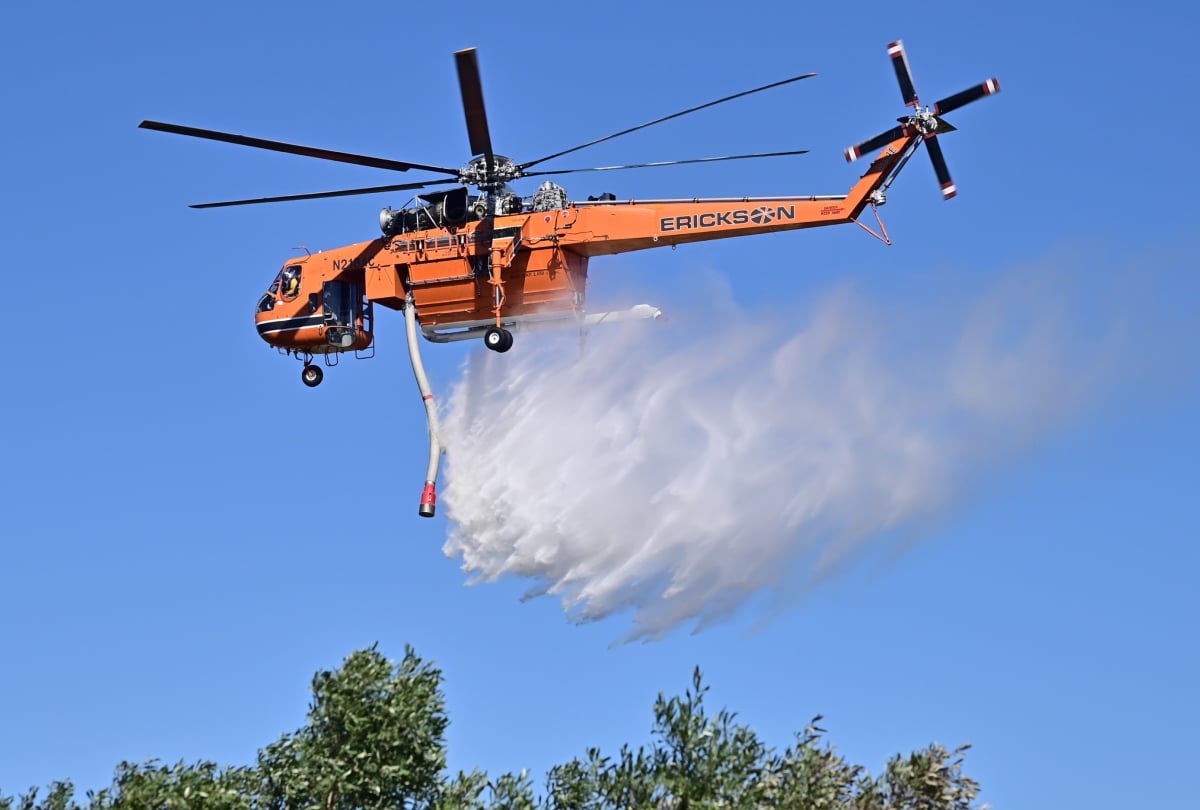
Greece: A firefighting helicopter crashed near Metsovo while en route to a wildfire in Grevena; further details are awaited. (Ethnos) - UK/France/Italy: An unprecedented June heatwave continues to drive record temperatures; the UK’s red warning is extended into Friday night. (The Guardian)
- Norway: MDG (Green Party) leader Ingrid Liland delivered the party’s half-year summary on behalf of Arild Hermstad. (Dagbladet)
Middle East & Africa
- Iran–U.S. diplomacy: Pakistan confirmed that talks between Washington and Tehran are expected to resume next week. Secretary Rubio, attending a Gulf Cooperation Council meeting in Bahrain, said he is open to peace that does not undermine U.S. or allied security. (The Hindu)
- India–South Korea: External Affairs Minister Jaishankar called for closer bilateral cooperation and greater capacity for the Global South at the Jeju Forum. (The Hindu)
Asia-Pacific
-
Pakistan: A pilot child-friendly medicolegal clinic opened in the Office of the Police Surgeon, aiming to overhaul how children — both victims and accused — are treated in the criminal justice system. (Dawn) - India: Tamil Nadu released a white paper pegging its electricity department’s debt at ₹2.47 lakh crore; the BJP announced a major organisational reshuffle in Uttar Pradesh; and public health professionals questioned the state government’s gold ring scheme for newborns. (The Hindu)
- Australia: Mining giant Fortescue faces a class-action lawsuit over alleged sexual harassment at remote worksites. (SMH, The Age)
Transparency & Press Freedom
- Russia’s spy-training curriculum exposed: A Der Spiegel podcast investigation reveals details of how Moscow trains intelligence agents at an elite university, including courses on hacking, surveillance, and disinformation, with Germany playing a particular role in the curriculum. The reporting offers a rare window into state-sponsored espionage education. (Spiegel)

- India’s passport-citizenship debate: The Hindu published an explainer after the Ministry of External Affairs stated that a passport is a travel document, not proof of citizenship — raising questions about documentation, state surveillance of identity, and civil liberties implications for stateless or disputed-status populations. (The Hindu)
Sources
- https://www.dawn.com/news/2010737/death-toll-from-venezuelas-massive-twin-quakes-jumps-to-164-nearly-1000-injured-president
- https://elpais.com/america/2026-06-24/el-terremoto-en-venezuela-en-vivo.html
- https://elpais.com/internacional/2026-06-25/mapas-y-primeros-datos-del-devastador-doble-terremoto-en-venezuela.html
- https://www.theguardian.com/world/live/2026/jun/25/venezuela-earthquake-live-updates-quake-aftershocks-terremoto-caracas-latest
- https://www.smh.com.au/world/at-least-32-dead-and-700-injured-after-twin-earthquakes-in-venezuela-20260625-p60a7m.html?ref=rss&utm_medium=rss&utm_source=rss_feed
- https://www.spiegel.de/ausland/venezuela-mindestens-164-tote-bei-schweren-erdbeben-a-2b4ae5f3-0fdc-4952-8ed4-8a554250edf6#ref=rss
- https://www.thehindu.com/news/international/venezuela-earthquakes-live-updates-terremoto-caracas-magnitude-7-tsunami-alert-damages-death-toll-live-updates-june-25-2026/article71144983.ece
- https://www.ethnos.gr/World/article/412600/benezoyelaayxanontaidramatikatathymatatoylaxiston164nekroikaipanoapo970traymaties
- https://www.theguardian.com/world/live/2026/jun/25/europe-heatwave-uk-italy-france-record-temperature-latest-news-updates
- https://www.nytimes.com/2026/06/25/business/strait-of-hormuz-iran-war.html
- https://www.thehindu.com/news/international/west-asia-war-iran-usa-israel-conflict-washington-tehran-peace-deal-donald-trump-strait-of-hormuz-live-updates-june-25-2026/article71144582.ece
- https://www.thehindu.com/news/international/pakistan-says-iran-us-talks-expected-to-resume-next-week/article71145789.ece
- https://www.smh.com.au/national/mining-giant-hit-with-sexual-harassment-class-action-20260625-p60a7l.html?ref=rss&utm_medium=rss&utm_source=rss_feed
- https://www.rt.com/africa/642115-russia-backs-african-push-colonial-reparations/?utm_source=rss&utm_medium=rss&utm_campaign=RSS
- https://www.spiegel.de/ausland/russland-wie-moskau-agenten-an-einer-eliteuni-ausbildet-podcast-firewall-a-938c2b21-a350-4142-9911-c446246c2427#ref=rss
- https://www.thehindu.com/news/national/jaishankar-calls-for-closer-cooperation-with-south-korea-at-jeju-forum/article71145521.ece
- https://www.dawn.com/news/2010785/pakistans-legal-system-isnt-built-for-children-this-clinic-is-trying-to-change-that
- https://www.thehindu.com/news/national/if-a-passport-is-not-proof-of-citizenship-then-what-is-explained/article71145481.ece
- https://elpais.com/deportes/mundial-futbol/2026-06-25/resumen-y-ultimas-noticias-de-la-copa-mundial-de-futbol.html
- https://www.theguardian.com/football/live/2026/jun/25/world-cup-2026-scotland-agony-as-brazil-hit-hopes-of-progress-south-africa-advance-and-more-live
- https://oglobo.globo.com/esportes/copa-do-mundo-2026/noticia/2026/06/25/quais-sao-os-jogos-da-copa-do-mundo-2026-de-hoje-veja-horarios-desta-quinta-256.ghtml
- https://www.ethnos.gr/greece/article/412606/metsobokatepesepyrosbestikoelikopterometebainesthfotiastagrebena
- https://www.thehindu.com/news/national/tamil-nadu/white-paper-of-tn-electricity-department-puts-debt-at-247-lakh-crore-minister-nirmalkumar/article71145542.ece
- https://www.dagbladet.no/nyheter/ingen-vil-tre-inn-pa-denne-maten/84815634