Executive Summary
The body of Iran’s slain Supreme Leader Ayatollah Ali Khamenei lies in state in Tehran ahead of a weeklong mass funeral, deepening uncertainty across the Middle East. NATO leaders convene in Ankara to try to manage divisions with the Trump administration, while in Russia, attacks on oil infrastructure have produced fuel shortages not seen in a generation. On lighter turf, the FIFA World Cup 2026 round of 16 dominates global attention, headlined by Germany coach Julian Nagelsmann’s resignation and a blockbuster Portugal-Spain knockout fixture. India’s Defence Acquisition Council approved ₹52,000 crore in military purchases, and a rescue mission has launched to save NASA’s falling Swift telescope.
Top Stories
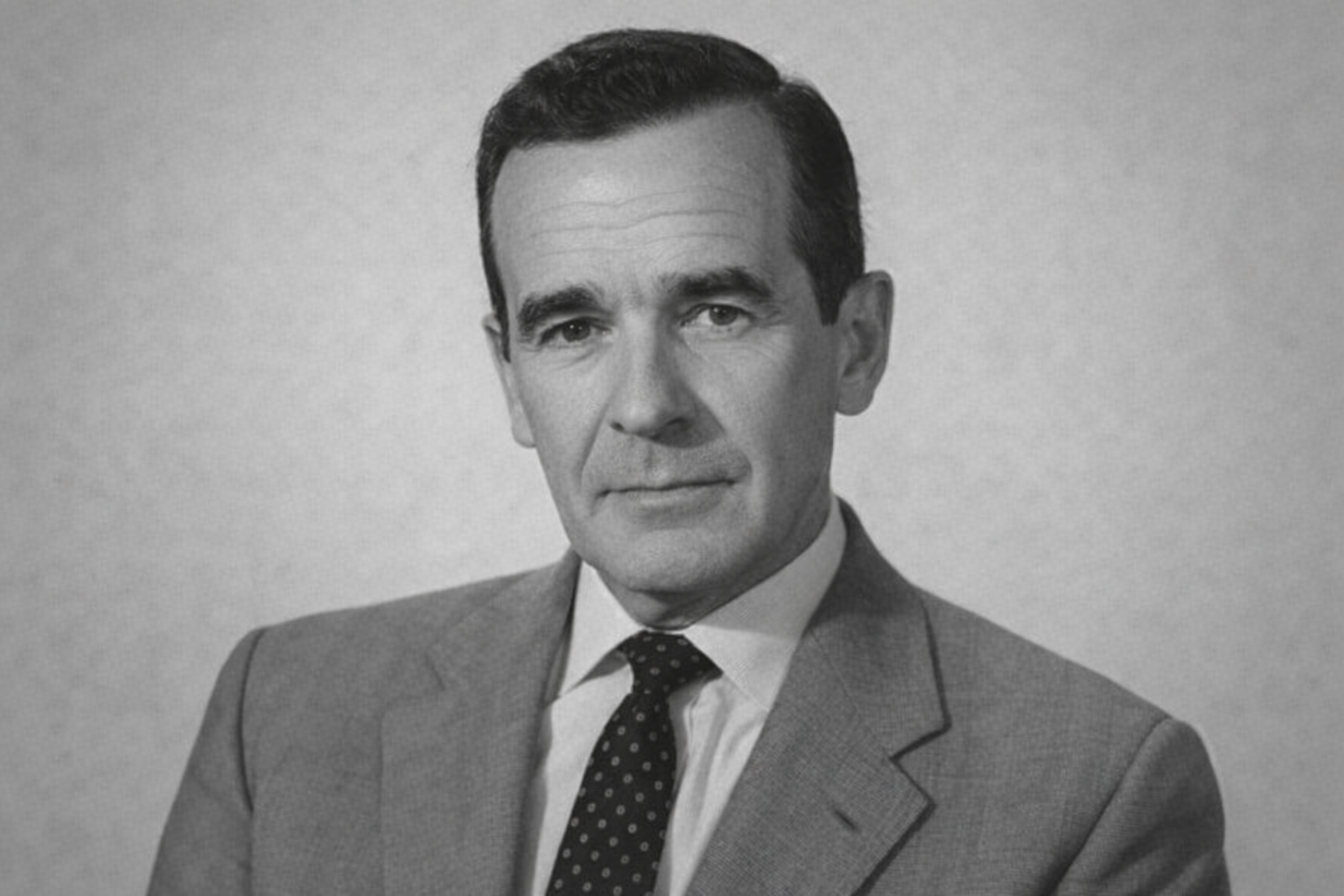
Ayatollah Khamenei Laid in State as Iran Prepares Weeklong Mass Funeral
Sources: The Hindu
Summary: The slain Supreme Leader of Iran, Ayatollah Ali Khamenei, has been laid in state in Tehran, with burial scheduled for July 6. An Indian delegation travelled to Tehran to pay respects, underscoring the global diplomatic dimensions of the event.
Why It Matters: The death of Khamenei — Iran’s paramount leader for over three decades — reshapes the strategic calculus across the Middle East, with implications for the Israel-Iran confrontation, oil markets, and the future of Iran’s nuclear programme.
NATO Leaders Gather in Ankara to Smooth Over Trump Tensions
 |
Sources: The Hindu Summary: NATO leaders are meeting in Turkey’s capital with the stated aim of rebalancing the transatlantic alliance. Secretary General Mark Rutte acknowledged the need for adjustment, saying NATO “is, and will always be, a transatlantic alliance but we need to rebalance it for the better.” Why It Matters: The summit is a critical test of alliance cohesion as European members face pressure from Washington to shoulder more of their own defence burden, all while the Russia-Ukraine conflict grinds on and the West Asia crisis intensifies. |

Long Gas Lines Shatter Illusion of Normalcy in Wartime Russia
 |
Sources: New York Times Summary: Attacks on Russian oil infrastructure have produced fuel shortages unseen by most Russian citizens in their lifetimes, with long queues forming at gas stations in Moscow and other cities. The shortages are piercing the Kremlin’s carefully managed image of domestic stability. Why It Matters: Sustained energy disruptions could erode public tolerance for the war in Ukraine and put new political pressure on the Russian government at a time when it is already managing economic strain from Western sanctions. |

Nagelsmann Resigns as Germany Coach; Klopp Tipped as Successor
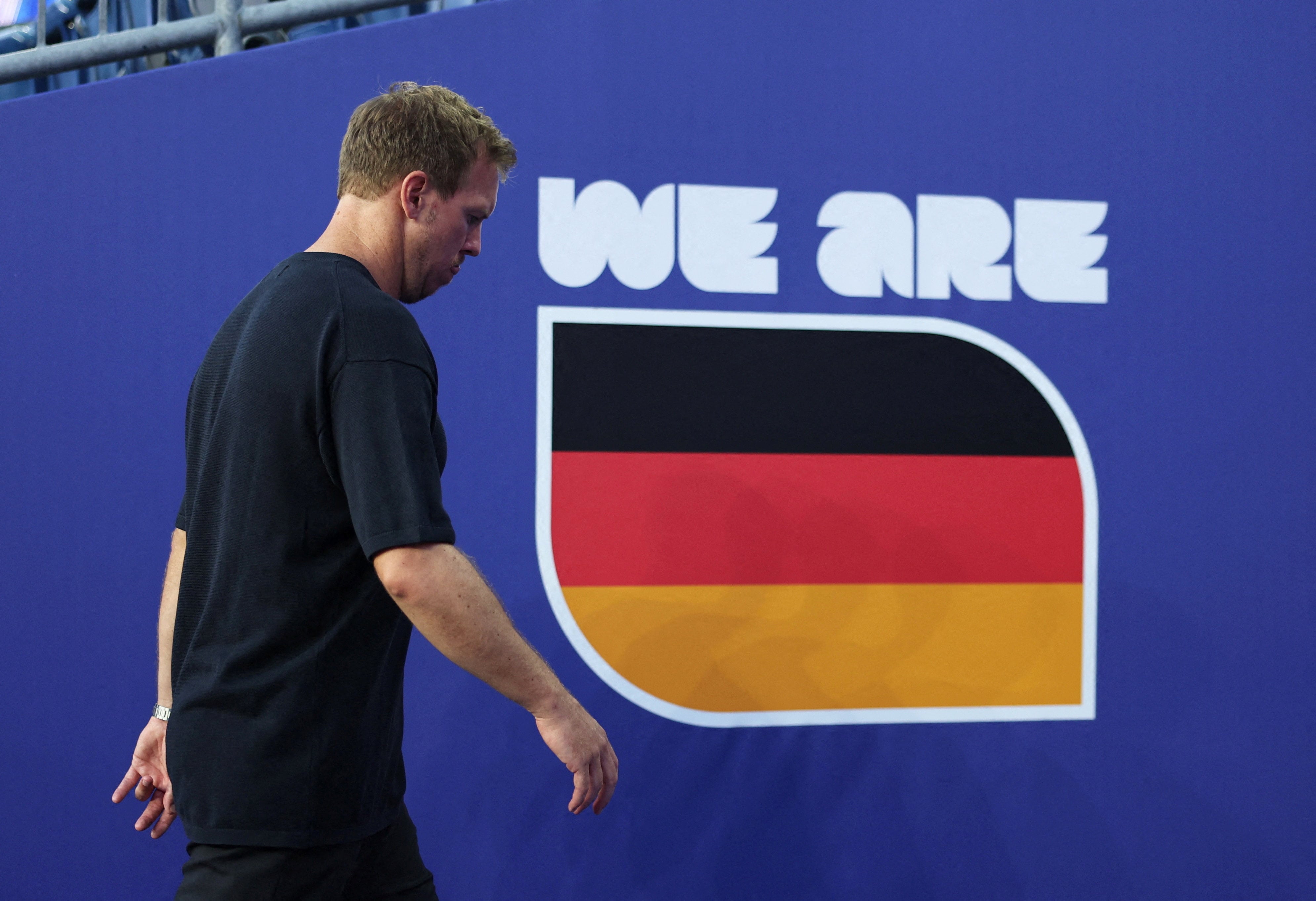 |
Sources: The Guardian, El País, Ethnos, Spiegel Summary: Julian Nagelsmann has resigned as head coach of Germany’s national football team following the country’s shock World Cup elimination by Paraguay. Reports indicate a “secret summit” at DFB headquarters in Frankfurt preceded the decision. Former Liverpool manager Jürgen Klopp is the leading candidate to replace him. Why It Matters: Germany’s early exit from a World Cup co-hosted on home soil is a footballing humiliation, and the coaching shake-up will define the direction of one of the sport’s powerhouse nations. |

India Approves ₹52,000 Crore in Military Acquisitions
 |
Sources: The Hindu Summary: India’s Defence Acquisition Council approved roughly ₹52,000 crore (≈$6 billion) in military purchases, including the Akash Tarang air-defence system, MRSAM missiles, kamikaze drones, and naval unmanned systems. Why It Matters: The procurement package signals India’s continued push to modernise its armed forces and develop indigenous defence manufacturing capacity amid a volatile security environment stretching from the Himalayas to the Indian Ocean. |
Rescue Mission Launched to Save NASA’s Falling Swift Telescope
Sources: Stuff (NZ)
Summary: A rescue mission has launched to save NASA’s Swift space telescope, which is gradually losing altitude and falling back toward Earth. If successful, the telescope could resume scanning the cosmos by September; observations are currently paused to conserve its orbit.
Why It Matters: Swift has been a workhorse for astrophysics since 2004, detecting gamma-ray bursts and other transient phenomena. Its loss would leave a gap in space-based observation capabilities.
Regional Roundup
Americas
- United States marks 250th anniversary: The New York Times published a special semiquincentennial newsletter reflecting on the nation’s founding. (NYT)
- World Cup Round of 16 action: Colombia faces Ghana, and several other knockout matches are scheduled today across U.S. venues, including a marquee Portugal vs. Spain clash set up after VAR drama. (La República, O Globo, The Guardian)
-
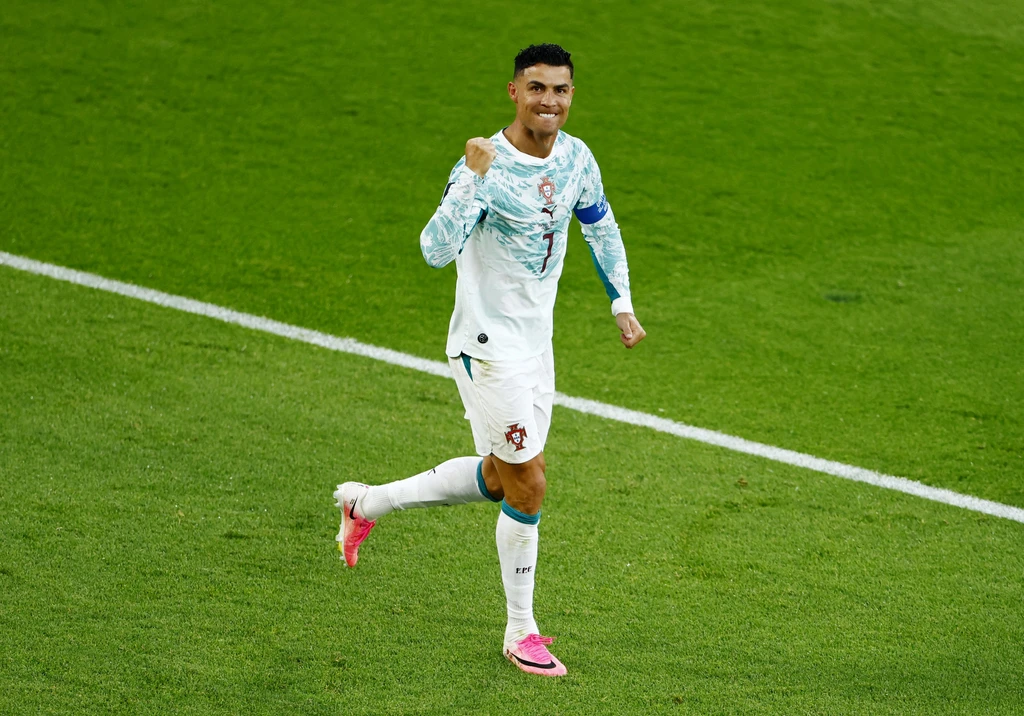
Ronaldo “Bismillah” moment goes viral: Footage appears to show Cristiano Ronaldo whispering before his penalty against Croatia, sparking online debate. (Ta Nea) Europe
-

NSU case: Zschäpe associate faces four-year sentence. German prosecutors demand prison time for Susann E., accused of significantly aiding Beate Zschäpe’s life underground. (Spiegel) - Greek national-security adviser pranked by Russian hoaxers: A video shows Thanos Dokos, adviser to PM Mitsotakis, apparently deceived in a call by Russian pranksters; PASOK demands his resignation. (Ethnos)
- Greece signs MEKO frigate upgrade contract with Skaramanga Shipyards, reinforcing the Hellenic Navy’s operational capability. (Ta Nea)
- ECB official says green transition can cut inflation and bolster eurozone resilience, in remarks at a global environmental economics conference in Portugal. (Ta Nea)
- Ukrainian suspect in Monaco oligarch bombing added to Interpol list. Anastasiia Berezovska is sought in connection with a car-bomb attack targeting a pro-Russian oligarch. (O Globo)
- Opera star Anna Netrebko cancels July performances citing severe physical exhaustion amid extreme heat. (Spiegel)
Middle East & Africa
- Ayatollah Khamenei’s funeral preparations dominate the region (see Top Stories).
Asia-Pacific
- India issues notices to Telegram and Signal over username features, following an earlier directive to WhatsApp, citing scam and impersonation risks. (The Hindu)
-

Ireland stun India 2-0 in T20 series — their first-ever bilateral series win over the reigning T20 world champions. (The Hindu) - GoDaddy warns Indian government’s fake-website crackdown could make internet less safe, as a legal dispute over domain takedowns escalates. (The Hindu)
- Monsoon tracker: IMD issues orange alert for thunderstorms and lightning across all 24 districts of Jharkhand. (The Hindu)
Transparency & Press Freedom
-
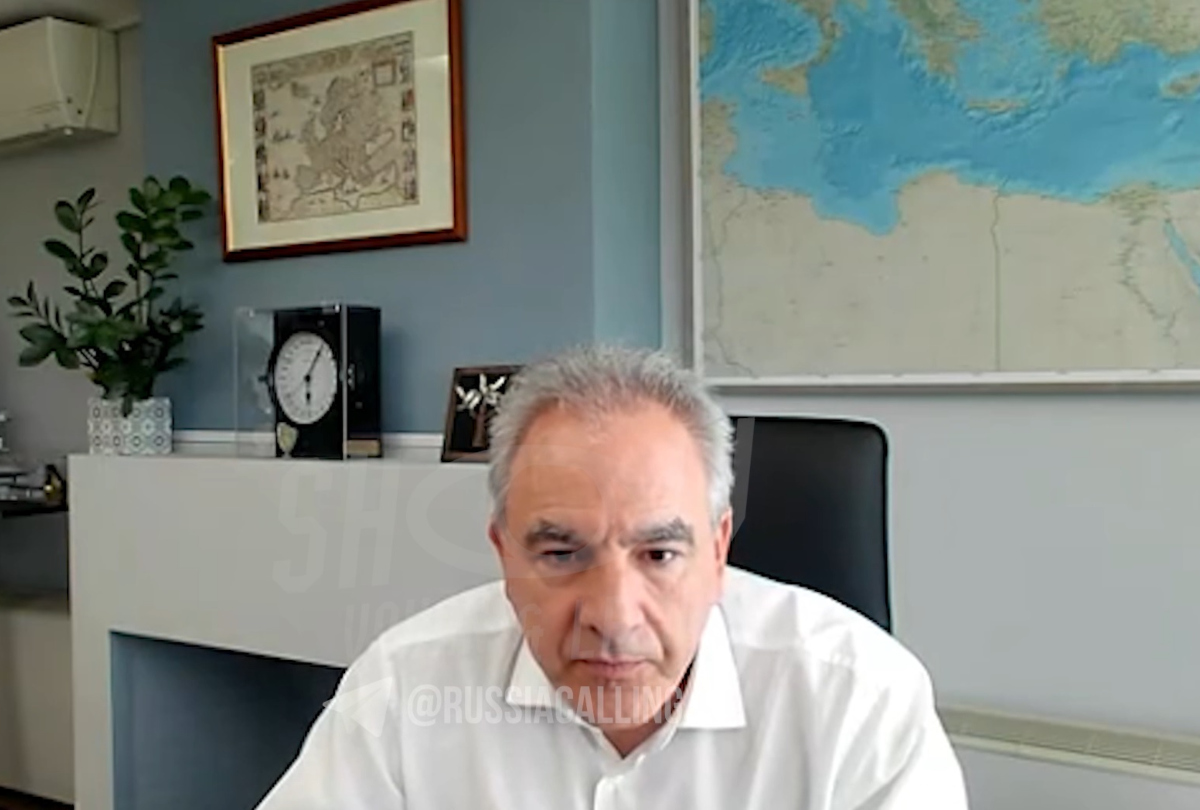
Greek national-security adviser duped by Russian pranksters: The incident raises questions about operational security in senior government circles. Opposition party PASOK called for the adviser’s resignation, citing the sensitivity of the information potentially disclosed. (Ethnos) - India pressures messaging platforms on username features: Government notices to Telegram and Signal — following WhatsApp — over scam concerns could have broader implications for user privacy and pseudonymous communication. (The Hindu)
- GoDaddy vs. Indian government on fake websites: The domain registrar argues that the government’s crackdown mechanism could be abused, making the broader internet less safe rather than more secure. (The Hindu)
Sources
- https://www.thehindu.com/news/international/west-asia-war-live-updates-july-3-2026-iran-israel-usa-strait-of-hormuz/article71177098.ece
- https://www.thehindu.com/news/international/nato-leaders-in-ankara-aiming-to-smooth-over-tensions-with-trump/article71177759.ece
- https://www.nytimes.com/2026/07/03/world/europe/russia-gas-shortages.html
- https://www.theguardian.com/football/live/2026/jul/03/world-cup-2026-portugal-spain-switzerland-australia-egypt-argentina-cape-verde-colombia-ghana-live
- https://elpais.com/deportes/mundial-futbol/2026-07-03/nagelsmann-seleccionador-de-alemania-dejara-el-cargo-tras-la-eliminacion-en-el-mundial-y-klopp-se-perfila-como-su-sustituto.html
- https://www.ethnos.gr/sports/article/413421/paraiththhkeapothnethnikhgermaniasonagkelsmanprotofaborigiaantikatastathsoklop
- https://www.thehindu.com/news/national/defence-council-approves-52000-crore-worth-military-purchase/article71178294.ece
- https://www.stuff.co.nz/world-news/361001962/rescue-mission-launches-save-nasa-telescope-thats-falling
- https://www.nytimes.com/2026/07/03/briefing/happy-250th-america.html
- https://larepublica.pe/deportes/2026/07/03/que-partidos-de-los-16avos-de-final-del-mundial-se-juegan-hoy-horarios-oficiales-y-canales-para-seguir-la-transmision-en-vivo-154082
- https://oglobo.globo.com/esportes/copa-do-mundo-2026/noticia/2026/07/03/quais-sao-os-jogos-da-copa-do-mundo-2026-de-hoje-veja-horarios-desta-sexta-37.ghtml
- https://www.tanea.gr/2026/07/03/sports/football/salos-me-ton-ronalnto-to-psithyrisma-prin-to-penalti-pou-prokalei-thyella-antidraseon-vid/
- https://www.spiegel.de/panorama/justiz/nsu-zschaepe-freundin-droht-mehrjaehrige-haftstrafe-a-6951ce97-56b1-420b-956b-4960aca32bab#ref=rss
- https://www.ethnos.gr/Politics/article/413434/thymarosonfarserosymboylosethnikhsasfaleiastoymhtsotakhthnparaithshtoyzhtatopasok
- https://www.tanea.gr/2026/07/03/greece/m-varvitsiotis-ypografike-i-symvasi-anavathmisis-fregaton-meko-sta-naypigeia-skaramagka/
- https://www.tanea.gr/2026/07/03/economy/diethni/ekt-i-prasini-metavasi-mporei-na-meiosei-ton-plithorismo-kai-na-thorakisei-tin-eyropaiki-oikonomia/
- https://oglobo.globo.com/mundo/noticia/2026/07/03/ucraniana-e-incluida-na-lista-da-interpol-como-suspeita-de-atentado-a-bomba-contra-oligarca-pro-russia-em-monaco.ghtml
- https://www.thehindu.com/sci-tech/technology/after-whatsapp-telegram-and-signal-receive-notices-on-username-feature/article71175746.ece
- https://www.thehindu.com/sport/cricket/ireland-will-be-more-acceptable-as-opposition-after-series-win-over-india-ci-chief-odonnell/article71177743.ece
- https://www.thehindu.com/sci-tech/technology/godaddy-fears-governments-fake-website-crackdown-could-make-the-internet-less-safe/article71178069.ece
- https://www.spiegel.de/kultur/musik/anna-netrebko-und-die-schwere-koerperliche-erschoepfung-opernstar-sagt-auftritte-ab-a-ae19445f-8529-4244-8ba3-91b4b59f2e6f#ref=rss
- https://www.telegraph.co.uk/global-health/climate-and-people/this-could-be-the-silver-lining-to-aid-austerity/
-