The most politically charged story from the 2026 FIFA World Cup unfolded not on the pitch but in the corridors of power. FIFA announced it would suspend the one-match ban on American striker Folarin Balogun, who had been sent off with a red card during the USA’s group-stage match against Bosnia and Herzegovina. The 25-year-old forward’s tackle was initially deemed dangerous, confirmed by VAR review, and should have ruled him out of the Round of 16 clash against Belgium.
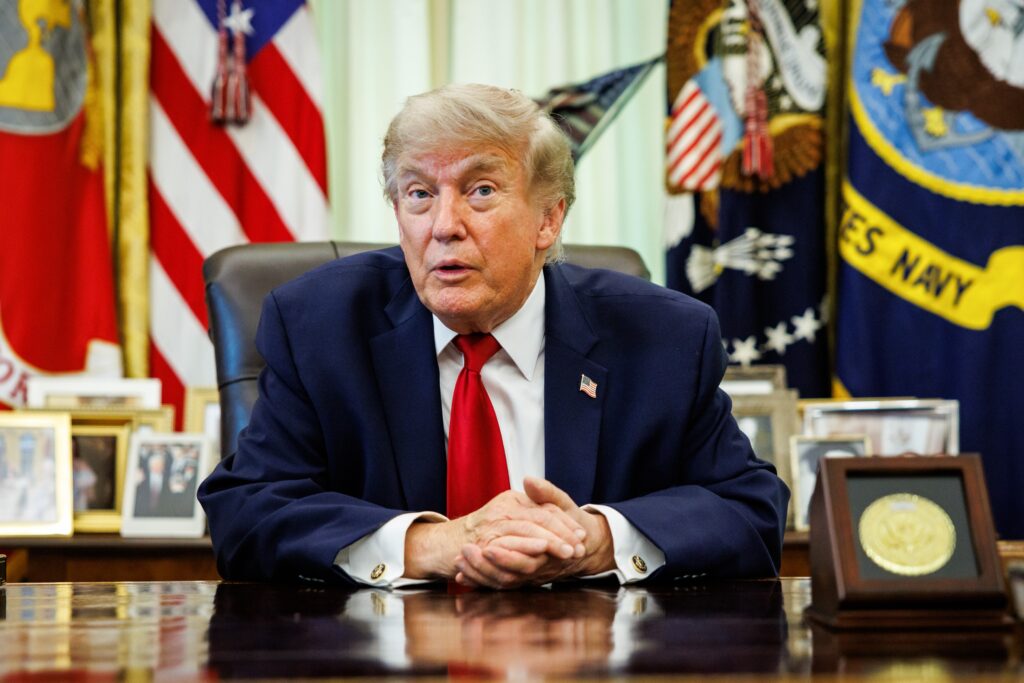
Instead, FIFA invoked a special provision in its Disciplinary Code to reverse course — a move that immediately drew accusations of favoritism toward the host nation. President Donald Trump publicly thanked FIFA for the decision, adding fuel to the controversy. Norwegian outlet Dagbladet reported that the reversal hands the U.S. a “massive reinforcement” ahead of their knockout match against Belgium, while Greek media described the situation as an unprecedented use of regulatory discretion during a major tournament.
The controversy hung over a day that also featured two blockbuster Round of 16 matches: Brazil versus Norway at the New York/New Jersey Stadium and Mexico against a European opponent in Mexico City. In Oslo, enormous queues formed across the city center as fans gathered for what was being called a once-in-a-generation football celebration.
Meanwhile, France’s narrow victory over Paraguay drew commentary from Le Monde, which noted that Paraguay’s aggressive anti-football tactics — while ugly — are a legitimate, if rarely effective, part of the game.