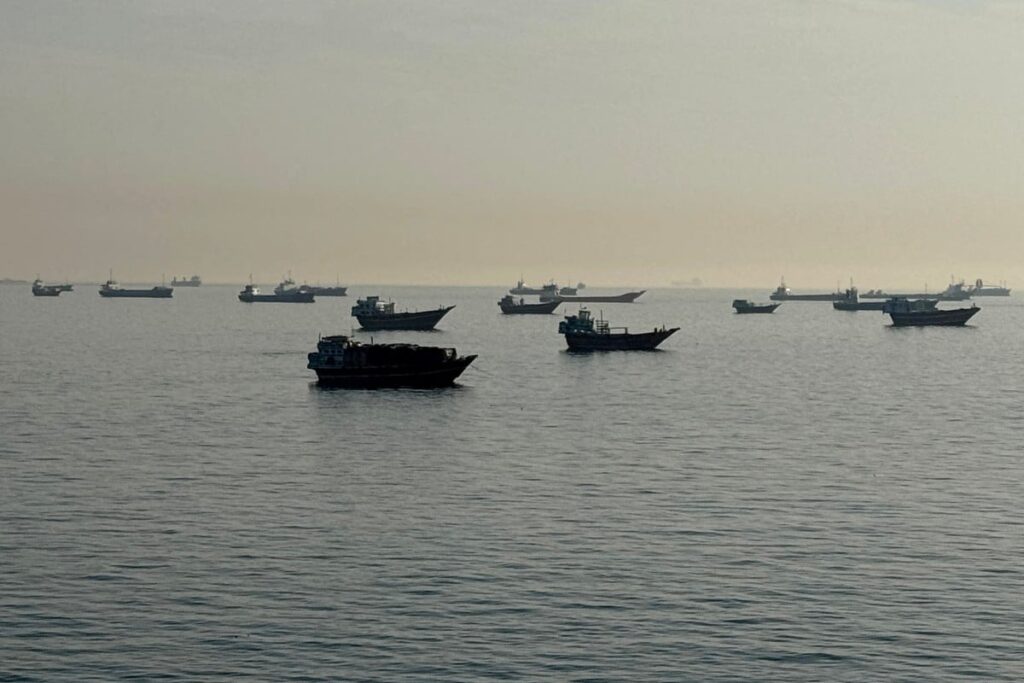
Financial markets may have cheered the US-Iran agreement, but the reality of reopening the Strait of Hormuz — through which roughly a fifth of the world’s oil supply passes — is proving far more complex than flipping a switch.
As Brazilian outlet Carta Capital reported, the presence of naval mines and the inherent fragility of the US-Iran deal mean that a return to normal shipping operations will take considerable time. The comparison to “clearing a highway” dramatically understates the challenge.
Japan, for its part, signed onto a June 15 joint statement issued by European nations regarding the strait but remains undecided on whether to send its own military forces to the area. Tokyo’s hesitation underscores the delicate diplomatic calculus surrounding the waterway, even after a deal has ostensibly been reached.
Greek commentators, meanwhile, used the moment to take stock of the broader Middle East policy landscape, noting that just three months ago, hawkish voices were calling for regime change in Tehran — only for diplomacy to prevail.