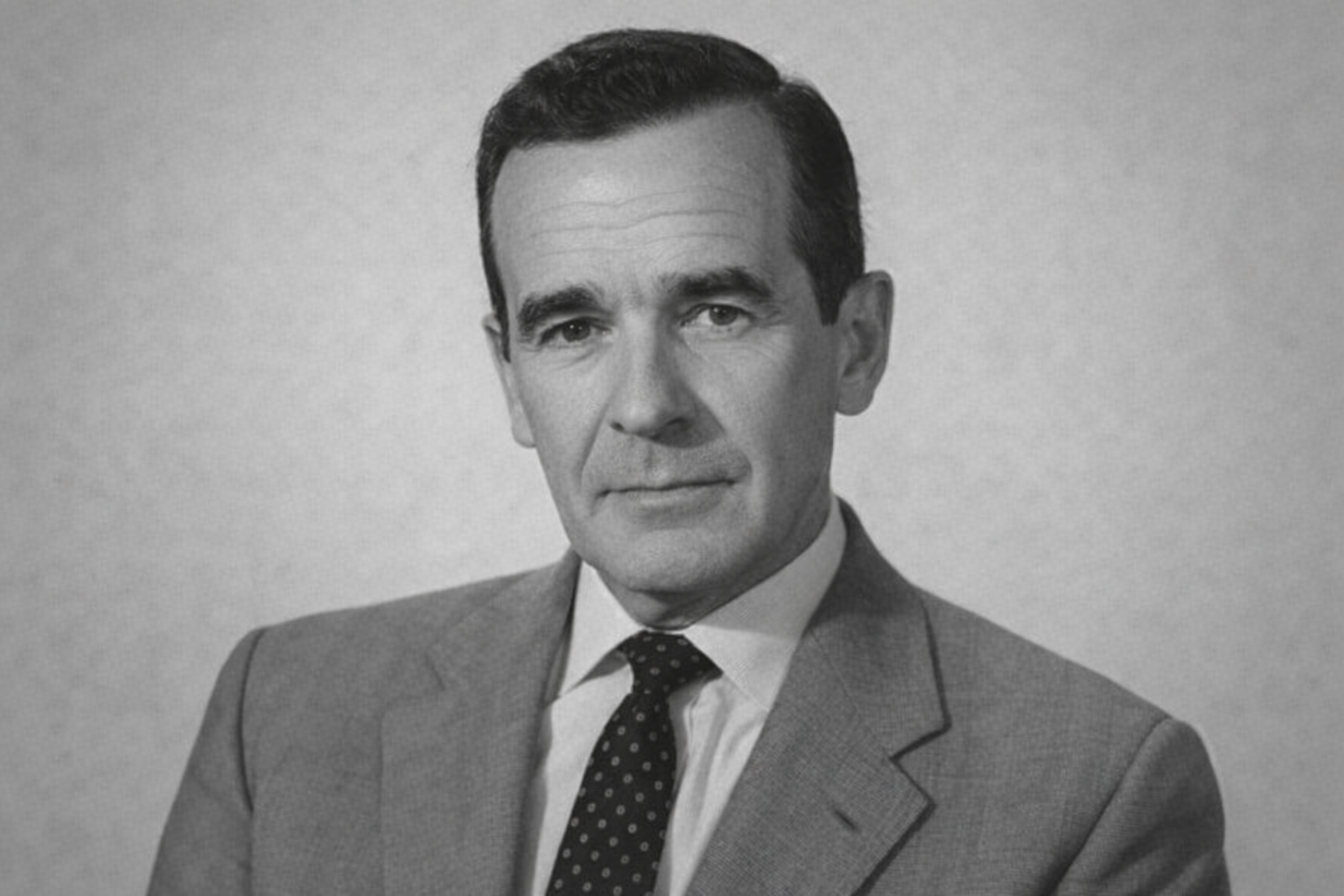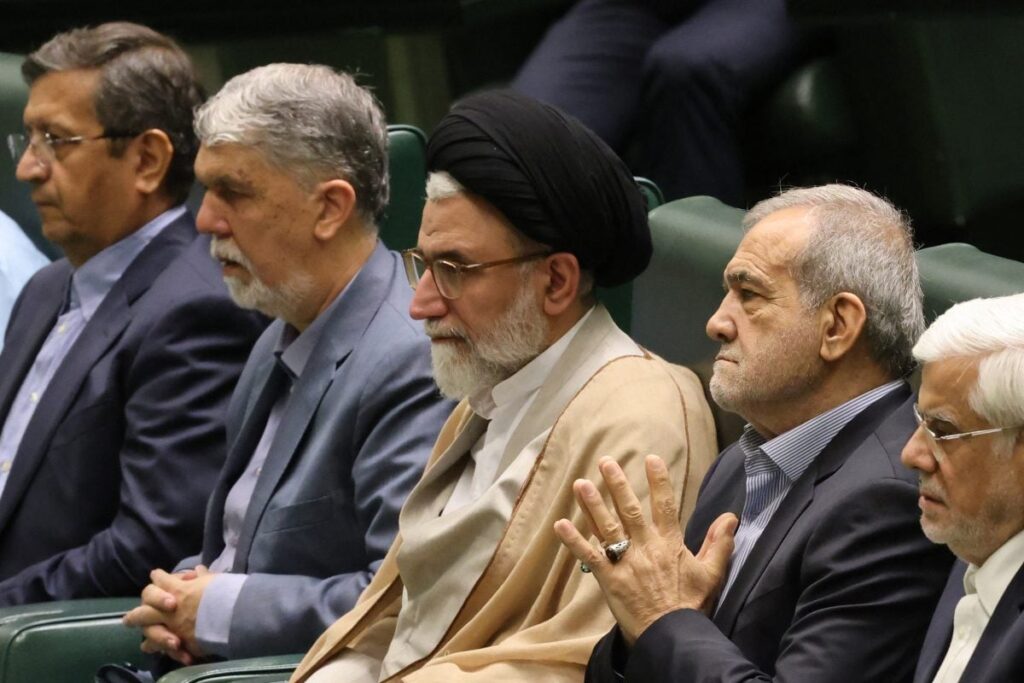
Israel announced on March 18 that it had killed Esmail Khatib, Iran’s Intelligence Minister and one of its most-wanted targets in Tehran’s senior leadership. The claim underscores the intensity of the campaign against Iran’s command structure.
Yet analysts quoted by CartaCapital caution against reading such strikes as fatal blows to the regime. Iran’s power structure, they argue, has already absorbed the initial shock of the US-Israeli attacks. Flexible command structures and deep institutional redundancy have historically allowed the Iranian system to adapt to the loss of senior figures — from Qassem Soleimani in 2020 to the current wave of targeted killings. The pillars holding the regime together, analysts say, remain intact for now.