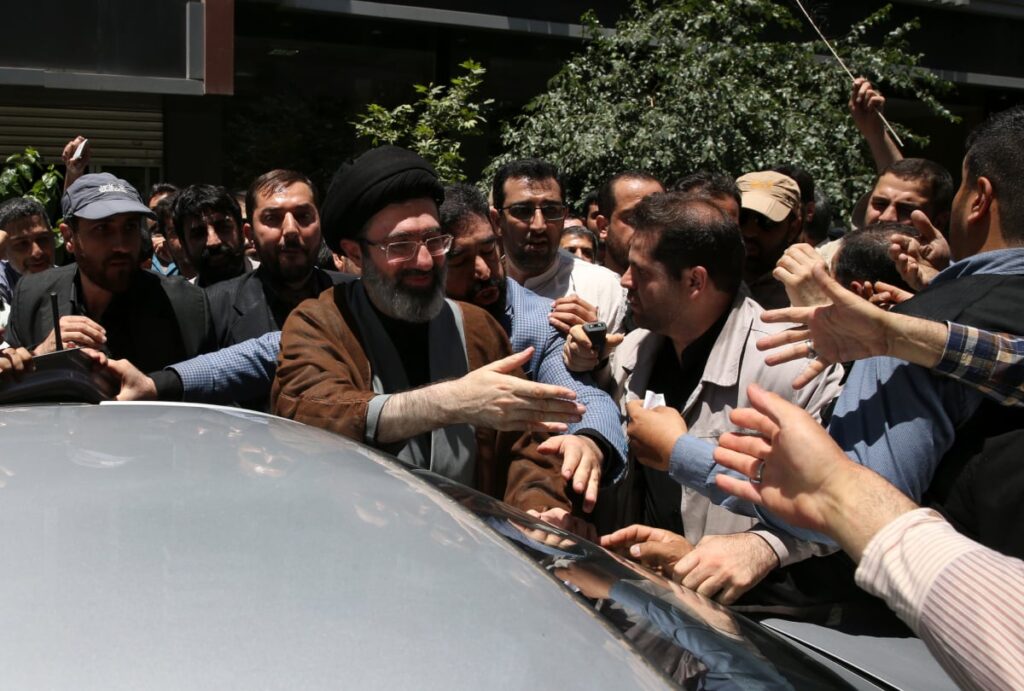
In a remarkable written statement released on June 18, Iran’s Supreme Leader Mojtaba Khamenei publicly disclosed that he had disagreed with the Memorandum of Understanding between Iran and the United States — but ultimately gave his consent. According to Reuters, as relayed by multiple Greek outlets, Khamenei said he authorized the deal out of deference to Iranian President Masoud Pezeshkian and other members of the Supreme National Security Council, who assured him they would accept responsibility for “safeguarding the rights of the Iranian nation and the resistance front.”
The statement was carefully worded. Khamenei stressed that future face-to-face negotiations should not be interpreted as acceptance of “the enemy’s viewpoint,” and warned that if the other side fails to honor its commitments, Iran would respond decisively. He also characterized the American president as having been driven to the deal “out of desperation.”
The geopolitical implications are significant. The U.S. naval blockade of Iran was formally lifted the same day, though American officials noted that warships would remain in the broader region. Vice President JD Vance, speaking at the Obama Presidential Center ceremony in Chicago, claimed the peace deal “is already bearing real fruits for the American people,” citing 12.5 million barrels of oil flowing through the Strait of Hormuz overnight and gas prices dipping below $4 for the first time since the conflict began.
Not everyone was celebrating. In a SPIEGEL talk, German Green Party politician Omid Nouripour offered a withering assessment: “The Americans have unconditionally capitulated.” He and U.S. expert Cathryn Clüver Ashbrook discussed how Trump’s original promise of regime change in Iran had ended in a deal that the mullahs themselves are openly celebrating — a dramatic reversal from the administration’s initial posture.