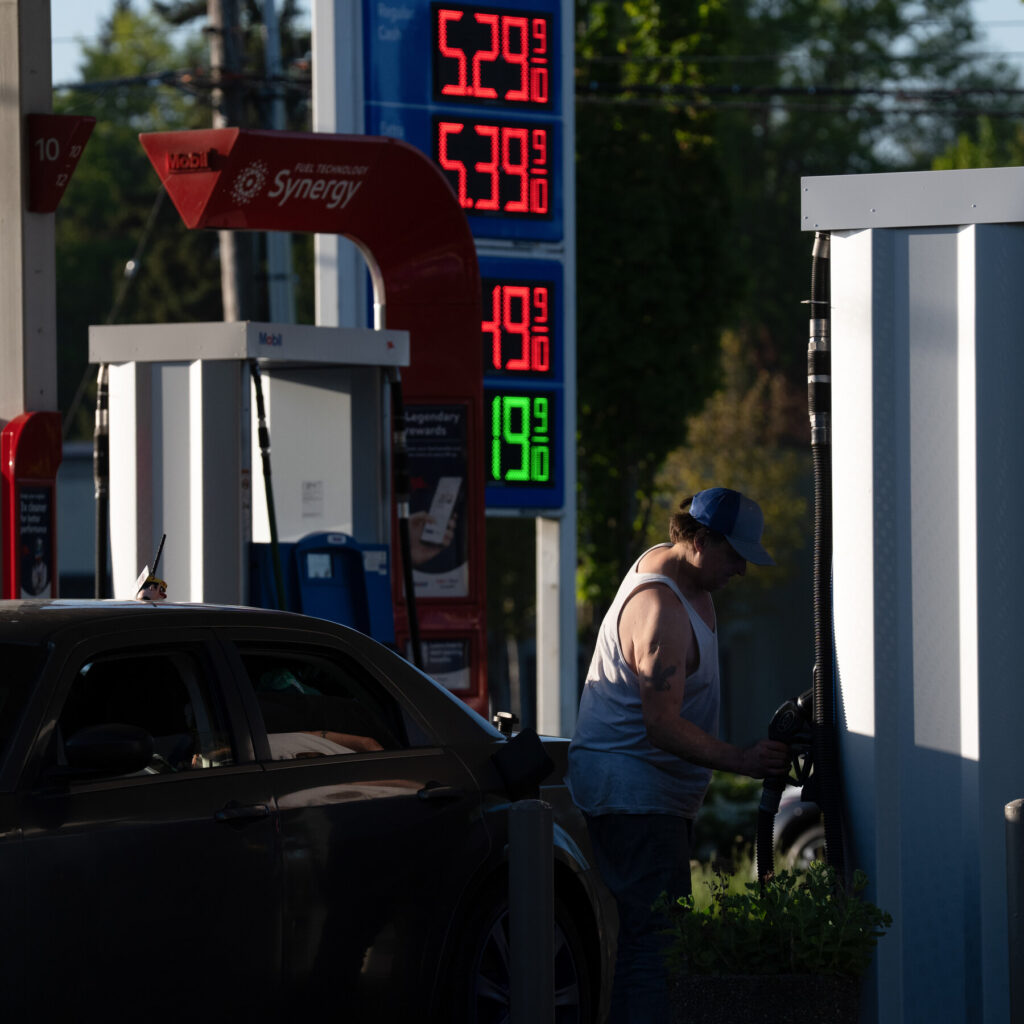
Back in the United States, the economic consequences of the Iran conflict are landing hardest on those who can least afford them. Gas prices have soared since the start of hostilities, and a New York Times analysis shows that lower-income Americans are bearing a disproportionate share of the burden. For households already stretched thin, rising fuel costs ripple through every aspect of daily life — from commuting to groceries.
Meanwhile, Cuba accused U.S. Secretary of State Marco Rubio of lying about the nature of the oil blockade after Rubio claimed, while guest-hosting the White House press briefing, that “there’s no oil blockade on Cuba, per se.” Havana sharply disputed the characterization, though the exchange highlights how the U.S. maximum-pressure energy strategy is generating friction on multiple fronts.