Across the Atlantic, Peru held its 2026 general elections on April 12 in a day marked by long lines, voter protests, allegations of identity fraud, and chaotic scenes at polling stations.
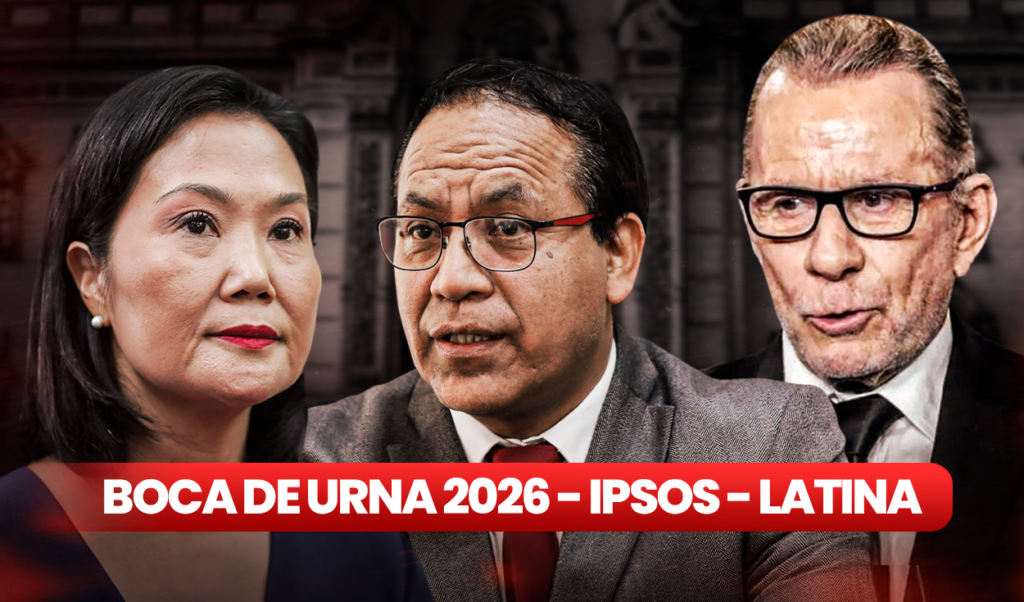
According to flash electoral results from Ipsos, Keiko Fujimori — daughter of imprisoned former president Alberto Fujimori — led the presidential field with 16.6%, followed by Roberto Sánchez at 12.1% and Ricardo Belmont at 11.8%. A separate Datum poll placed Fujimori at 16.5%, with Rafael López Aliaga at 12.8% and Jorge Nieto at 11.6%. The fragmented results all but guarantee a second-round runoff, though the identity of Fujimori’s opponent remained uncertain as votes continued to be counted.
The election day was anything but smooth. In San Juan de Miraflores, citizens attempted to force their way into a voting location to demand their right to vote. The Defensoría (ombudsman’s office) reported cases of suspected identity fraud in the regions of Arequipa and Puno. Peruvians voting abroad reported disorder and restrictions at consulates. Television personality Magaly Medina publicly clashed with election officials after casting her ballot, criticizing the organization of the vote.
Keiko Fujimori has asked the national election authorities (JNE and ONPE) to extend voting hours to “late at night” or even “until tomorrow.” Meanwhile, López Aliaga’s call to detain ONPE chief Piero Corvetto was sharply rebuked by politician José Luna, who called it “anti-democratic and dictatorial.” Roberto Sánchez, buoyed by exit polls showing him in second place, declared: “Peru wants reparation.”
Congressional races were also closely watched, with results trickling in from key regions including Lima Metropolitana, Piura, and Puno for both the newly reconstituted Senate and Chamber of Deputies.