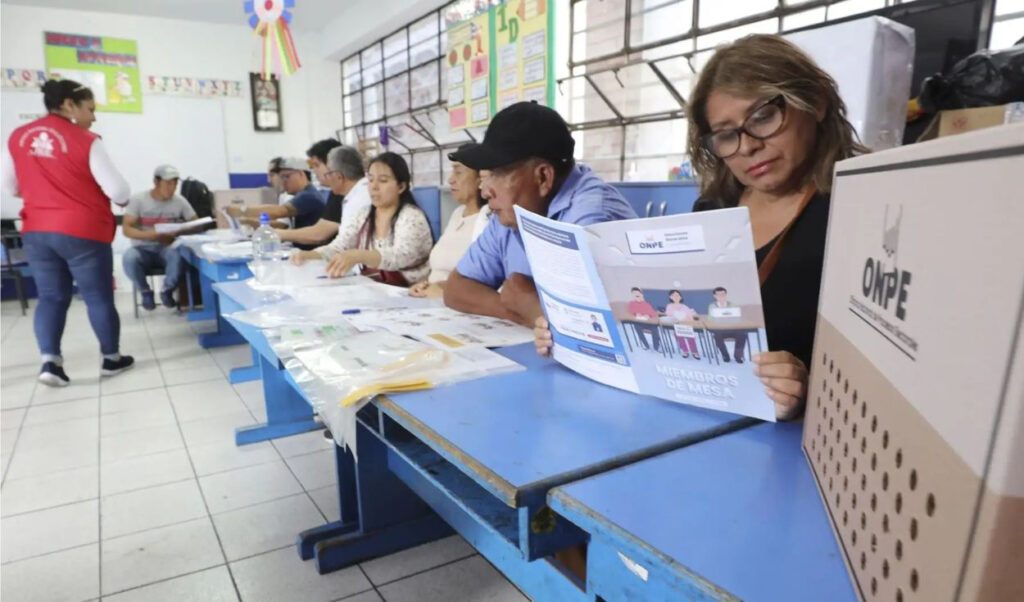
Across the Atlantic, Peru held its 2026 general elections under far less orderly circumstances. Citizens across Lima and other cities reported that polling stations failed to open on time due to missing electoral materials and absent poll workers. The National Jury of Elections (JNE) announced an emergency joint session with the national electoral office (ONPE) to address the delays.
President José María Balcázar cast his vote in Chiclayo, projecting calm. But the mood among candidates was less sanguine. Rafael López Aliaga, a prominent contender, alleged fraud and “attacks” against his candidacy, citing the material delays as evidence of sabotage. Meanwhile, former prosecutor Delia Espinoza publicly demanded the JNE allow her to exercise her right to vote after claiming she had been improperly barred from the electoral rolls.
The fines for not voting — which vary by district — served as a reminder that Peru enforces compulsory suffrage, making the logistical breakdowns all the more consequential for millions of citizens waiting in line.