Peru is grappling with overlapping human rights controversies that reveal deep institutional tensions.
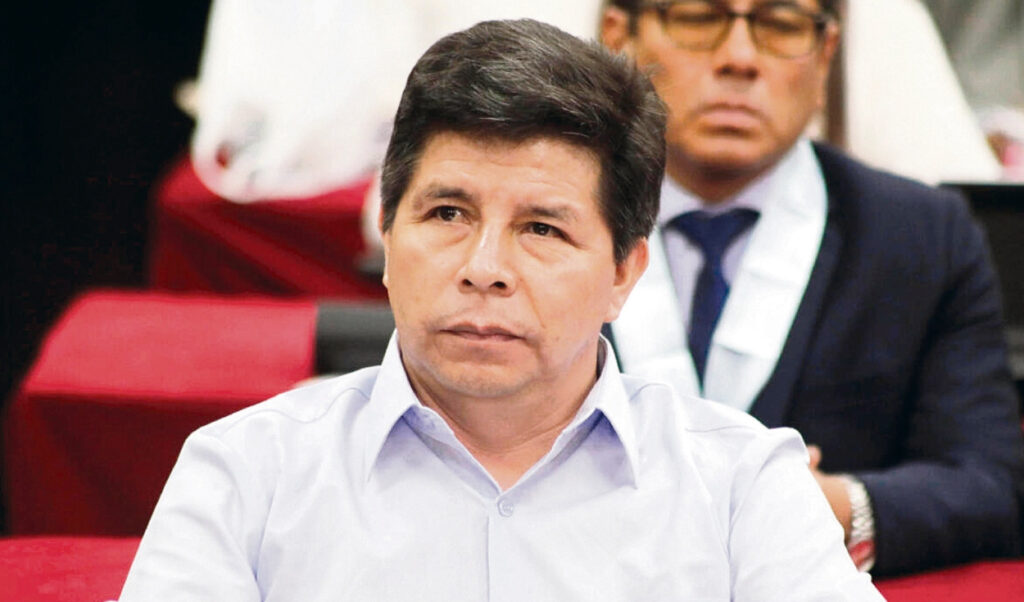
First, a United Nations Working Group on Arbitrary Detention concluded that the detention of former President Pedro Castillo was arbitrary and recommended his release. Castillo has been imprisoned since December 2022 following his failed attempt to dissolve Congress and rule by decree. The UN finding, while not legally binding, puts international pressure on the Peruvian government and reignites debate about the legal basis for his continued incarceration.
Second, Peru’s Congress approved — in a second and final vote — the incorporation of crimes against humanity into the country’s Penal Code. This is a significant legislative development that could shape how past and future atrocities are prosecuted in Peru.
Third, and in apparent tension with that congressional action, former Attorney General Patricia Benavides has asked Peru’s Supreme Court to apply a controversial amnesty law to a former military commander prosecuted for human rights violations. The request underscores the political battle lines in Peru: even as the legislature moves to codify the most serious international crimes, powerful voices are simultaneously seeking to shield military figures from accountability for past abuses.
Taken together, these developments paint a picture of a country at a crossroads — unsure whether to confront its past or shield those who shaped it.