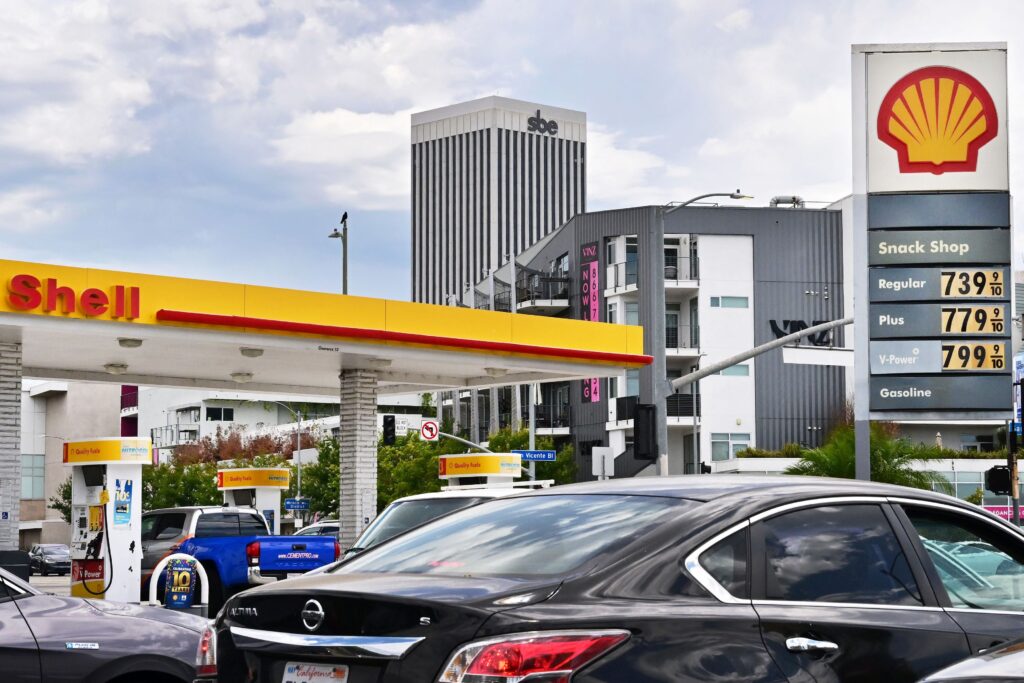
The economic shockwaves of the ongoing war in Iran reverberated across the globe on Thursday, as Brent crude oil surged 5.66% to close at $108.01 per barrel — briefly touching $110 for the first time since a dip earlier in the week. The US benchmark West Texas Intermediate jumped 4.61% to $94.48.
The spike was driven by contradictory signals from President Donald Trump. Markets had begun to calm after reports that Iran was studying a US proposal, but Trump then indicated he might not make concessions, sending traders rushing back to buy. “The market was showing signs of calming down… but then President Trump indicated that he might not make concessions,” analyst Phil Flynn of Price Futures Group noted.
Half a world away, New Zealand unveiled the details of its National Fuel Plan, a four-phase strategy to manage what the government is calling a fuel crisis driven directly by the war in Iran. The country is currently in Phase 1 of the plan, though the government did not elaborate publicly on what triggers escalation to subsequent phases. The announcement underscores just how far the conflict’s disruptions — particularly in the strategically vital waterways of the Middle East — are reaching.