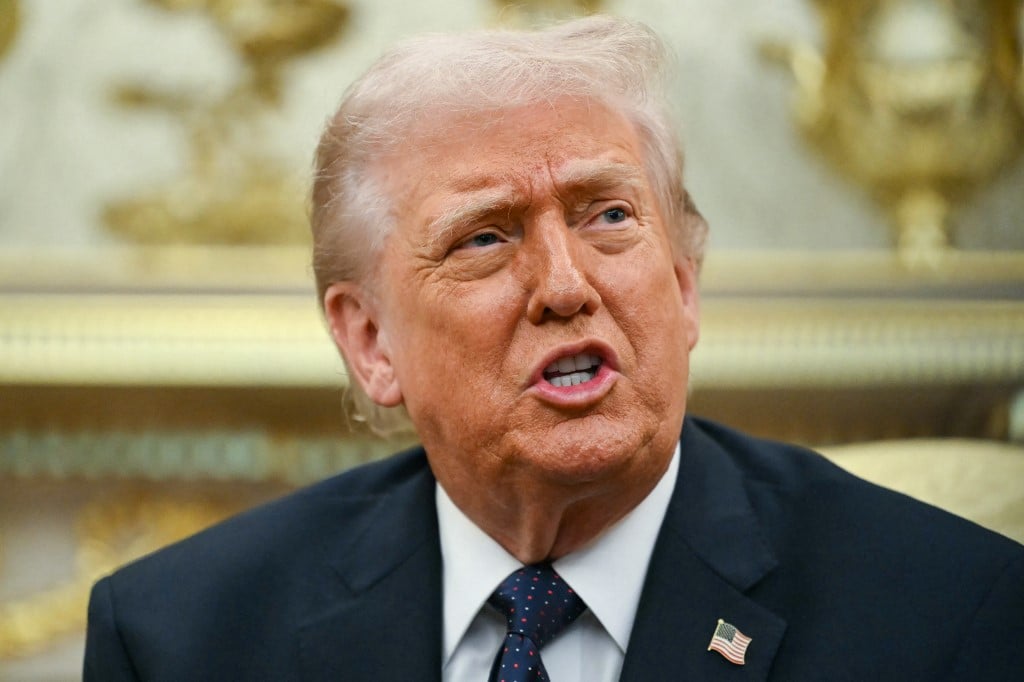
The most consequential story of the day — and potentially of the year — continued to unfold across the Middle East. US President Donald Trump issued a stark ultimatum to Iran: reopen the Strait of Hormuz within 48 hours or face the destruction of its energy infrastructure. “Annihilate” was the word Trump reportedly used, according to Brazilian outlet Carta Capital.
The threat came as the confrontation between the US-Israeli coalition and Iran entered its fourth week. Since the US and Israel launched military operations against Iran on February 28, Tehran has responded by shutting down the Strait of Hormuz — the narrow waterway through which roughly a fifth of the world’s oil supply passes. The closure has sent shockwaves through global energy markets and raised the spectre of a full-blown regional war.
On the ground, the violence was already escalating. The Guardian reported that Iranian missile strikes wounded approximately 200 people in the southern Israeli cities of Arad and Dimona — both located near Israel’s Dimona nuclear facility. Among the injured were a 12-year-old boy and a five-year-old girl, both in serious condition. Israeli air defence systems reportedly failed to intercept the projectiles, a worrying development for a country that has long prided itself on its Iron Dome and Arrow missile shields.
By Sunday, blasts were heard over Jerusalem as the Israeli military warned of incoming missile fire toward central Israel. Iran, for its part, warned of “irreversible damage” to the region if its power plants were attacked, signalling that any strike on Iranian energy infrastructure could trigger an even more devastating response.
Meanwhile, Israel announced it had killed a senior Hamas financial operative, Walid Mohammad Deeb, in an airstrike in Lebanon. According to a joint statement from the IDF and the Shin Bet, Deeb was responsible for transferring funds to Hamas cells across Lebanon, the West Bank, and Syria, and had been involved in recruiting new members and directing operations.
The ripple effects of the conflict are already being felt far from the battlefield. In Greece, the European Medicines Agency and national regulators have been placed on heightened alert over potential pharmaceutical shortages linked to the war, according to Ethnos. A Harvard professor quoted by Norway’s Dagbladet warned that Western efforts to make Russian oil politically toxic could now be rendered futile, as the crisis reshuffles global energy alliances.