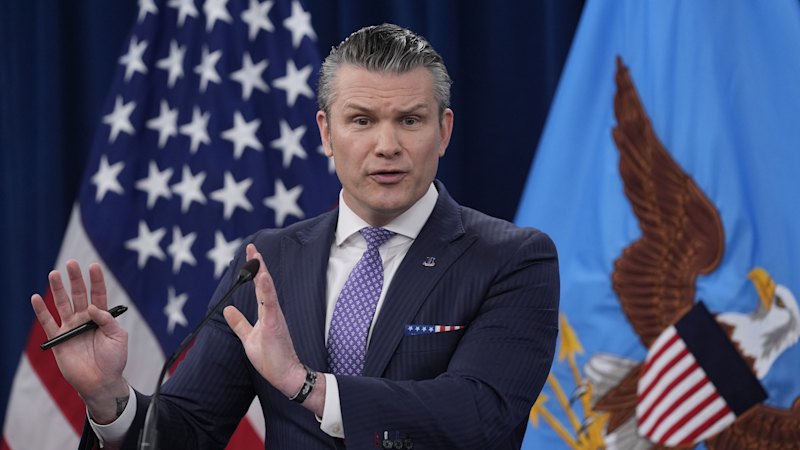
In what may prove to be the most consequential geopolitical signal of the year, the United States has put the world on notice: it could end its military engagement in Iran while leaving the Strait of Hormuz — through which roughly a fifth of global oil supply passes — still closed. President Trump and his defence secretary played down the strait’s importance to the US, even as the average American petrol price tipped over US$4 a gallon for the first time since 2022.
Commentary in the Sydney Morning Herald and The Age went further, characterizing the Trump administration as a “kleptocracy” whose financial entanglements may paradoxically hasten a ceasefire. The argument: Trump and his associates hold significant investments in pro-US Gulf states, and those assets could be devastated by a sustained Iranian retaliatory campaign. In this reading, personal financial exposure — not diplomacy — may be the strongest brake on escalation.
Meanwhile, in the eastern Mediterranean, Israel issued a fresh round of threats against Lebanese villages, with the Lebanese Health Ministry reporting 1,247 people killed by Israeli attacks to date. The widening arc of conflict from the Gulf to the Levant is creating cascading energy-market anxiety that is now washing up on very distant shores.