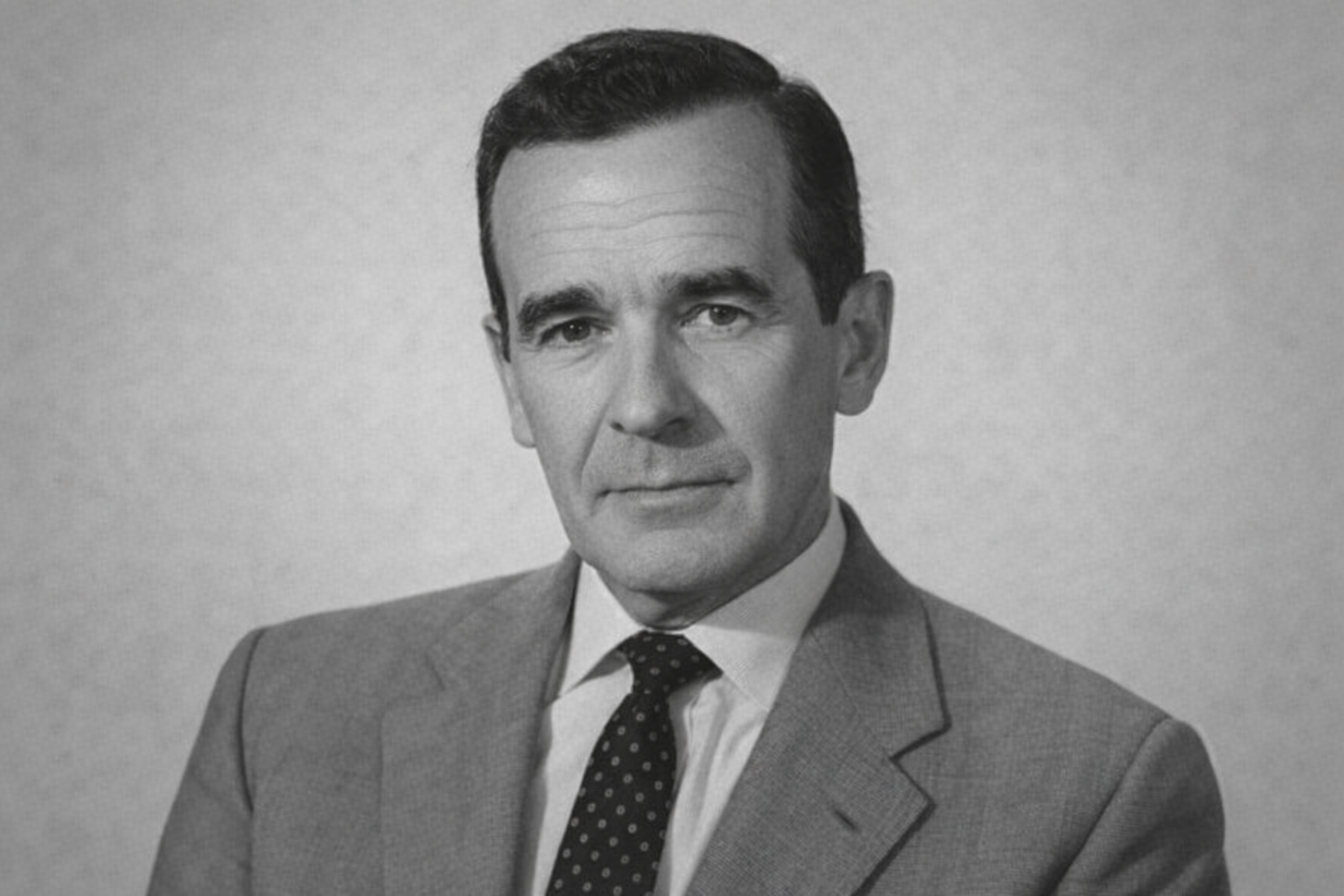
U.S. Senator Lindsey Graham of South Carolina died on Saturday evening, July 11, at the age of 71, following what his office described as “a brief and sudden illness.” The news reverberated across Washington and world capitals, not least because Graham had been in Kyiv, Ukraine, just the day before his death.
Graham was one of President Trump’s most prominent allies in Congress — a remarkable transformation for a politician who had once been among Trump’s fiercest Republican critics. As Der Spiegel noted in its obituary, headlined “First opponent, then fan,” Graham’s political arc traced one of the most dramatic loyalty shifts in modern American politics. His death leaves a significant void in the Republican caucus and raises immediate questions about his Senate seat and the future of the hawkish foreign policy positions he championed.