In a fast-moving geopolitical drama, U.S. President Donald Trump backed away from a controversial proposal to charge a 20 percent transit fee for guarding the Strait of Hormuz — one of the world’s most critical oil shipping lanes — less than five hours before it was set to take effect.
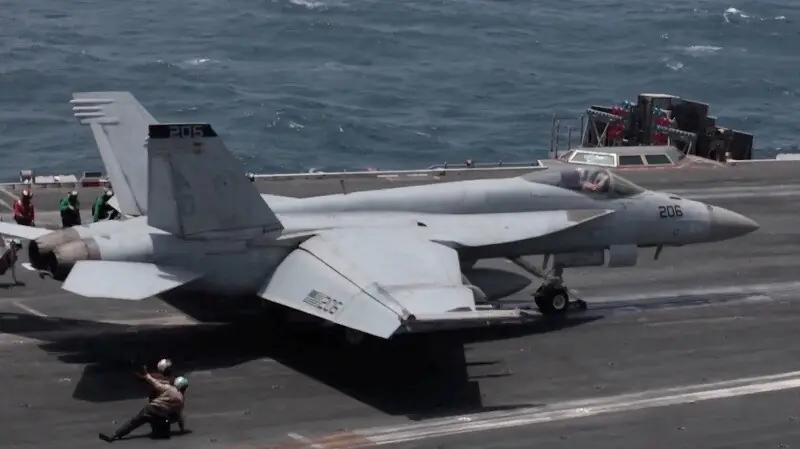
The proposed fee had followed Tehran’s declaration that it was closing the strait, which prompted the U.S. to reinstate a blockade on Iranian shipping and carry out waves of military strikes for a third consecutive night. Trump had floated the fee on Monday but reversed course on Tuesday after what he described as “highly productive conversations with Middle East leadership.”
Instead of the fee, Trump said the strait would remain open to all shipping traffic except Iran’s, and announced he would pursue investment deals with Gulf states. The rapid policy pivot underscored the volatility of the standoff, which has kept global energy markets on edge.