The most consequential story of the week is unfolding across the Middle East. On Wednesday night, the United States resumed bombing Iran for a second consecutive day, following the downing of an American helicopter by an Iranian drone on Monday.
US Central Command (CENTCOM) confirmed in a social media post that the military struck “multiple targets in Iran,” describing the operations as carried out “in response to Iran’s unwarranted and continued aggression.” Iranian media reported explosions along the country’s southern coast, near the strategically critical Strait of Hormuz.
President Donald Trump accused Tehran of stalling peace negotiations, claiming Iran was mocking the United States by delaying an agreement. In a remarkable twist, Trump also stated he had spoken directly with Iranian officials — a claim Iranian state media flatly denied, calling it a “false assertion.”
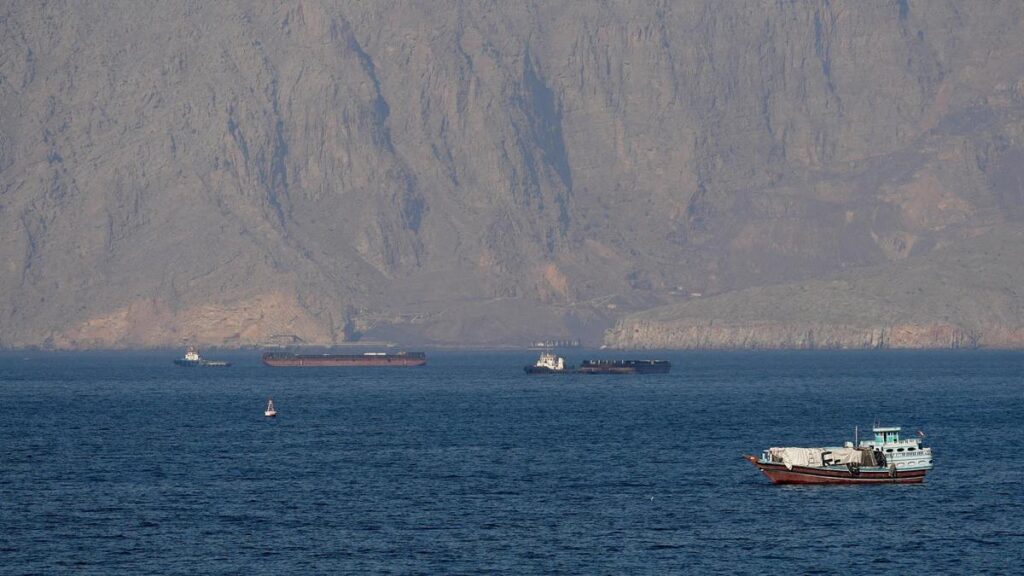
The escalation took on an even more dangerous dimension when Iranian officials confirmed they would target any vessel traffic in the Strait of Hormuz, a chokepoint through which roughly one-fifth of the world’s oil supply passes daily. Australian media reported that Iranian officials had effectively confirmed the strait was closed, a development with potentially enormous consequences for global energy markets and supply chains.
The situation remains volatile. The confluence of active military strikes, disputed diplomatic back-channels, and threats to critical shipping lanes has created one of the most precarious geopolitical moments in years.