
Could artificial intelligence prevent the next pandemic? Cure Alzheimer’s? Accelerate cancer treatment? According to a detailed report in Greece’s Ta Nea, these questions are no longer theoretical.
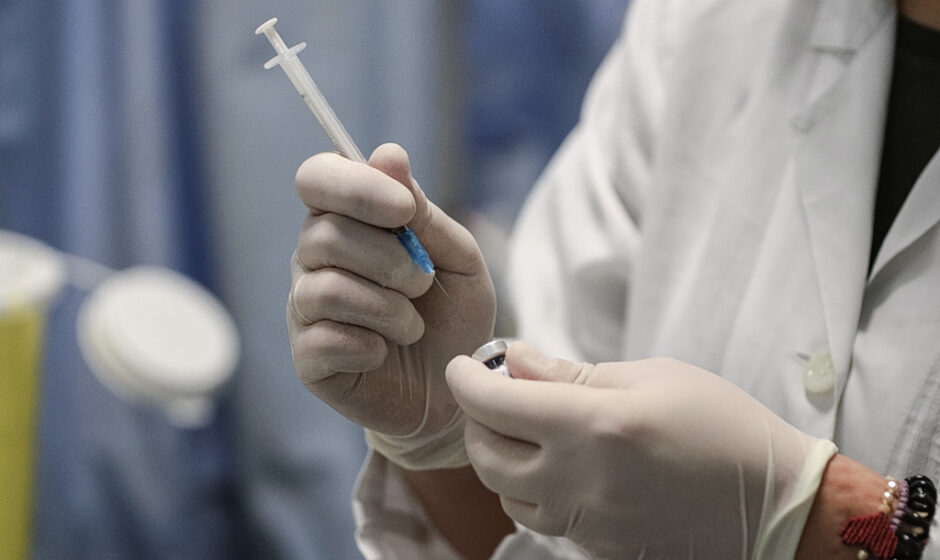
Approximately 170 drugs that were either discovered or designed with the help of AI are now in clinical trial stages. Researchers expect 2026 and 2027 to be landmark years that reveal both the capabilities and limitations of AI in one of science’s most critical fields.
The early signals are encouraging. Just days ago, researchers at the University of Cambridge announced promising initial results. The pharmaceutical industry is watching closely: if even a fraction of these AI-assisted compounds prove effective, it could fundamentally reshape how medicines are developed — slashing timelines that traditionally stretch over a decade.