
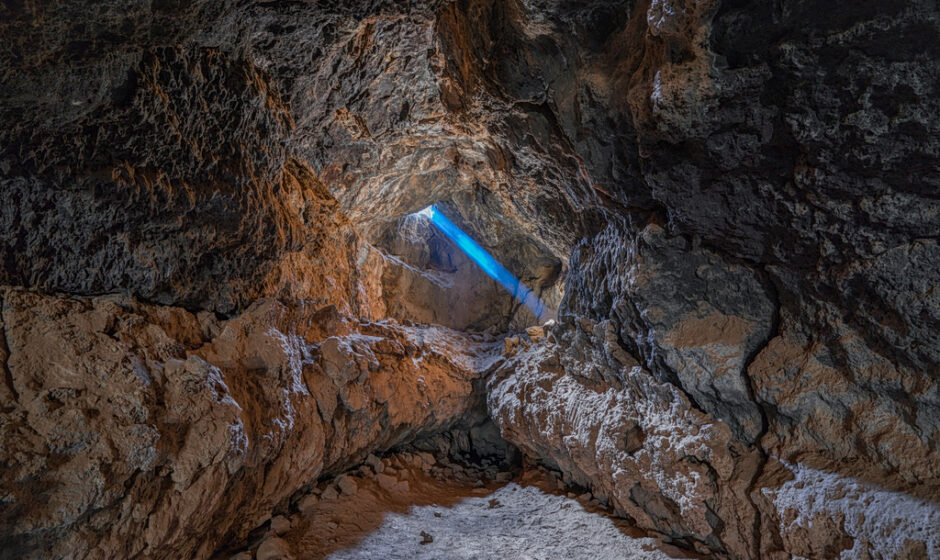

From the frozen depths of a Romanian cave comes a discovery that could reshape our understanding of one of modern medicine’s gravest challenges. Scientists have isolated a bacterium that spent roughly 5,000 years trapped in layers of ice — millennia before humans ever discovered or used antibiotics. Yet this ancient microorganism displays remarkable resistance to a wide range of modern drugs.
The find, reported by Ta Nea, effectively debunks the long-held assumption that antibiotic resistance is primarily a modern phenomenon driven by the overuse of pharmaceuticals. The bacterium, belonging to the genus Paenibacillus, survived in a stable, frigid underground environment where the ice acted as a natural “time capsule.” Genetic analysis revealed resistance genes that evolved independently of human activity, suggesting that the arms race between microbes and antimicrobial compounds is far older — and far more complex — than previously understood.
