
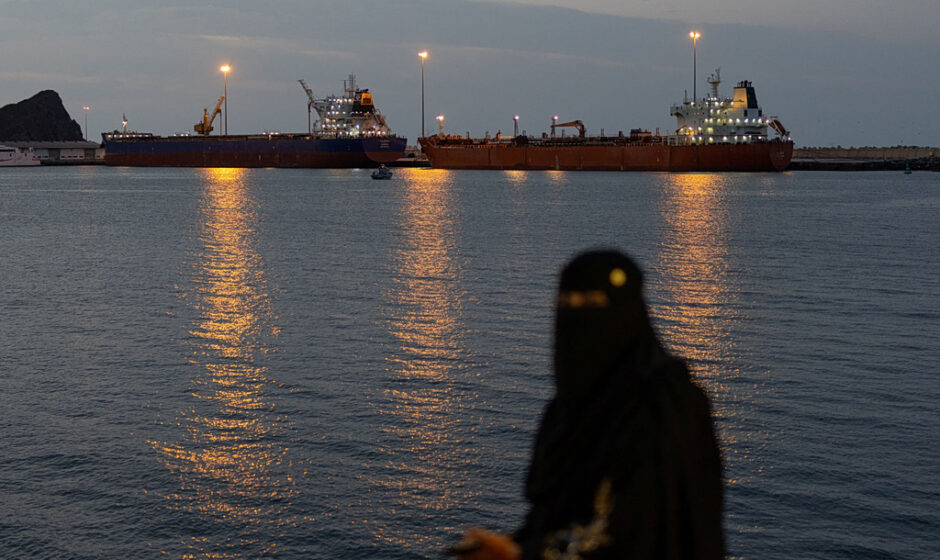

Perhaps the most tangible sign that the ceasefire is holding came Wednesday, when maritime monitor MarineTraffic confirmed that two ships had passed through the Strait of Hormuz — the first since hostilities shut down the critical waterway. The Greek-owned bulk carrier NJ Earth crossed at 08:44 UTC, followed by the Liberia-flagged Daytona Beach, which had departed Bandar Abbas earlier that morning.
But the challenge ahead is staggering. More than 800 commercial vessels remain trapped in the Persian Gulf, creating a maritime backlog of historic proportions. Roughly 20% of the world’s oil and liquefied natural gas supply passes through this narrow strait, and the coming two weeks represent what Greek media described as a “race against time” to clear the congestion. Insurance companies, shipowners, and crews face unprecedented risk, as passage without security guarantees remains a gamble.