
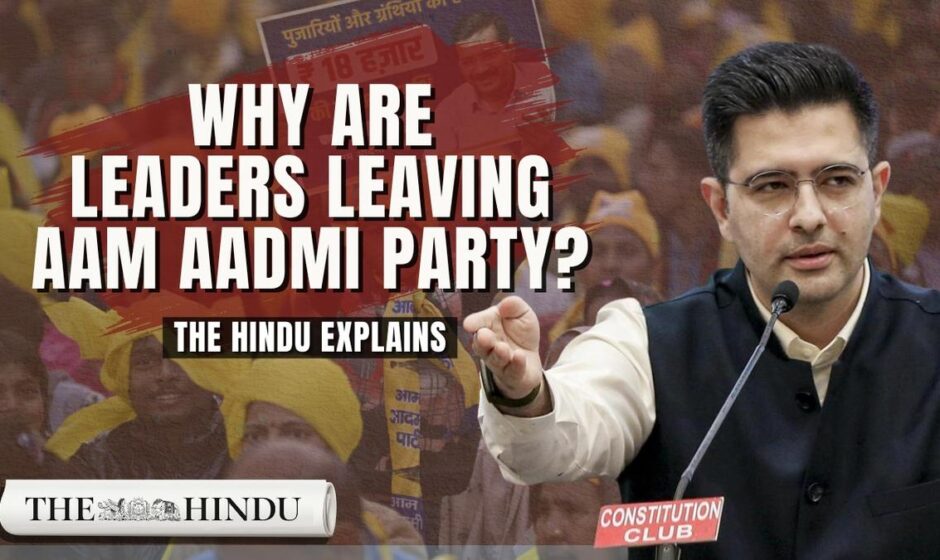
Indian politics was rocked by one of the most dramatic defections in recent memory. Raghav Chadha — a senior leader of the Aam Aadmi Party (AAP) — along with six other Rajya Sabha MPs announced they were joining the ruling Bharatiya Janata Party (BJP), claiming the move constituted a formal merger under constitutional provisions.
The numbers are staggering: AAP’s strength in India’s Upper House plummeted from 10 seats to just 3 — a 70% drop overnight. For Arvind Kejriwal’s party, which once represented a bold anti-corruption movement that captured the imagination of urban India, the defection raises existential questions. Can AAP survive as a viable national force, or has it been hollowed out from within?
The mass departure to the BJP suggests the ruling party’s gravitational pull on smaller opposition forces continues to intensify, a pattern that has reshaped India’s political landscape over the past several years.