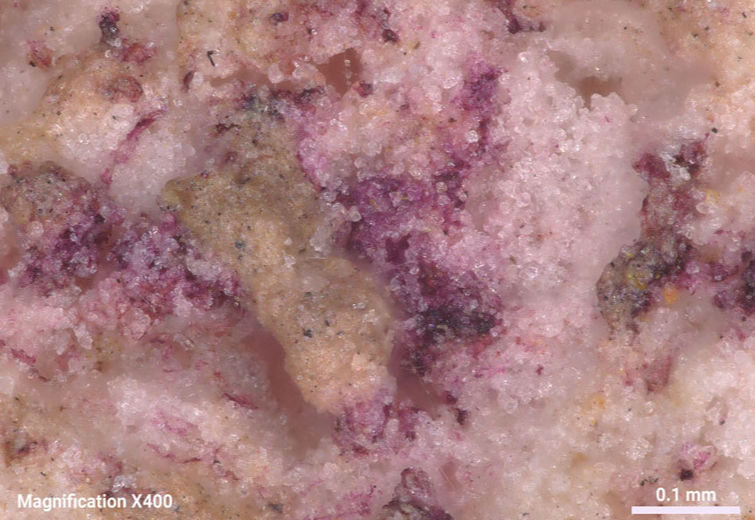
Two archaeological stories this week offered windows into remarkably different ancient worlds. At the University of York, researchers identified traces of Tyrian purple — the fabulously expensive dye made from crushed murex sea snails and reserved for emperors and aristocrats — on textiles wrapping two Roman-era infant burials approximately 1,700 years old. The discovery, made possible by chemical analysis of plaster casts that had preserved the fabric, suggests these children came from families of extraordinary wealth or status.
Meanwhile, in Scotland, archaeologists have developed a new precision mapping technique for crannogs — artificial islands built on lakes dating back to the Neolithic period. These structures, constructed from stone, wood, and other materials, contain invaluable archaeological and environmental data about ancient societies but have long been exceptionally difficult to document due to their submerged locations.