Executive Summary
The United States is set to impose a naval blockade on Iran’s Gulf ports via the Strait of Hormuz starting today, dramatically escalating tensions after peace talks collapsed. Pope Leo XIV has deepened his public rift with President Trump, vowing to continue speaking “with all his strength” against the war. Turkey’s foreign minister accused Israel of trying to cast Ankara as its “new enemy,” signalling a dangerous new axis of tension in the eastern Mediterranean. In Europe, Hungary’s Peter Magyar signalled a sharp break with the Orbán era, and a French court convicted cement giant Lafarge and eight former executives of financing terrorism in Syria.
Top Stories
US naval blockade of Iran’s Gulf ports set to begin
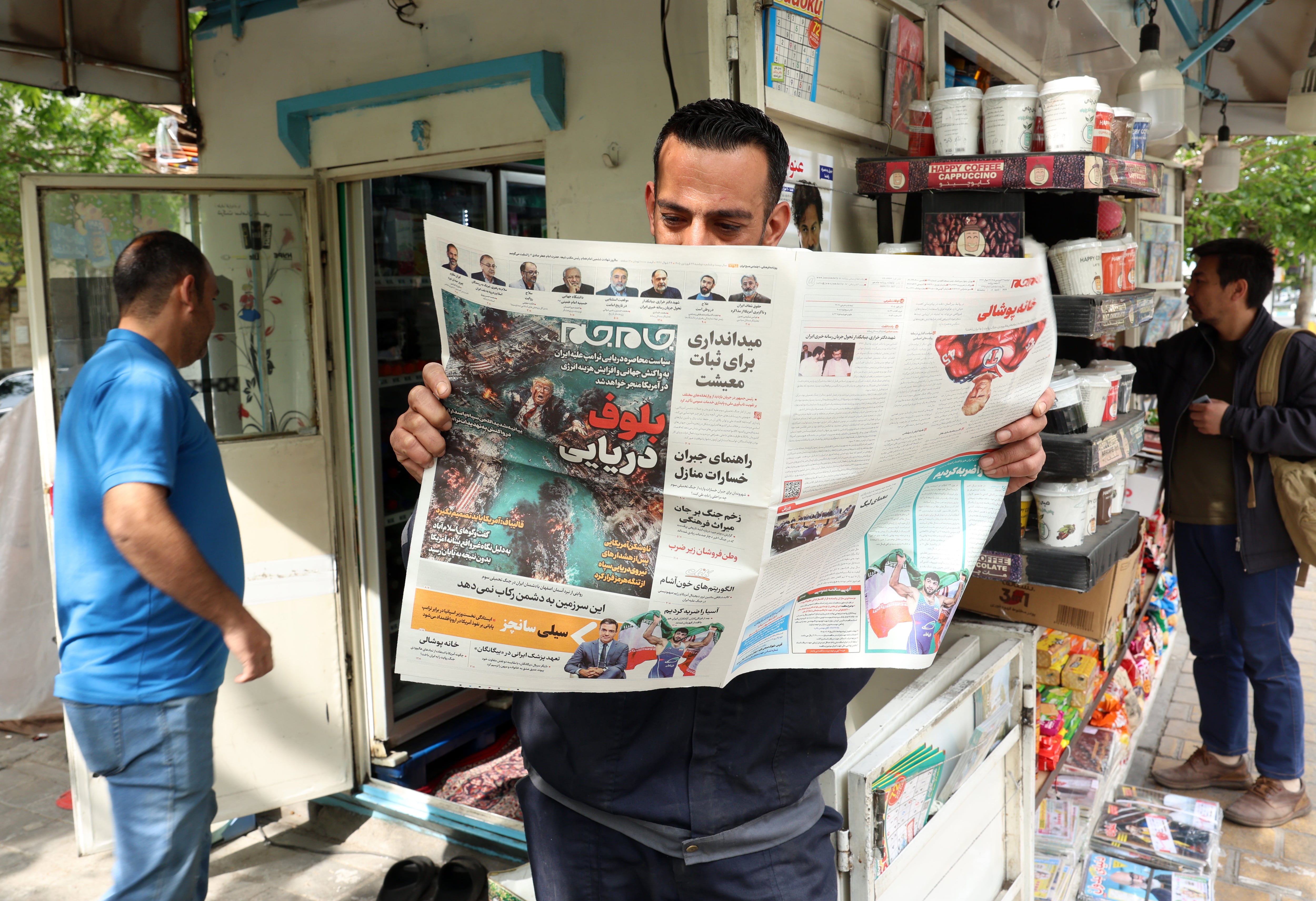 |
Sources: The Guardian, El País Summary: US Central Command announced that a blockade of all Iranian Gulf ports will commence at 10:00 AM ET (14:00 GMT), effectively seizing control of maritime traffic through the Strait of Hormuz after 21 hours of failed US-Iran peace talks. Iran has threatened retaliatory attacks on regional ports ahead of the blockade’s enforcement. Why It Matters: The Strait of Hormuz handles roughly one-fifth of global oil traffic. A full naval blockade risks a major military confrontation and could send energy prices soaring, with global supply-chain repercussions. |

Pope Leo XIV deepens rift with Trump over Iran war
 |
Sources: The Guardian, Ethnos Summary: Pope Leo XIV declared he will continue to speak “with all my strength against war,” saying “innocent people are being killed” and “someone must stand up and say there is a better way.” The remarks came after a scathing attack from President Trump. The pontiff said he has “no intention to debate” the US president. Why It Matters: The public clash between the Vatican and the White House adds a powerful moral voice to growing international opposition to the Iran campaign, potentially influencing Catholic-majority nations’ diplomatic stances. |

Turkey accuses Israel of seeking to declare it “new enemy”
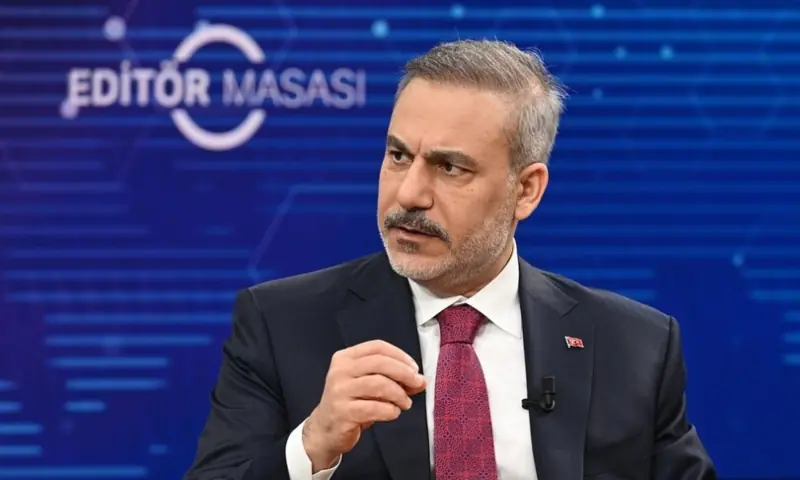 |
Sources: Dawn, Ethnos Summary: Turkish Foreign Minister Hakan Fidan said Israel “cannot live without an enemy” and is now strategically repositioning to treat Türkiye as its primary adversary after Iran. Fidan also criticised Greece and Cyprus’s cooperation with Israel, saying it “brings more problems and war” to the region. He called for a mutual security pact guaranteeing territorial integrity in the eastern Mediterranean. Why It Matters: Fidan’s comments suggest Turkey is preparing for a prolonged strategic rivalry with Israel, with implications for NATO cohesion, eastern Mediterranean energy politics, and the broader reconfiguration of Middle Eastern alliances. |

Lafarge and eight former executives convicted of terrorism financing in Syria
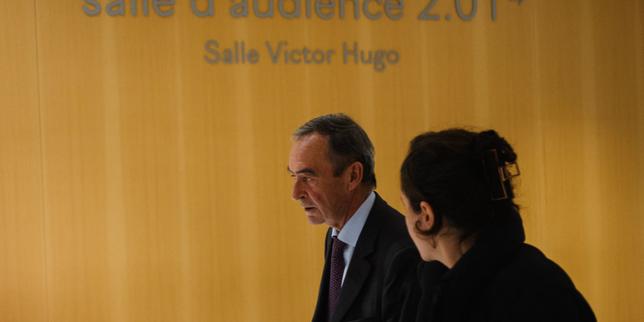 |
Sources: Le Monde Summary: A Paris court found cement manufacturer Lafarge and eight of its former executives guilty of financing terrorism in Syria during 2013–2014. Former CEO Bruno Lafont was among those convicted. The case centred on payments made to armed groups, including ISIS, to keep a factory operational during the Syrian civil war. Why It Matters: The landmark ruling is one of the first times a major multinational corporation has been convicted of terrorism financing, setting a significant legal precedent for corporate accountability in conflict zones. |

Hungary’s Magyar pledges “free, European” Hungary in break with Orbán era
Sources: The Guardian
Summary: Tisza party leader Péter Magyar thanked voters and announced his new administration will be “well-functioning and compassionate,” signalling a decisive break from Viktor Orbán’s nationalist policies. Magyar, who once idolised Orbán as a pro-democracy figure, pledged to reorient Hungary toward European values.
Why It Matters: A pro-European Hungarian government could unblock stalled EU decisions requiring unanimity, release frozen EU funds, and alter the bloc’s posture on Russia and rule-of-law disputes.
Russia and Ukraine trade accusations over Easter ceasefire violations
 |
Sources: Tanea Summary: Russia’s defence ministry claimed Ukraine violated the 32-hour Easter ceasefire a total of 6,558 times, while Ukraine levelled counter-accusations at Moscow. The truce, in effect from Saturday afternoon through Sunday midnight, was intended as a humanitarian pause. Why It Matters: The mutual accusations underscore the fragility of any pause in hostilities and cast doubt on prospects for broader negotiations, even as international mediators push for a sustained ceasefire. |

Regional Roundup
Americas
- Peru presidential election count underway: Peru’s national elections agency (ONPE) is releasing regional results from the 2026 presidential election, with counts reported from Puno, Ucayali, and Moquegua. (La República)
- Spain mask procurement trial begins: Former Spanish minister José Luis Ábalos, aide Koldo García, and businessman Víctor de Aldama face trial at the Supreme Court over a pandemic-era mask procurement scandal. (El País)
Europe
-
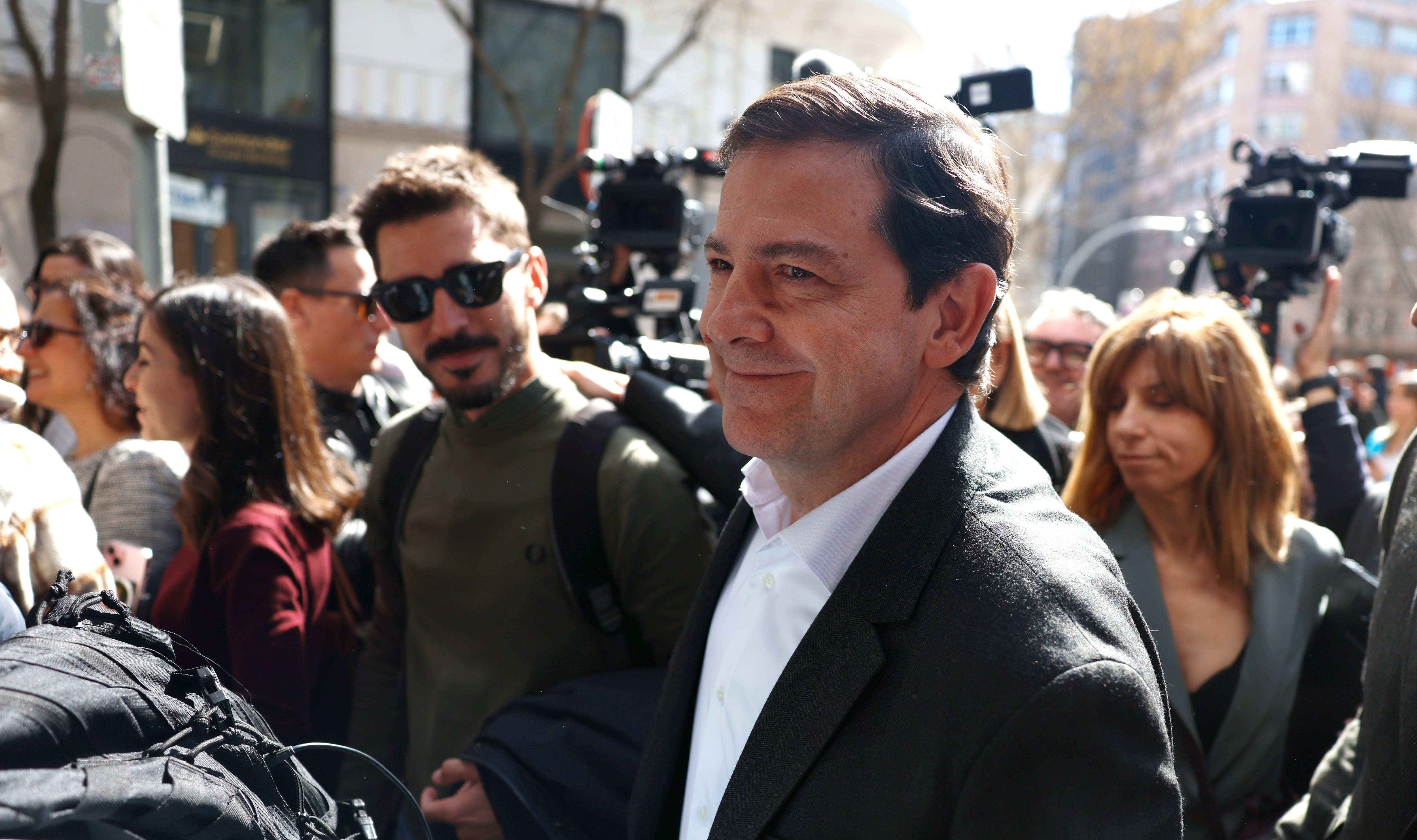
Spain — PP and Vox reach agreement for the governing board of the Castilla y León parliament, consolidating the right-wing bloc in the region. (El País) - Germany — FAZ names first female editor: The Frankfurter Allgemeine Zeitung appointed jurist Helene Bubrowski as editor, the first woman in the role since the newspaper’s founding. (Der Spiegel)
- Germany — Keytruda cost debate: The cancer immunotherapy drug Keytruda is hailed as life-saving but is placing growing financial strain on Germany’s health-care system. (Der Spiegel)
- Libya — Tripoli zoo reopens after 17 years of closure due to civil conflict, a small symbol of the country’s fragile peace. (Kjarninn/Heimildin)
Middle East & Africa
- Egypt — Warraq Island clashes: Residents of Warraq Island in Cairo clashed with police for two consecutive days, throwing stones after security forces detained locals protesting restrictions on ferry access. (Mada Masr)
-
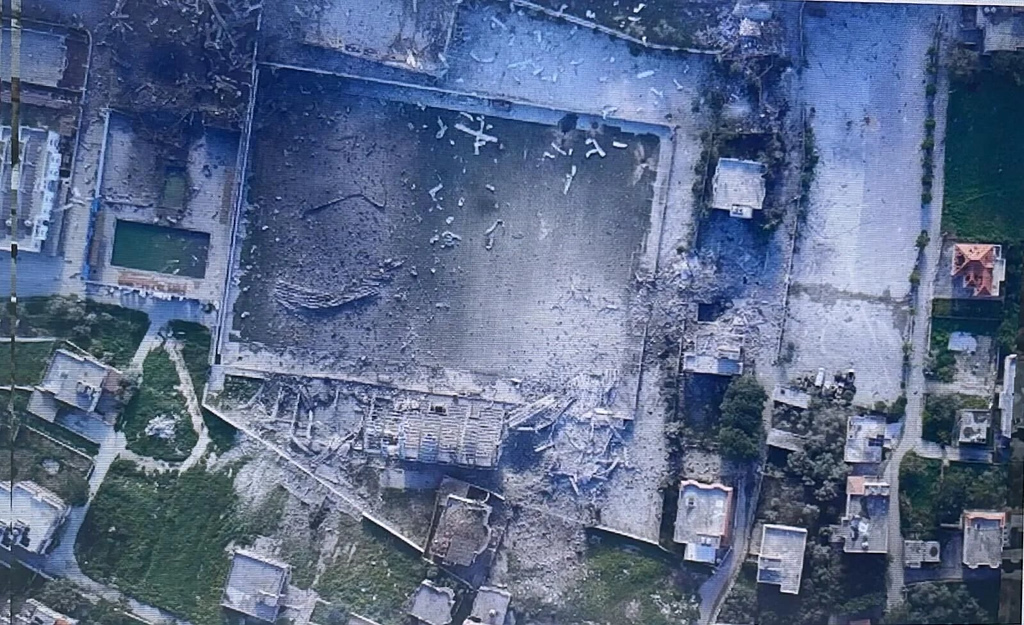
Lebanon — IDF seizes Bint Jbeil stadium, the site where Hezbollah’s late leader Hassan Nasrallah delivered his famous 2000 victory speech, in a move laden with symbolism. (Tanea) Asia-Pacific
-
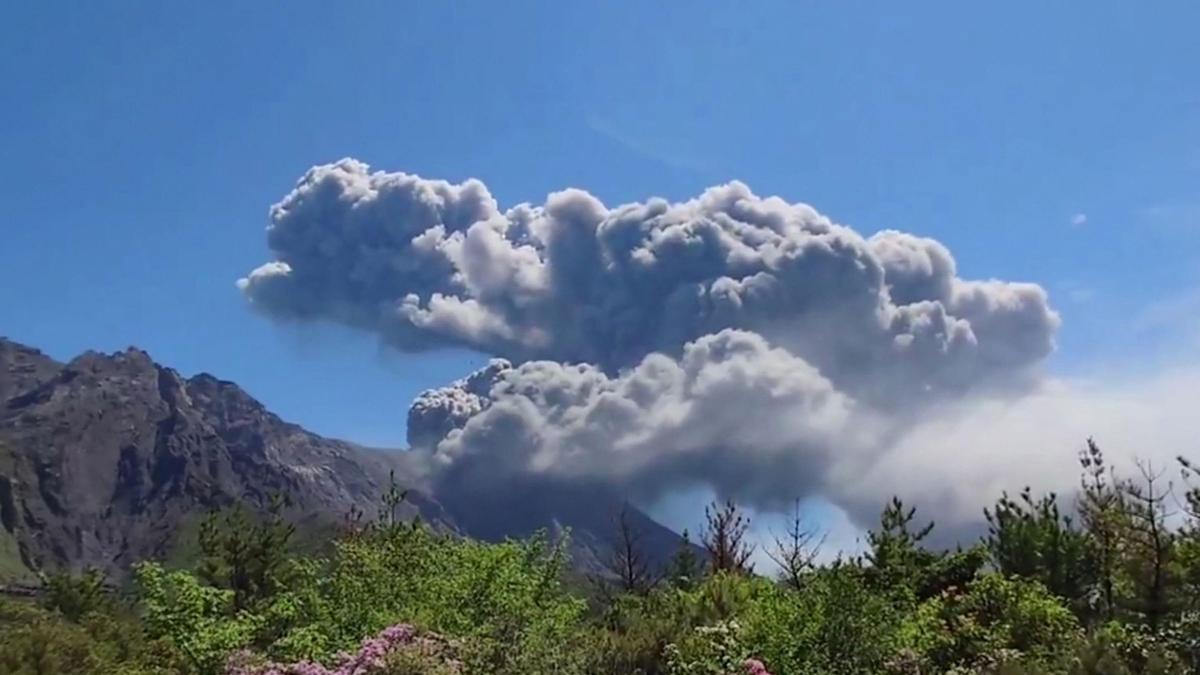
Japan — Sakurajima volcano erupts, sending ash plumes 3.4 km high in its first major eruption since December, prompting local warnings. (The Hindu, Tanea) - India — Assembly election campaigns intensify across West Bengal, Tamil Nadu, and other states, with heated rhetoric between ruling BJP and opposition parties. Noida saw violence as factory workers protesting low wages blocked roads. (The Hindu)
Australia — Villawood immigration detainee escapes, triggering a police manhunt across Sydney’s west. New details emerged about how the detainee breached custody. (SMH, The Age) Transparency & Press Freedom
-
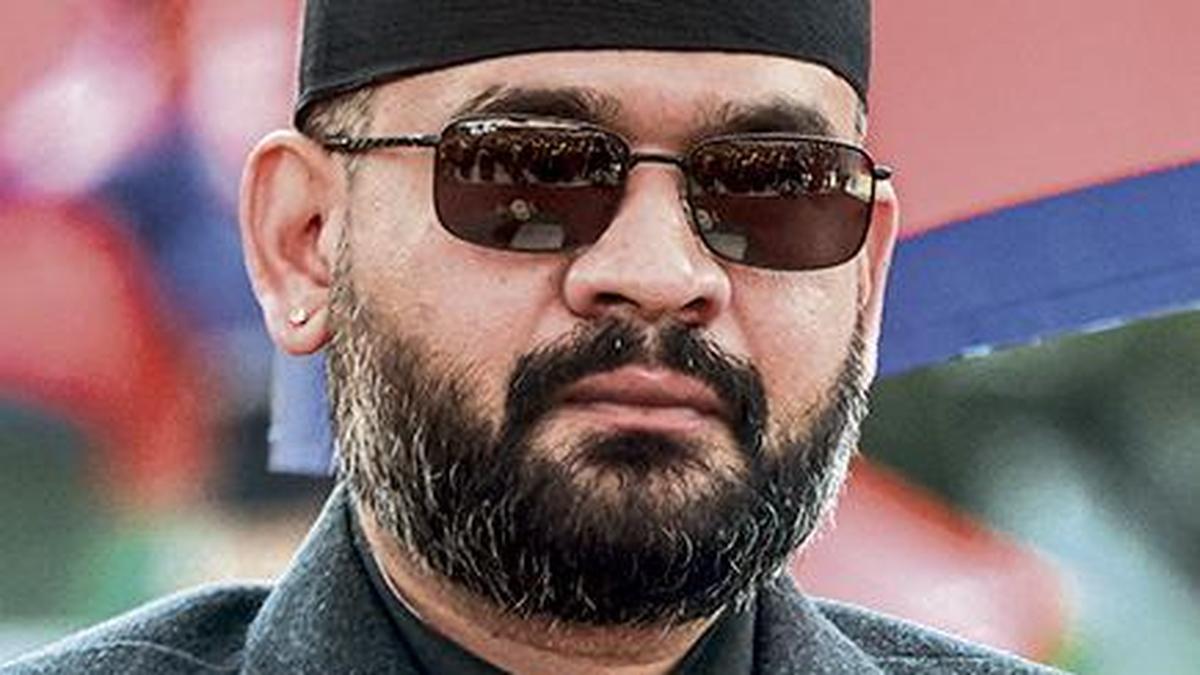
Nepal journalist arrested for criticising PM, released after protests: Roshan Pokharel, who ran the YouTube channel “Hades,” was arrested in eastern Nepal on April 9 for content critical of Prime Minister Balendra Shah. He was released only after public protests, raising concerns about shrinking press freedom under Shah’s government. (The Hindu) - Egypt — security forces restrict access to Warraq Island: The ongoing crackdown on Warraq Island residents, including the detention of a 63-year-old man for protesting ferry restrictions and subsequent clashes, highlights the authorities’ use of physical barriers and arbitrary detention to control civilian movement and suppress dissent. (Mada Masr)
Sources
- https://www.theguardian.com/world/live/2026/apr/13/iran-war-live-news-ceasefire-peace-talks-us-trump-strait-hormuz-blockade-middle-east-crisis-latest-updates
- https://elpais.com/internacional/2026-04-13/ultima-hora-de-la-guerra-de-estados-unidos-e-israel-contra-iran-en-directo.html
- https://www.ethnos.gr/World/article/404615/papasleonsetrampparapolloiathooiskotonontaithasynexisonamilaomeolhmoythdynamhkatatoypolemoy
- https://www.dawn.com/news/1991340/israel-seeks-to-declare-turkiye-new-enemy-says-fm-fidan-after-netanyahus-remarks-on-erdogan
- https://www.ethnos.gr/World/article/404612/neaproklhtikhdhloshfintanhsynergasiaelladaskaikyproymetoisrahlferneiperissoteraproblhmatakaipolemo
- https://www.lemonde.fr/societe/article/2026/04/13/le-cimentier-lafarge-et-huit-anciens-dirigeants-reconnus-coupables-de-financement-de-terrorisme-en-syrie-en-2013-et-2014_6679710_3224.html
- https://www.theguardian.com/world/live/2026/apr/13/hungary-peter-magyar-viktor-orban-trump-russia-ukraine-iran-eu-europe-latest-news-updates
- https://www.tanea.gr/2026/04/13/world/i-mosxa-katigorei-to-kievo-oti-paraviase-tin-ekexeiria-gia-to-pasxa-6-558-fores/
- https://larepublica.pe/politica/2026/04/12/resultados-de-las-elecciones-presidenciales-2026-como-voto-puno-segun-conteo-de-la-onpe-hnews-296292
- https://elpais.com/espana/2026-04-13/primer-juicio-contra-abalos-koldo-y-aldama-por-la-trama-de-las-mascarillas-en-directo.html
- https://elpais.com/espana/2026-04-13/el-pp-y-vox-alcanzan-un-acuerdo-para-la-mesa-de-las-cortes-de-castilla-y-leon.html
- https://www.spiegel.de/kultur/frankfurter-allgemeine-zeitung-helene-bubrowski-wird-herausgeberin-a-5a0c5f77-24ff-4b0e-944a-62272fe11313#ref=rss
- https://www.spiegel.de/wirtschaft/soziales/krebsmedikament-keytruda-lebensretter-mit-folgen-fuer-das-gesundheitssystem-a-136995ba-a3f7-44ea-b893-11e0c1098c8d#ref=rss
- https://heimildin.is/grein/26482/dyragardurinn-opnar-a-ny-eftir-aralong-atok-og-ofbeldi/?utm_medium=rss
- https://www.madamasr.com/2026/04/13/news/%d8%b3%d9%8a%d8%a7%d8%b3%d8%a9/%d9%84%d9%8a%d9%88%d9%85%d9%8a%d9%86-%d9%85%d8%aa%d8%aa%d8%a7%d9%84%d9%8a%d9%8a%d9%86-%d8%aa%d8%b1%d8%a7%d8%b4%d9%82-%d8%a8%d8%a7%d9%84%d8%ad%d8%ac%d8%a7%d8%b1%d8%a9-%d8%a8%d9%8a%d9%86-%d8%a3%d9%87/
- https://www.tanea.gr/2026/04/13/world/oi-idf-katelavan-to-stadio-mpint-tzmpeil-eixe-milisei-to-2000-o-igetis-tis-xezmpolax-xasan-nasrala/
- https://www.thehindu.com/news/international/japan-volcano-erupts-sending-plumes-of-ash-34-km-high/article70857220.ece
- https://www.tanea.gr/2026/04/13/world/iaponia-vryxatai-to-ifaisteio-sakoyratzima-entoni-ekriktiki-drastiriotita/
- https://www.thehindu.com/elections/assembly-elections-2026-west-bengal-assam-kerala-tamil-nadu-puducherry-april-13-2026-live-updates/article70856148.ece
- https://www.thehindu.com/news/national/uttar-pradesh/akhilesh-blames-bjp-policies-for-noida-violence-over-wage-protest-congress-seeks-solution-over-repression/article70857048.ece
- https://www.smh.com.au/national/new-details-about-immigration-detainee-s-alleged-escape-20260413-p5znlj.html?ref=rss&utm_medium=rss&utm_source=rss_feed
- https://www.thehindu.com/news/international/nepal-journalist-arrested-for-criticising-pm-balendra-shah-released-after-protests/article70854356.ece
Author
-