
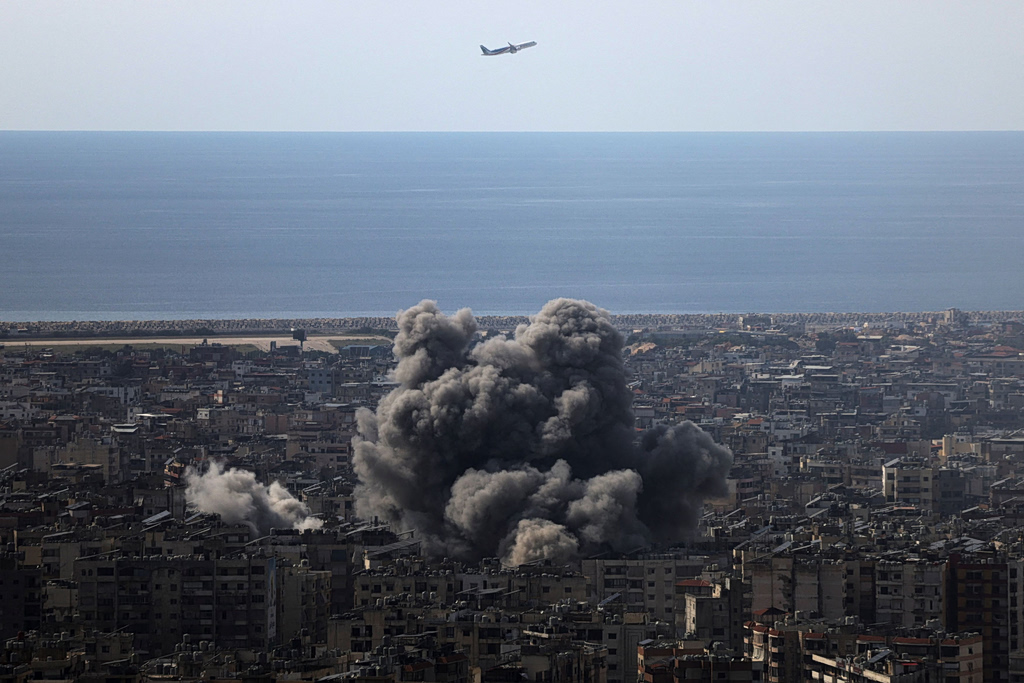
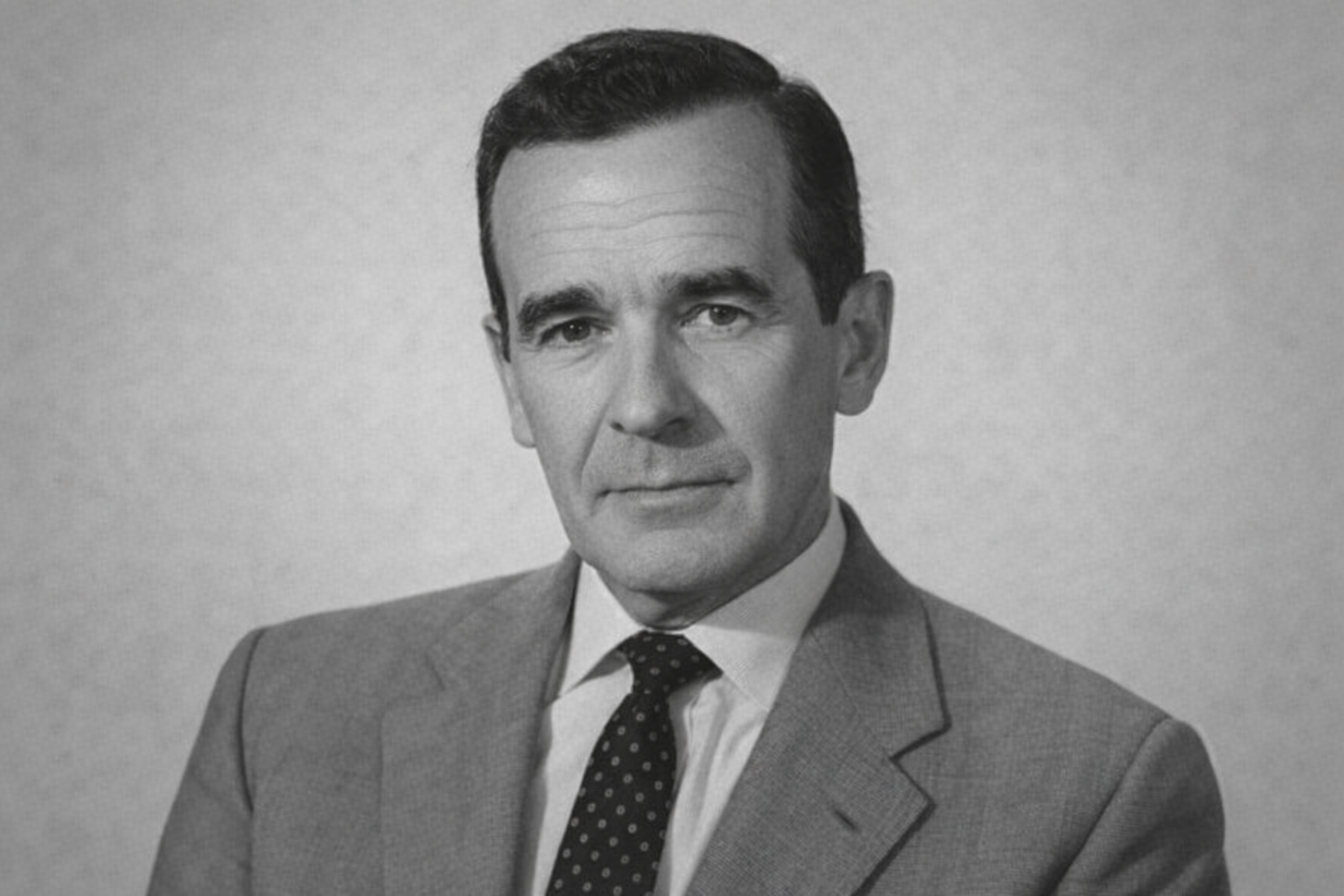
In a move that underscored the broader realignment underway in the Middle East, Lebanon formally withdrew accreditation from Iran’s ambassador to Beirut and gave him until Sunday to leave the country. The expelled diplomat, Mohammad Reza Raef Seibani, had only been appointed in February.
The Lebanese Foreign Ministry accused Iran’s Islamic Revolutionary Guard Corps (IRGC) of directing Hezbollah operations against Israel from Lebanese territory. Beirut simultaneously announced a ban on all IRGC activities within its borders. According to the Foreign Ministry spokesperson Denise Rahme, Iran’s embassy will continue to operate under a Chargé d’Affaires, but the message was unmistakable: Lebanon is seeking to distance itself from Tehran’s military apparatus on its soil.
The expulsion marks a remarkable shift for a country whose politics have been deeply entangled with Iranian influence for decades through Hezbollah. It also adds another front to the escalating pressure campaign against Iran, coming at a moment when Washington’s diplomatic posture toward Tehran remains deliberately ambiguous.