
The financial world wasted no time pricing in the possibility of peace. Brent crude, the international oil benchmark, plunged 4.7% to $83.24 per barrel. Stock markets across Asia and Europe responded with sharp gains.
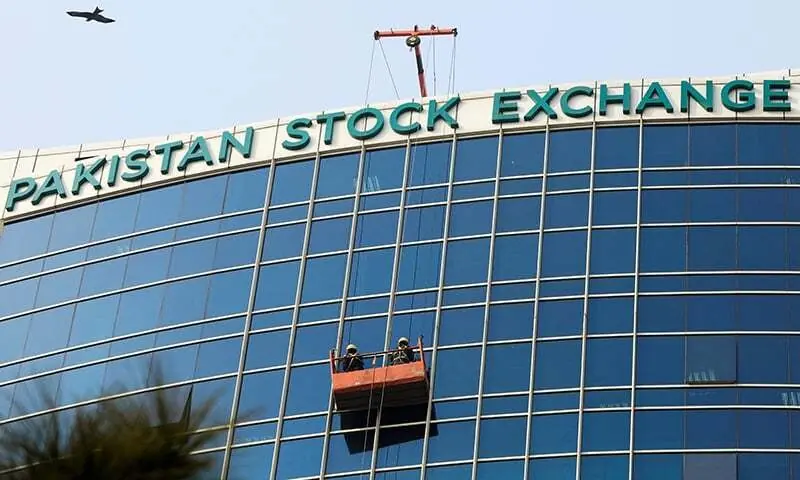
Nowhere was the reaction more dramatic than in Pakistan, where the KSE-100 index surged by over 4,000 points — a 2.69% gain in a single session — to close at 177,039.82. Yousuf M. Farooq, director of research at Chase Securities, attributed the rally to improved sentiment following the deal announcement and expectations that the Strait of Hormuz would remain open, easing inflationary pressures.
But not everyone is celebrating. Energy analysts warn that the road from a framework agreement to a lasting peace is long and fraught with risk. As one BBC report noted, experts see “challenges and instability” ahead. The deal has yet to be formally signed, and any breakdown in talks could send prices surging again.