
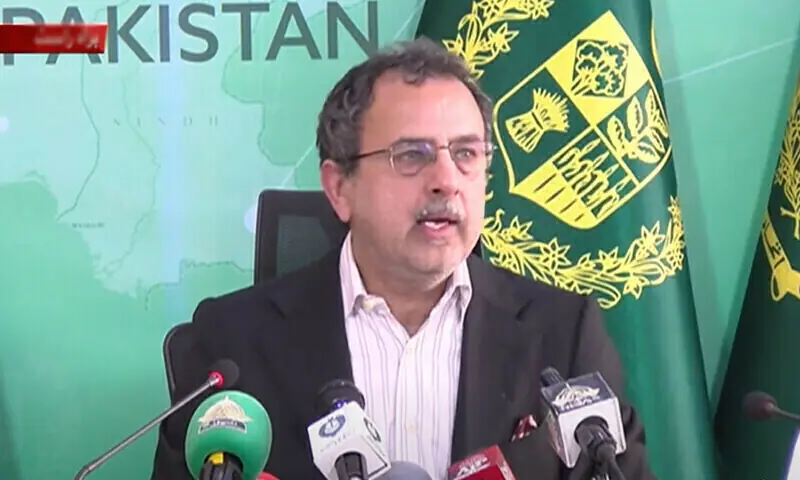
Not every country has been able to cushion the blow. In Pakistan, Power Minister Awais Leghari took the extraordinary step of publicly apologizing for crippling electricity blackouts — what the government euphemistically calls “load management” — acknowledging the situation is “not in our control” [37].
Speaking at a press conference in Islamabad on Thursday, Leghari explained that the country faces a total shortfall of 2,500 megawatts, driven in large part by the Middle East fuel supply crisis compounded by lower water availability for hydroelectric generation.
“If the public is facing any inconveniences due to us not providing electricity at night and during peak hours, I am directly answerable,” Leghari said. “We apologise too, but the circumstances are such that they are not in our control.”
The frank admission is a rare moment of governmental candor in a country where power shortages have long been a politically explosive issue. That the minister felt compelled to apologize — and to do so repeatedly — speaks volumes about the severity of the crisis on the ground.