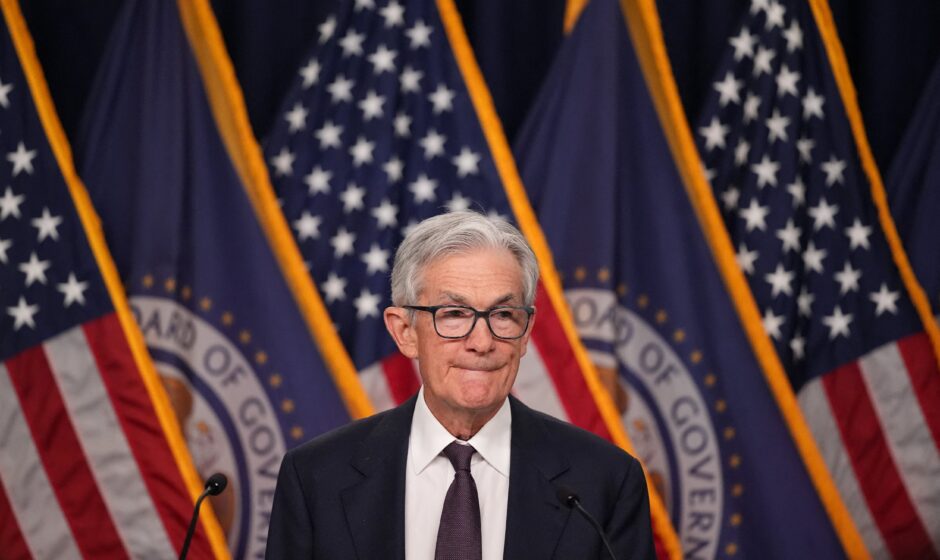
Against this volatile geopolitical canvas, Jerome Powell is set to chair his final Federal Reserve meeting on April 27–28. The two-day session of the Federal Open Market Committee is widely expected to conclude without any change to interest rates, which currently sit in a range of 3.50%–3.75%.
But the real focus will be on forward guidance. “As there is not the slightest chance the Fed will change its rates, our attention will be above all on any element concerning future monetary policy moves,” said Nancy Vanden Houten, an economist at Oxford Economics. The economic consequences of the Middle East war — particularly its impact on inflation — will loom large over the discussion.
Powell’s departure marks the end of an era at the central bank, one defined by pandemic-era stimulus, aggressive rate hikes to tame inflation, and now the uncertain economic headwinds of a new conflict.