
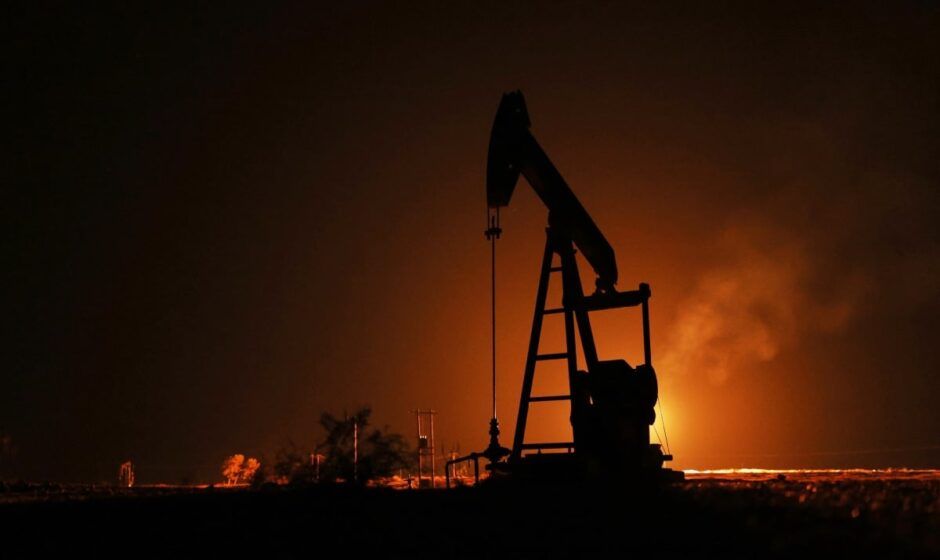
The simmering confrontation between the United States and Iran has entered a dangerous new phase. On Tuesday, Iran’s Islamic Revolutionary Guard Corps (IRGC) issued its starkest warning yet: “Regional oil and gas exports are either for everyone or for no one.” The statement accused Washington of acting like “pirates” by restricting energy flows through the Strait of Hormuz — the narrow waterway through which roughly a fifth of the world’s oil passes daily.
The IRGC also claimed to have struck US Navy infrastructure in Bahrain, home to the US Fifth Fleet, escalating a tit-for-tat that has kept energy markets on edge. The immediate consequence has been felt at the pump and on trading floors worldwide: Brent crude climbed near $86 per barrel on July 15, driven directly by the US naval blockade targeting Iranian oil exports.
Analysts writing in Brazil’s O Globo described the conflict as entering “a new phase, with a different focus but without a clear strategy,” suggesting that while Washington has shifted tactics, the endgame remains murky. The risk of a broader disruption to Gulf energy supplies — affecting not just Iranian output but exports from Saudi Arabia, Kuwait, Qatar, and the UAE — looms as the most consequential economic wildcard of the summer.