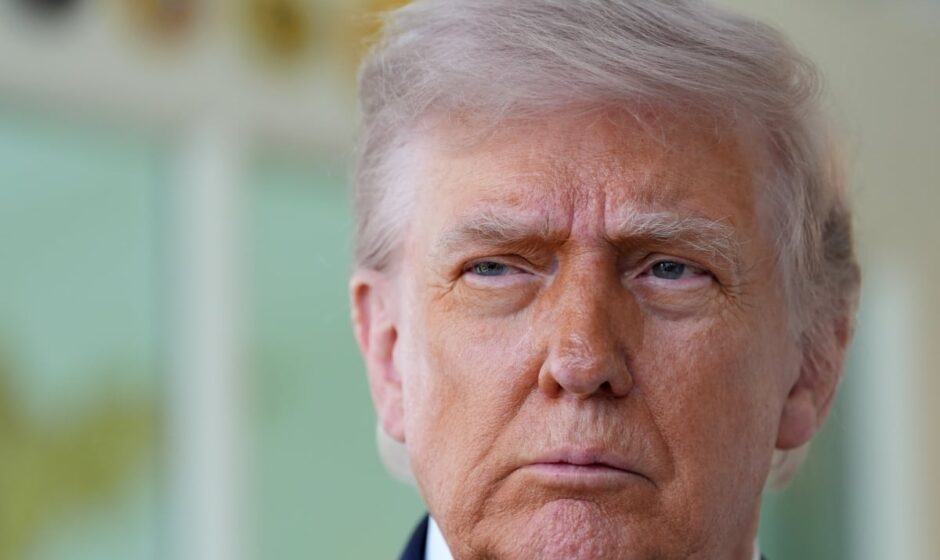
In a statement that sent ripples through global diplomatic circles, U.S. President Donald Trump claimed that Iran has agreed to a suspension of its nuclear program — and that enriched uranium would be shipped back to the United States. “We will bring the uranium back to the USA,” Trump declared.
Tehran, however, has not commented on the American president’s assertions, leaving a conspicuous silence where confirmation or denial would typically follow. The lack of corroboration from the Iranian side raises questions about the nature and scope of any agreement actually reached.
The geopolitical implications were immediately apparent. Greek Prime Minister Kyriakos Mitsotakis, meeting at Maximos Mansion with Palestinian Authority Vice President Hussein al-Sheikh, stressed the importance of keeping the Strait of Hormuz open “without tolls or other obstacles” — a clear signal of concern over the energy and trade consequences of any escalation or realignment in the Gulf. The Strait of Hormuz remains one of the world’s most critical oil chokepoints, and any disruption there would have cascading effects on global energy markets.