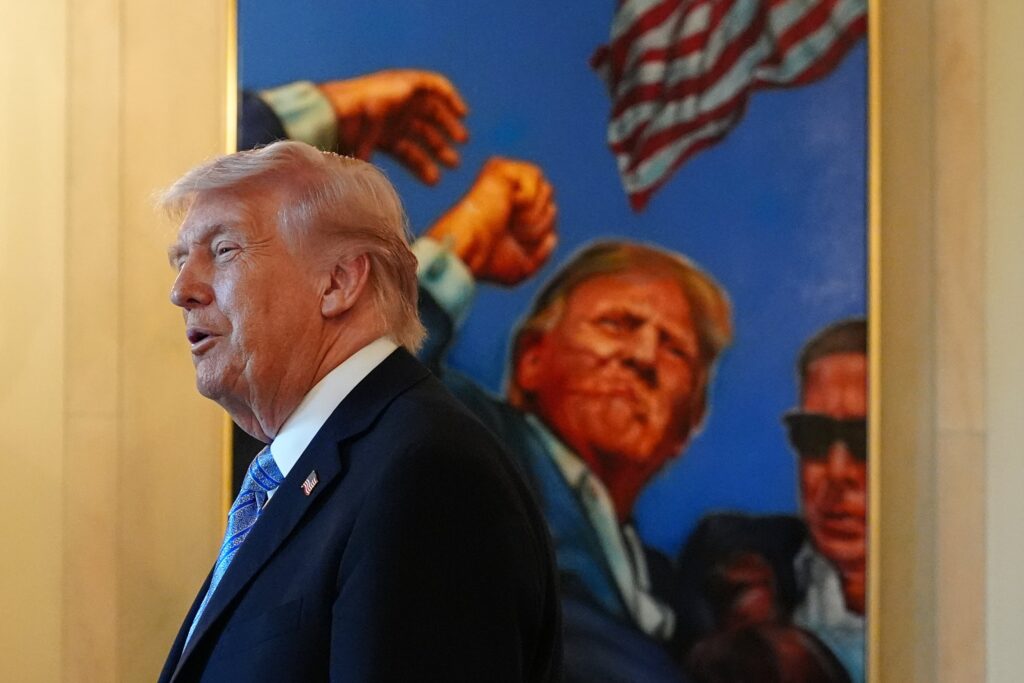
The US-led military campaign against Iran continues to dominate global headlines. On Monday, President Donald Trump offered a casually optimistic timeline for the conflict, estimating it would last “two weeks, maybe three.” The remark, made at the White House, did little to calm nerves in capitals already bracing for the economic fallout.
Across the Atlantic, EU Energy Commissioner Dan Jørgensen struck a far grimmer tone. Speaking to Der Spiegel, Jørgensen warned that the world stands on the brink of the “worst energy crisis of all time.” The European Commission is already preparing for potential supply disruptions, particularly in jet fuel, as the conflict threatens critical shipping lanes and oil infrastructure in the Gulf region.
Meanwhile, Greek analysts offered a blunt assessment of the US-led naval operation in the region’s strategic straits: “Operation Freedom,” as it has been dubbed, “will not dramatically change the situation,” experts told Ethnos, describing it as “a drop in the ocean.” The operation has already been widely judged a failure in its stated aim of securing control of vital chokepoints, raising the spectre of a prolonged confrontation with cascading consequences for global trade and energy markets.
The convergence of these reports paints a troubling picture: a war whose duration and scope are being minimized by Washington, even as European policymakers scramble to prepare for a worst-case economic scenario.