
Diplomatic negotiations between the United States and Iran commenced on Sunday in Burgenstock, Switzerland, with Qatar and Pakistan serving as mediators. The so-called “technical-level” talks aim to hammer out the details of a Memorandum of Understanding previously signed by Tehran and Washington to cease hostilities and establish a framework for ending the broader conflict.
The stakes are enormous. On the table are the lifting of the US blockade on Iran, the reopening of the Strait of Hormuz — one of the world’s most critical oil chokepoints — the unfreezing of Iranian assets, and permits for the sale of Iranian oil.
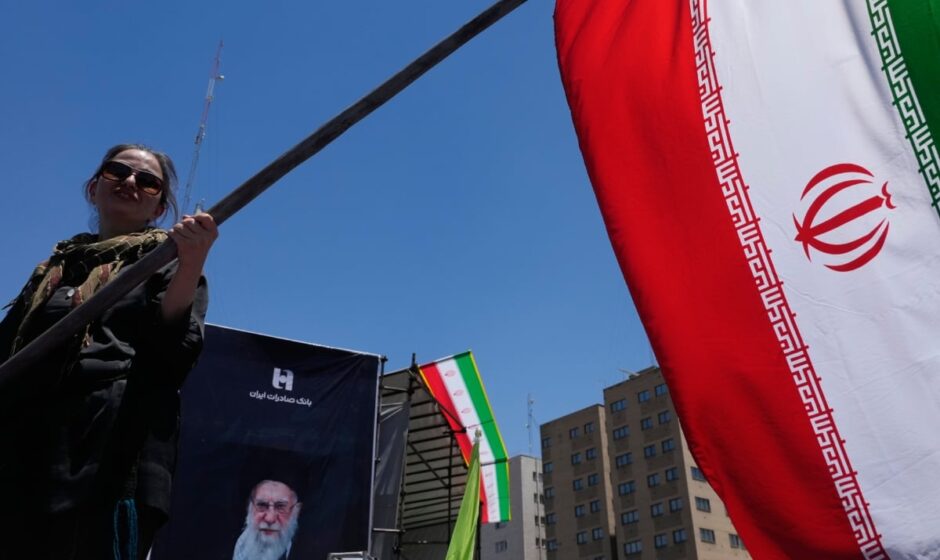
But Iran has drawn a hard line. The Iranian news agency Tasnim, citing a source within Iran’s negotiating delegation, reported that the Strait of Hormuz “will not reopen” as long as the ceasefire in Lebanon is not respected and licenses for selling Iranian oil are not issued. Iran’s foreign ministry spokesperson reinforced the message: no deal with the United States is possible without peace in Lebanon.
The Qatari Foreign Ministry formally announced what it called the “Lucerne Lake Summit,” with the heads of each delegation expected to address the meeting. The inclusion of Pakistan as a mediator alongside Qatar marks a broadening of the diplomatic architecture around these fraught negotiations.