

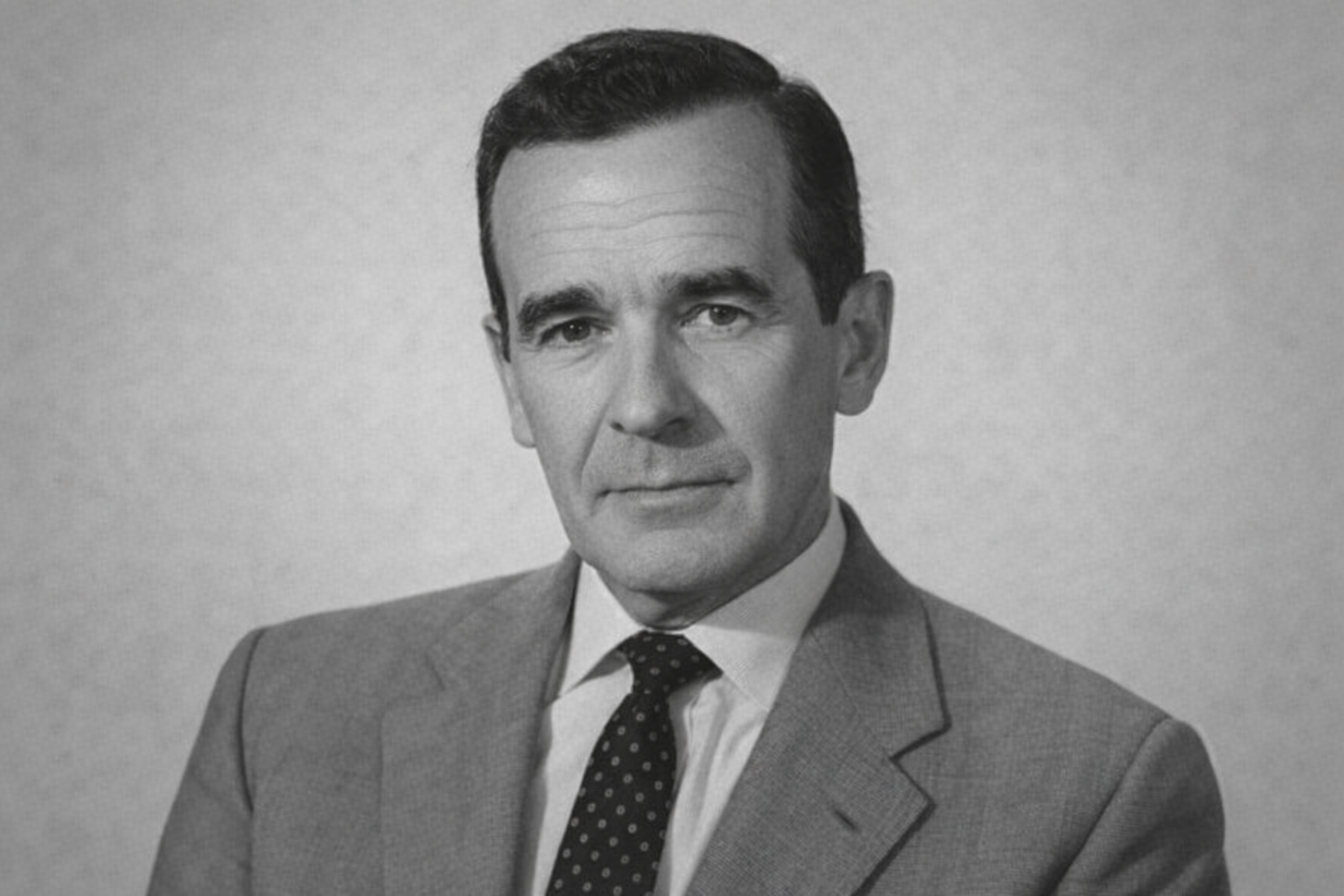
As the deadline loomed, several Western hostages were released in what appeared to be gestures of goodwill from Iran and its regional proxies. The most prominent case was that of American journalist Shelly Kittleson, who had been abducted in Iraq on March 31 by the powerful Iran-backed militia Kataib Hezbollah.
The New York Times and The Hindu both confirmed Kittleson’s release, with Iraqi officials announcing her freedom. Kataib Hezbollah issued a statement saying it had “decided to free” the journalist — language suggesting the release was a calculated diplomatic signal rather than a spontaneous act of mercy.
The Age reported that several other Western detainees held by Iran and its proxies were also released. These moves appeared designed to create diplomatic breathing room, though whether they would be sufficient to avert the threatened strike remained an open question.

