
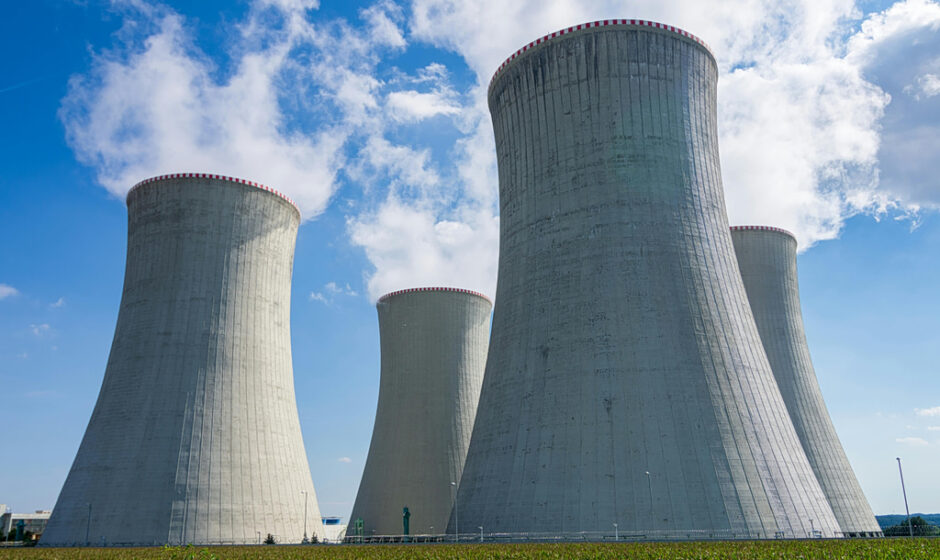
Perhaps the most chilling signal of the crisis’s severity came from the southern Iranian port city of Bushehr, home to Iran’s only operational nuclear power plant. Greek outlet Tanea reported that Iranian health authorities distributed 180,000 iodine pills to local residents — a standard precaution against radioactive exposure — following Trump’s threat to “hammer” Iran in the early hours of Wednesday.
A local official from Bushehr University of Medical Sciences confirmed that the distribution was carried out under directives from the national crisis management headquarters. Iodine pills, which protect the thyroid gland from absorbing radioactive iodine in the event of a nuclear incident, are a telling measure of just how seriously Iranian authorities are taking the threat.
In Washington, the nuclear question moved from subtext to open debate. As reported by O Globo, Democratic lawmakers pointed to statements by both Trump and Vice President JD Vance as indications that the use of nuclear weapons against Iran was under active discussion. The White House denied the claims, but the mere fact that the question was being asked in Congress spoke to the gravity of the moment.
El País laid out the key questions consuming analysts: What targets could the United States strike in Iran? And does the risk of nuclear weapon use genuinely exist? The answers, experts suggested, were deeply uncertain — a terrifying state of affairs given the scale of potential consequences.

