

Two of India’s most politically consequential states are experiencing seismic shifts. In Tamil Nadu, inconclusive assembly elections have produced an unprecedented hung legislature, with actor-turned-politician Vijay’s Tamilaga Vetri Kazhagam (TVK) party reportedly close to the majority mark but not yet over the line. Government formation has been delayed as coalition discussions continue. The Communist Party of India (CPI) has written to the Tamil Nadu Governor affirming its support for a “stable secular government,” a signal that horse-trading among potential allies is well under way.
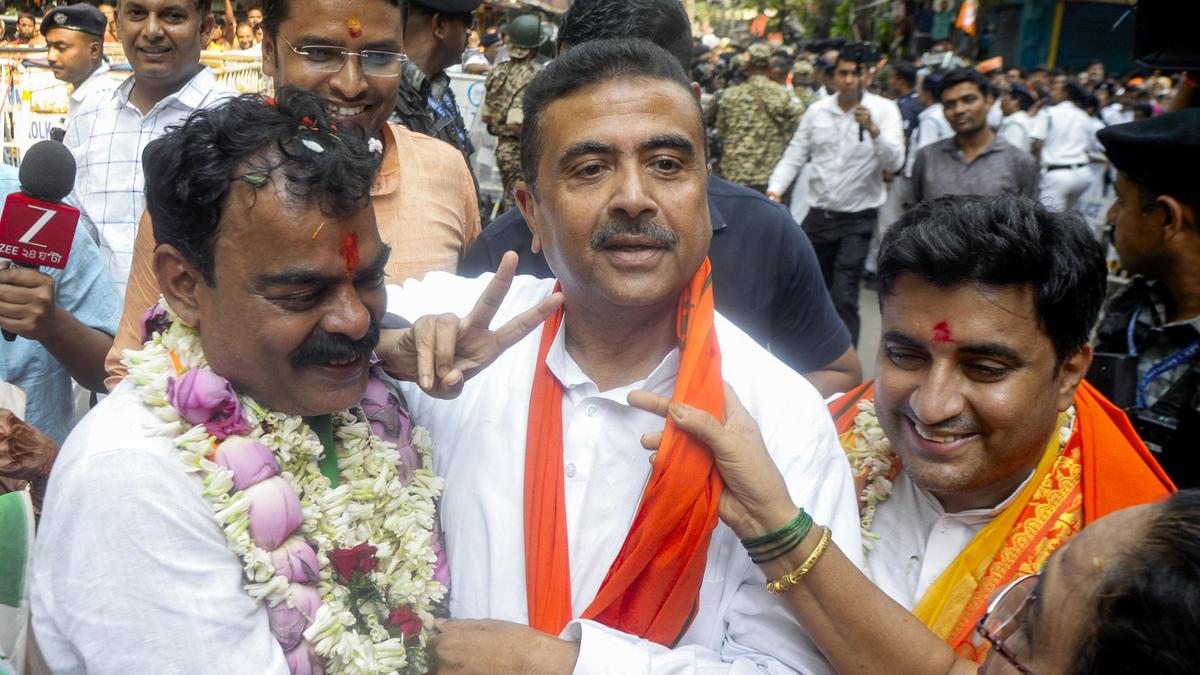
Meanwhile, in West Bengal, the BJP has moved swiftly. Suvendu Adhikari was elected the party’s legislature leader and is set to become the state’s next Chief Minister. Union Home Minister Amit Shah declared that West Bengal had “suffered a nightmare” for five decades under Trinamool Congress rule, citing poor law-and-order conditions and stalled economic development. The transition marks a dramatic power shift in a state long defined by bitter rivalry between the BJP and Mamata Banerjee’s Trinamool.
These developments together reshape the political map of southern and eastern India and will be closely watched for their implications at the national level.