
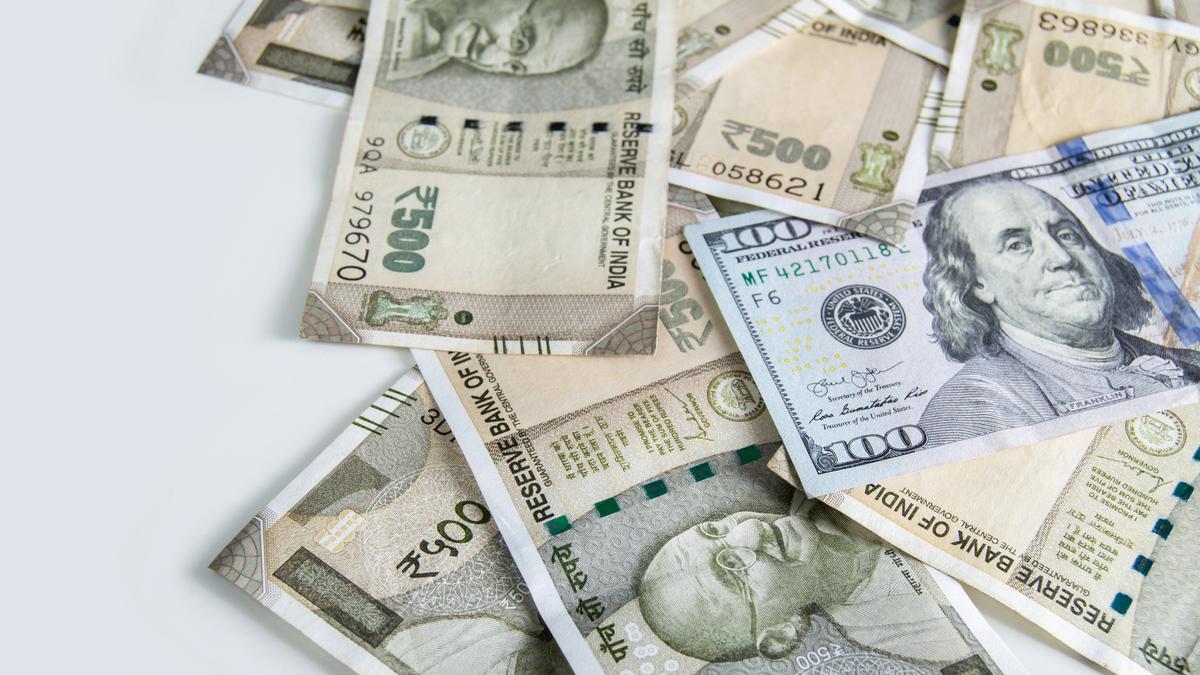
Against this turbulent backdrop, the Indian rupee closed at a record low of 94.05 against the U.S. dollar on Tuesday. The currency’s slide reflects a cocktail of pressures: elevated global oil prices driven by the Middle East war, capital outflows, and broader uncertainty in emerging markets.
Paradoxically, Indian stock markets surged on the same day — the Sensex jumped 1,205 points (1.63%) to 75,273, while Nifty rose 394 points (1.72%) to 23,306 — suggesting investors are betting on domestic resilience even as the rupee weakens. But for ordinary Indians, a falling rupee means costlier imports, from crude oil to electronics, feeding into inflation that squeezes household budgets.
