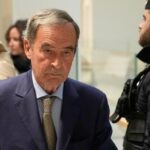

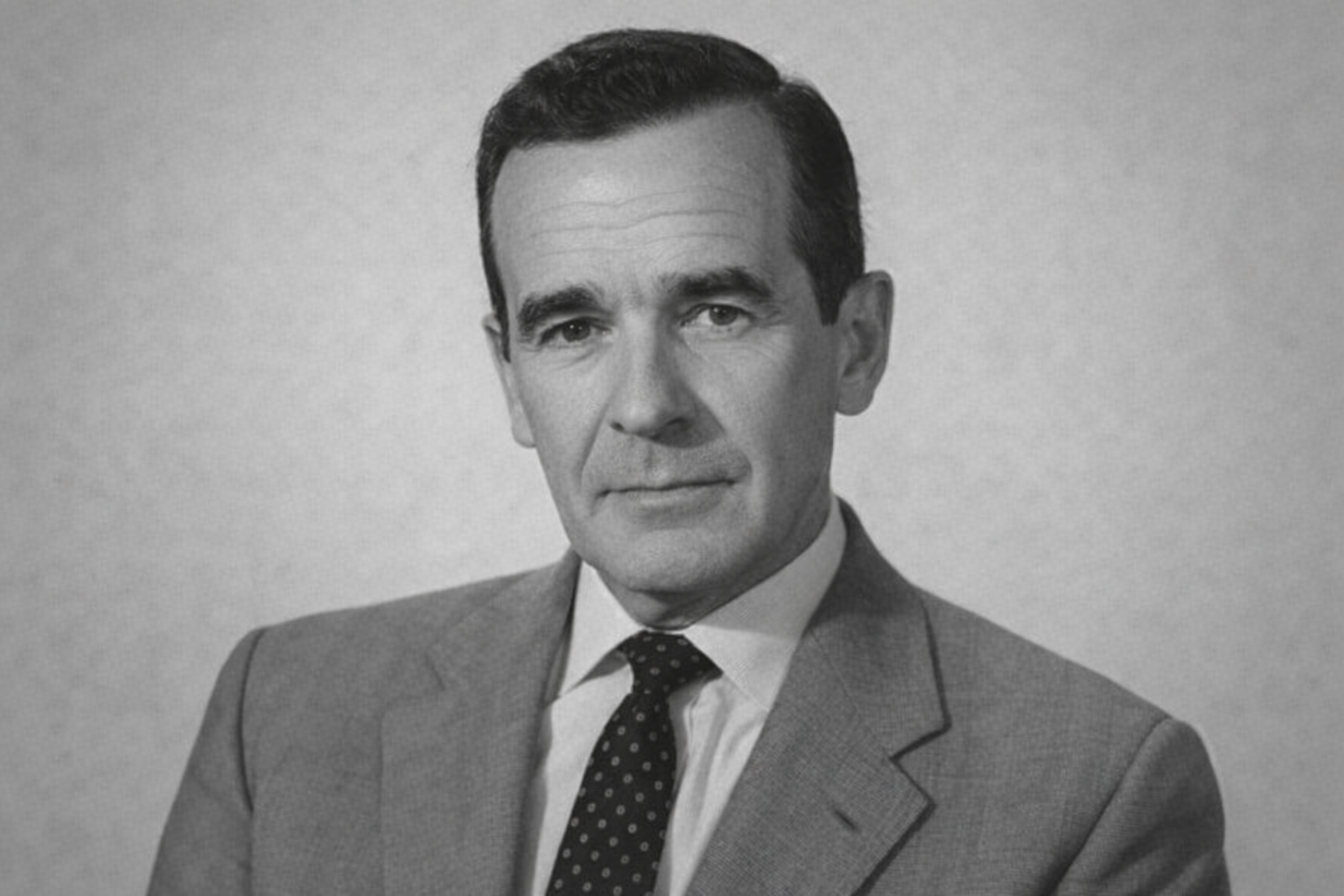
The temperature between Washington and Tehran continued to climb as Iran’s Parliament Speaker Mohammad Bagher Ghalibaf issued a pointed warning on social media. “Enjoy the current pump prices,” he wrote on X. “With the so-called ‘blockade,’ soon you’ll be nostalgic for $4–$5 gas.”
The comments came as the American president moved forward with plans for a naval blockade of the Strait of Hormuz — the narrow waterway through which roughly a fifth of the world’s oil supply passes daily — aimed at choking off Iran’s petroleum revenues.
Israeli Prime Minister Benjamin Netanyahu publicly backed the US blockade plan. Meanwhile, Iran’s National Security Committee spokesman Ibrahim Rezaei called the threat “arrogant rhetoric” and warned that Tehran would consider a blockade “an act of war” and respond accordingly. He stressed that Iran possesses the capabilities to counter any attempt to block its ports, and that the only path to de-escalation is for “the US to respect Iranians.”
The standoff has injected fresh volatility into global energy markets and raised the specter of a major confrontation in one of the world’s most strategically vital chokepoints.