
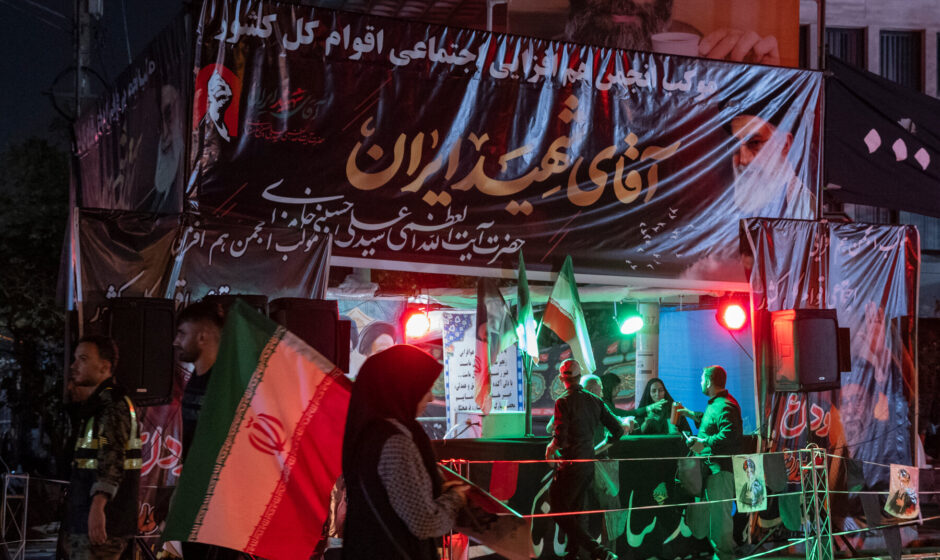
Across the Iranian capital, portraits of Ayatollah Ali Khamenei — many depicting him as a younger man — have blanketed streets, buildings, and public squares. The New York Times reported from central Tehran on the transformation of a city exhausted by war, now turning its collective grief toward the funeral of its slain supreme leader.
The report paints a picture of a nation at a crossroads, battered by conflict with Iran and grappling with the uncertainty of what comes next. The funeral preparations are reshaping the physical landscape of Tehran, even as the emotional and political landscape remains deeply uncertain.